
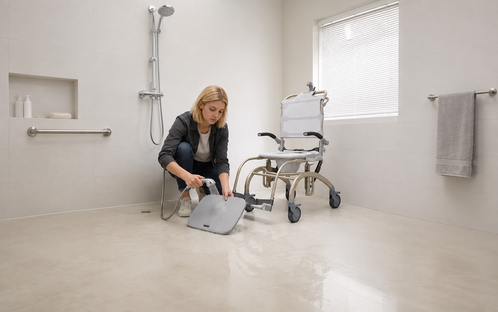
The bathroom is one of the most challenging areas in a home for many older adults because it combines water, slippery surfaces, standing, turning, and transfers in a small space. Improving bathroom safety for elderly adults is not only about preventing slips, but also about making daily activities like showering and using the toilet easier and more stable.
Why Is Bathroom Safety Important for Elderly Adults?
Bathrooms create several situations where balance, strength, and coordination are tested at the same time. A person may need to stand on a wet surface, step over a threshold, turn while reaching for items, or lower and raise their body during toilet transfers.
Common reasons bathrooms become higher risk areas include:
- Wet floors increase slipping risks, especially with soap or shampoo residue.
- Showering requires standing, turning, and adjusting body position in a limited space.
- Sitting down and standing up from the toilet can become harder with reduced leg strength.
- Changes in balance, flexibility, and reaction speed can make small mistakes harder to recover from.
- A bathroom fall may leave someone unable to reach help or safely get back up.
Understanding how to prevent falls in the elderly can help families create safer home environments before accidents happen. A safer bathroom does not mean removing all independence. The goal is to reduce unnecessary physical strain while helping older adults complete daily routines with more confidence.
What Are the Most Common Bathroom Risks for Seniors?
Understanding where problems usually happen makes it easier to choose the right improvements. The highest risks are often related to movement transitions rather than simply walking across the room.
Slippery Shower Floors and Wet Surfaces
Water and soap can make shower floors difficult to control, especially for someone with reduced balance or slower reactions.
Common problems include:
- Losing footing while turning or reaching
- Standing for too long during a shower
- Difficulty maintaining balance on wet surfaces
- Slippery floors after bathing
Non-slip shower surfaces, regular cleaning, and reducing unnecessary movement inside the shower can lower these risks.
Difficulty Getting In and Out of the Shower
Stepping into a bathtub or shower often requires lifting one foot, shifting body weight, and maintaining balance at the same time.
Risks increase when there are:
- High bathtub walls
- Narrow shower entrances
- Limited support while stepping in or out
- Difficulty turning in a small shower area
A safer setup should make entering, exiting, and repositioning easier rather than requiring large balance adjustments. For seniors who have difficulty lowering into or rising from a bathtub, a bath lift chair can provide additional support by helping reduce the effort needed during bathing transfers.

Trouble Sitting Down and Standing Up From the Toilet
Toilet transfers are one of the most common challenging movements because they require controlled lowering and pushing back up.
Potential difficulties include:
- Low toilet height
- Weak leg muscles
- Lack of nearby support
- Difficulty balancing while turning
Adding support near the toilet can reduce the effort needed during these repeated daily movements.
Poor Lighting and Cluttered Spaces
A bathroom that feels safe during the day may become risky at night.
Common hazards include:
- Poor visibility during nighttime bathroom trips
- Loose rugs or mats
- Cords or unnecessary items on the floor
- Frequently used items stored too far away
Clear walking paths and better lighting help reduce avoidable obstacles.
How Can You Make a Bathroom Safer for Elderly Adults?
The most effective bathroom changes focus on the activities that create the most instability: showering, sitting, standing, and moving through small spaces. The right combination depends on the person's mobility level and the bathroom layout.
Improve Shower Safety
A safer shower setup reduces the amount of time an older adult needs to stand and lowers the risk of losing balance while moving.
Helpful changes include:
- Shower chair or shower bench for seated bathing
- Handheld shower head for easier washing while seated
- Non-slip shower surfaces
- Easier shower entry without unnecessary obstacles
For older adults who become tired while standing, have reduced balance, or need caregiver assistance during bathing, a rolling shower chair can make the process easier to manage. The VOCIC Reclining Shower Chair with Wheels provides a seated bathing option with mobility support, allowing caregivers to assist with positioning and transfers more easily while reducing the need for prolonged standing.
A shower chair is not only for people who cannot stand. It can also help users who can walk but become unstable or fatigued during longer showers.
Make Toilet Transfers Easier
Many bathroom falls happen during sitting down, standing up, or turning around near the toilet.
Possible improvements include:
- Raised toilet seats to reduce the distance needed to lower and stand
- Toilet safety frames for additional support
- Grab bars positioned beside the toilet
The goal is to create stable hand support where the person naturally reaches during transfers.
Add Support Along Common Movement Paths
Adding more grab bars is not always the solution. Placement matters more than the number of supports.
Useful locations often include:
- Inside the shower area
- Near the bathtub entrance
- Beside the toilet
- Areas where the person needs to turn, stand, or change direction
Support should be positioned where the user actually needs help during movement.
Improve Lighting and Remove Hazards
Simple environmental changes can significantly improve daily safety.
Consider:
- Adding night lights between the bedroom and bathroom
- Keeping floors dry after bathing
- Removing loose mats and unnecessary objects
- Storing daily items within easy reach
- Maintaining enough open space for walking or mobility aids
A safer bathroom should make normal routines easier, not require constant caution.
How Can Caregivers Support Bathroom Safety for Elderly Adults?
Safety improvements are most effective when they support independence rather than replacing it. Many older adults want to continue managing their own routines whenever possible.
Encourage Independence With the Right Support
The purpose of bathroom safety equipment is not to prevent all movement. It is to reduce unnecessary risk while allowing the person to participate as independently as possible.
For example, a shower chair may allow someone to continue bathing with less fatigue, while grab bars may help them complete toilet transfers without assistance.
The right support helps older adults do more safely rather than simply doing everything for them.
Monitor Changes in Mobility and Balance
Bathroom needs can change as mobility changes.
Pay attention to:
- More frequent falls or near-falls
- Increased difficulty standing
- Longer recovery after bathing
- Greater need for caregiver assistance
- Avoiding showers because they feel unsafe
A bathroom setup that worked previously may need adjustment after changes in strength, balance, or health.
Prepare for Bathroom Emergencies
Bathrooms are private spaces, so emergencies can become more difficult if help is unavailable.
Helpful precautions include:
- Keeping a phone or emergency alert device nearby
- Making sure family members know when assistance may be needed
- Avoiding locked doors when someone has a high fall risk
- Having a plan for what to do after a fall
Preparation is especially important for older adults who live alone.

What Should You Consider Before Choosing Bathroom Safety Equipment?
The right bathroom safety equipment depends on the person's abilities, the bathroom layout, and who will provide assistance. A device that works well for one person may not be suitable for another.
User Mobility Level
Consider:
- Can the person stand independently?
- Do they need support only while bathing?
- Do they need caregiver assistance?
- Would seated bathing be safer?
Someone who walks independently but tires easily may need different equipment from someone who requires full assistance.
Bathroom Space and Layout
Measure the bathroom before buying equipment.
Check:
- Shower size
- Door width
- Turning space
- Toilet position
- Storage areas
A product may be useful in theory but difficult to use if it blocks movement or does not fit the available space.
Safety Features and Stability
Important features may include:
- Weight capacity
- Locking wheels
- Adjustable height
- Armrests and back support
- Non-slip materials
For rolling equipment, wheel locks are especially important because the device must stay stable during transfers.
Caregiver Assistance Needs
If a caregiver helps with bathing or transfers, consider whether the equipment reduces physical strain.
Ask:
- Is it easy to position?
- Does it reduce bending or lifting?
- Can one person operate it safely?
- Is it easy to clean and store?
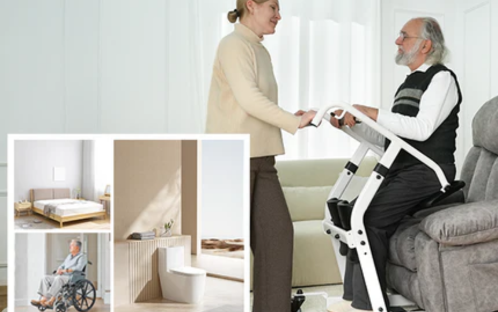
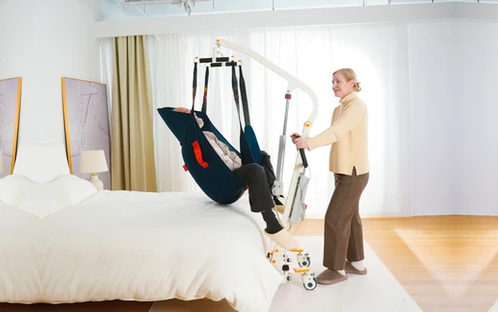
Rolling shower chairs, reclining shower chairs, and transfer equipment may be useful when more hands-on assistance is required. For broader senior home care solutions, families can also consider equipment that supports safer daily routines beyond the bathroom.
Conclusion
Bathroom safety for elderly adults is about making everyday routines safer and easier, not simply adding more equipment. The most effective changes address the activities that create the most difficulty, including showering, toilet transfers, standing, and moving through limited spaces.
By improving shower safety, adding well-placed support, removing hazards, and choosing equipment that matches the person's mobility level, older adults can maintain more independence while reducing fall risks.
FAQ
What Is the Most Important Bathroom Safety Item for Seniors?
There is no single item that works for every older adult. The best choice depends on the biggest risk, such as shower instability, toilet transfers, poor lighting, or difficulty standing for long periods. A shower chair, grab bars, raised toilet seat, or improved lighting may each be the most useful solution in different situations.
Should Elderly People Use a Shower Chair?
A shower chair can help older adults who become tired while standing, have balance concerns, need rest breaks, or require caregiver assistance during bathing. It can also make showering safer by reducing the need to stand on wet surfaces for long periods.
Where Should Grab Bars Be Installed in a Bathroom?
Common locations include inside the shower, near the bathtub entrance, beside the toilet, and anywhere the person needs support while turning or standing. Placement should follow the user's actual movement patterns rather than adding bars randomly.
How Can I Help an Elderly Person Who Is Afraid of Falling in the Bathroom?
Start by understanding what feels unsafe instead of forcing more assistance. Let the person participate in choosing equipment, practice using it gradually, and avoid rushing movements. Confidence often improves when the environment feels predictable and supportive.
What Bathroom Changes Help Seniors Stay Independent?
Helpful changes include secure shower seating, properly placed grab bars, easy-to-reach storage, better lighting, and layouts that reduce unnecessary steps. The goal is to remove barriers while allowing older adults to continue completing daily activities safely.
Share:
How to Lift a Heavy Person Off the Floor Alone: Safer Methods and Equipment
How to Fold a Wheelchair Safely: Manual and Electric Wheelchair Guide