

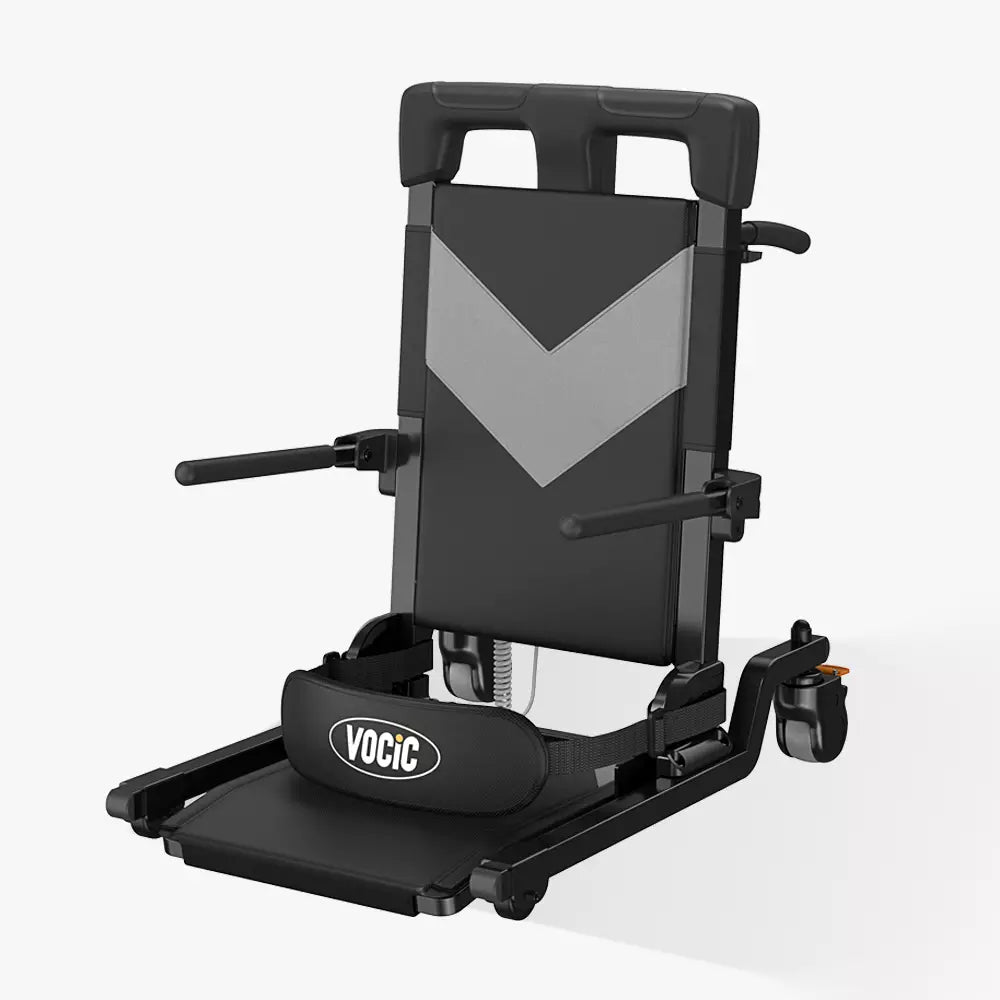
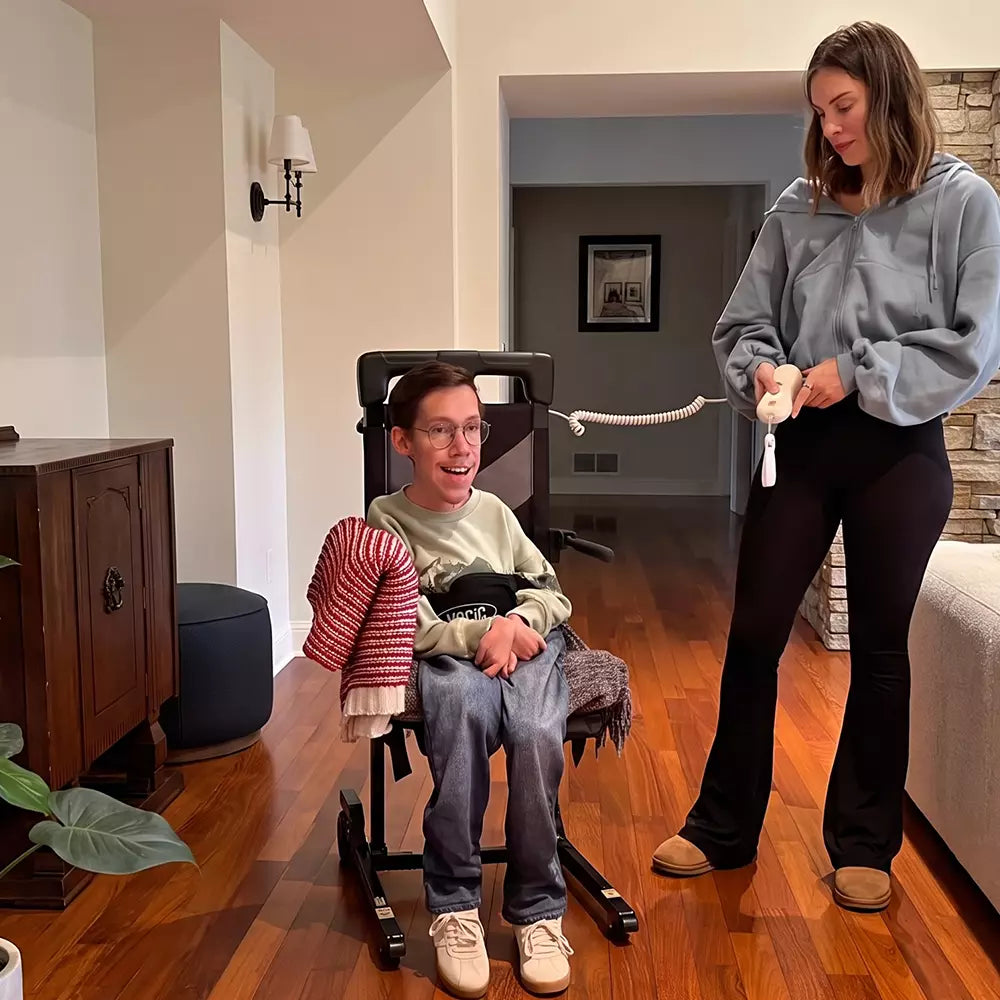

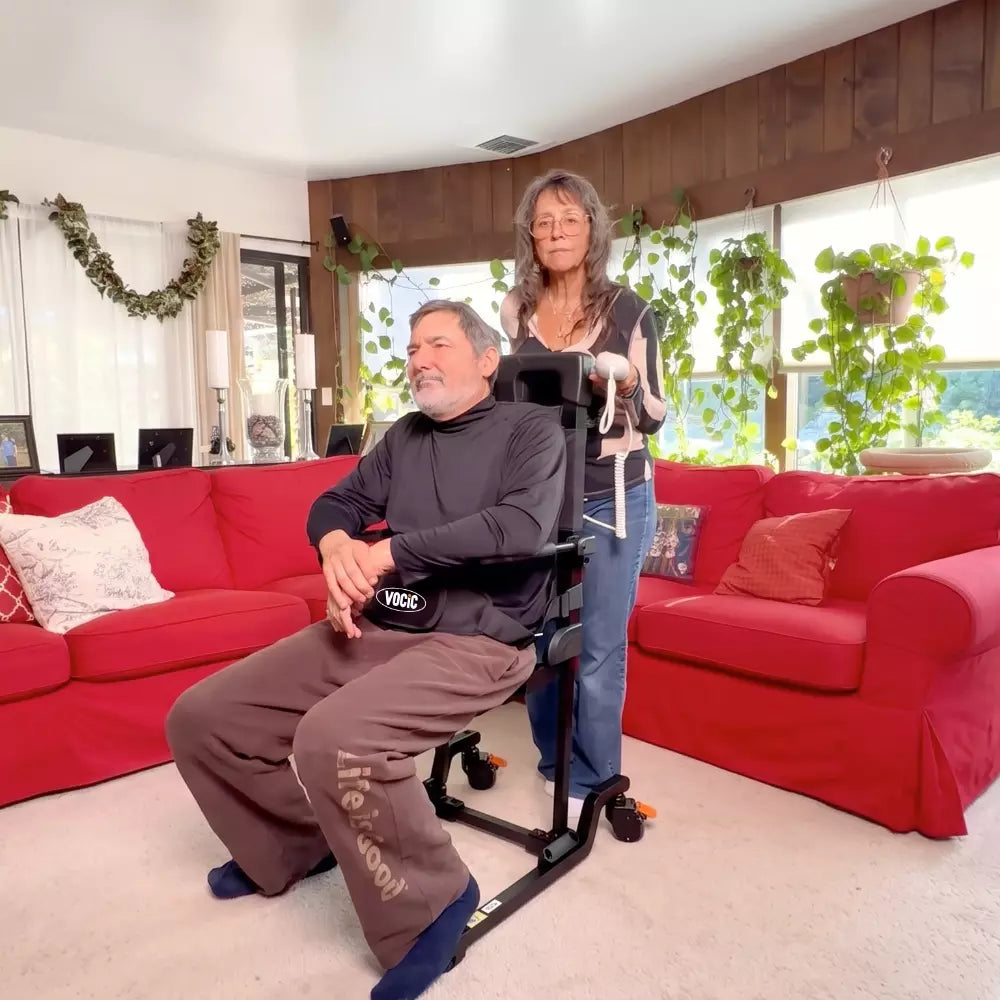
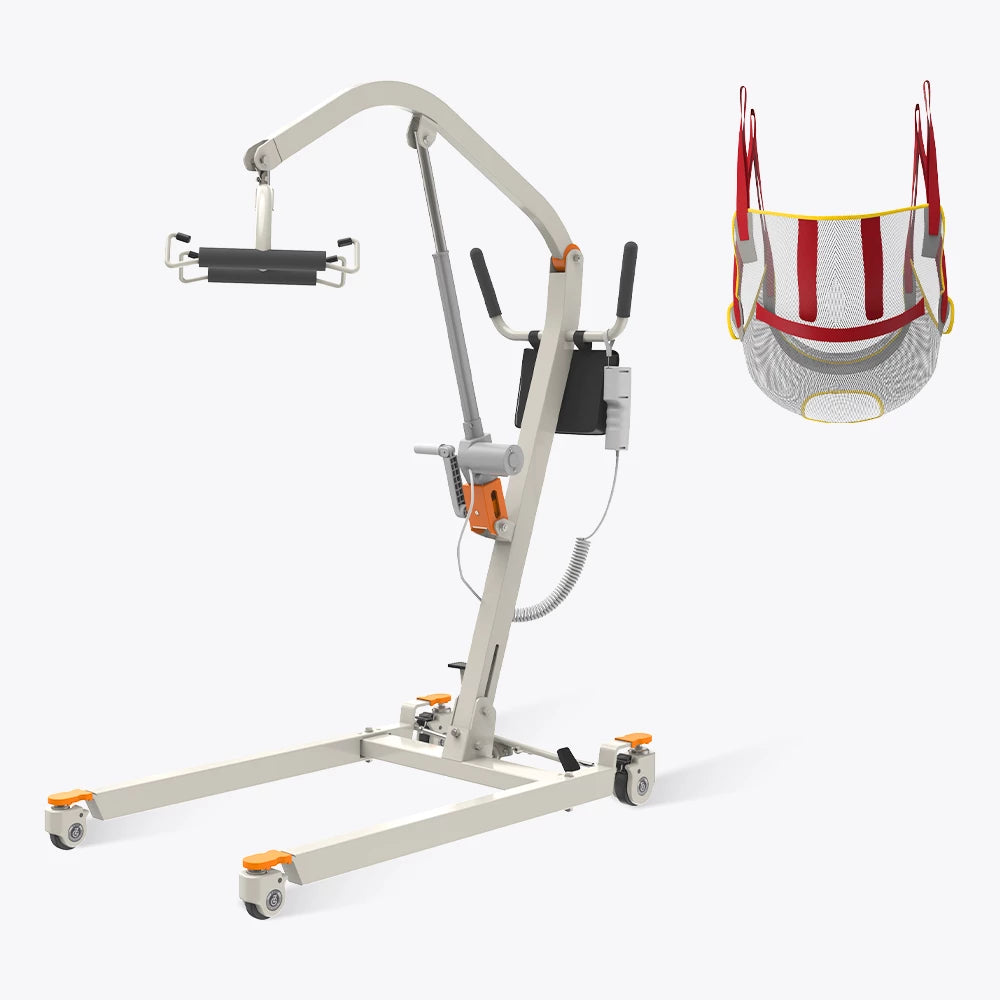
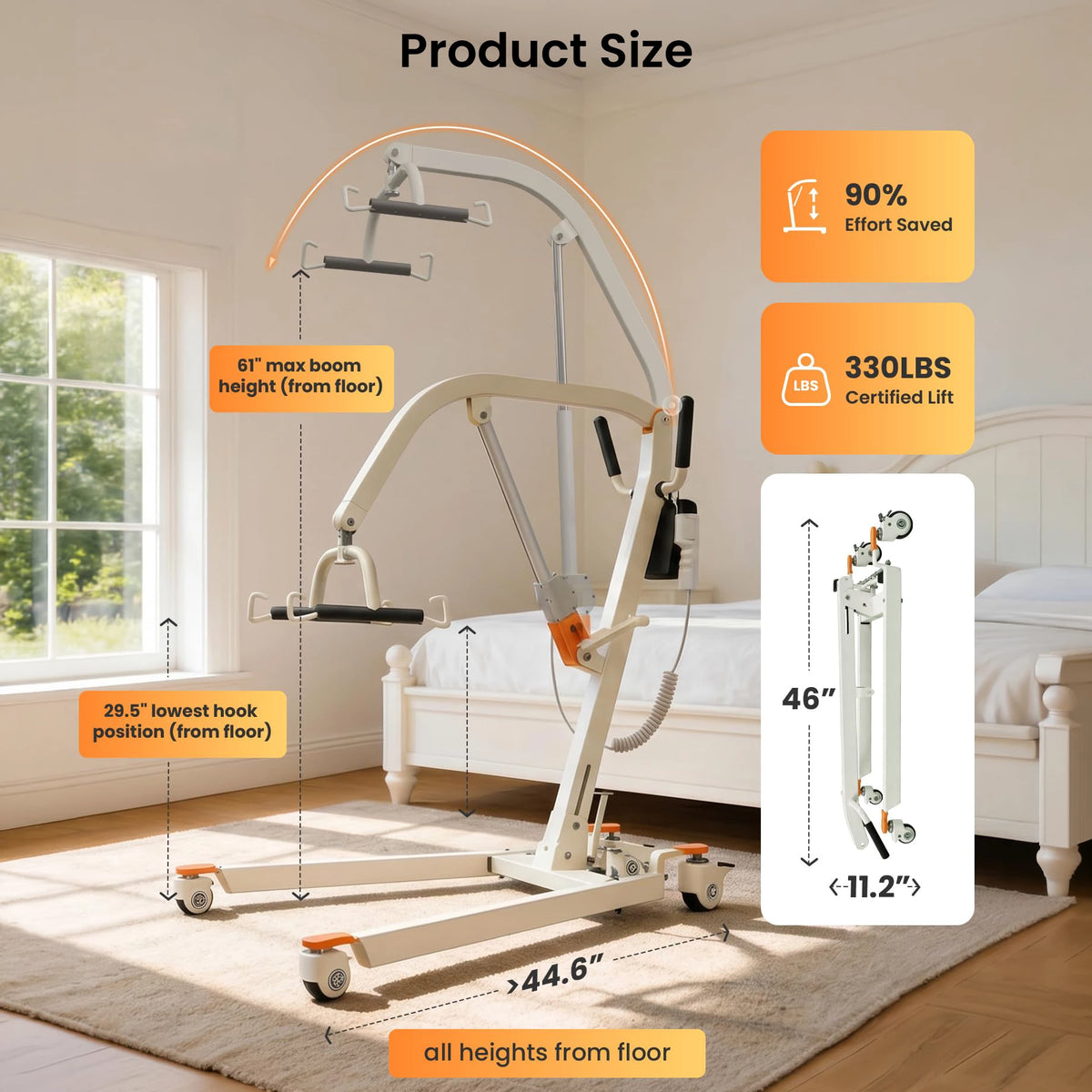
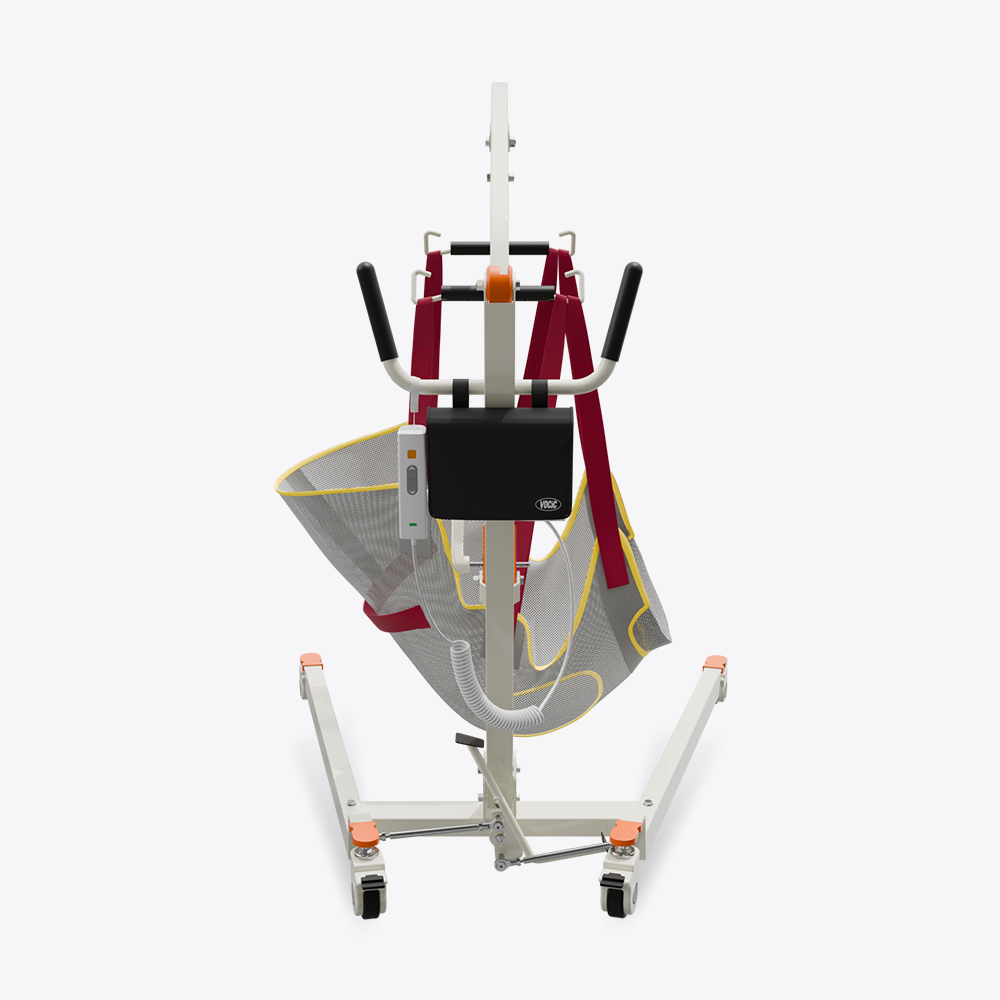
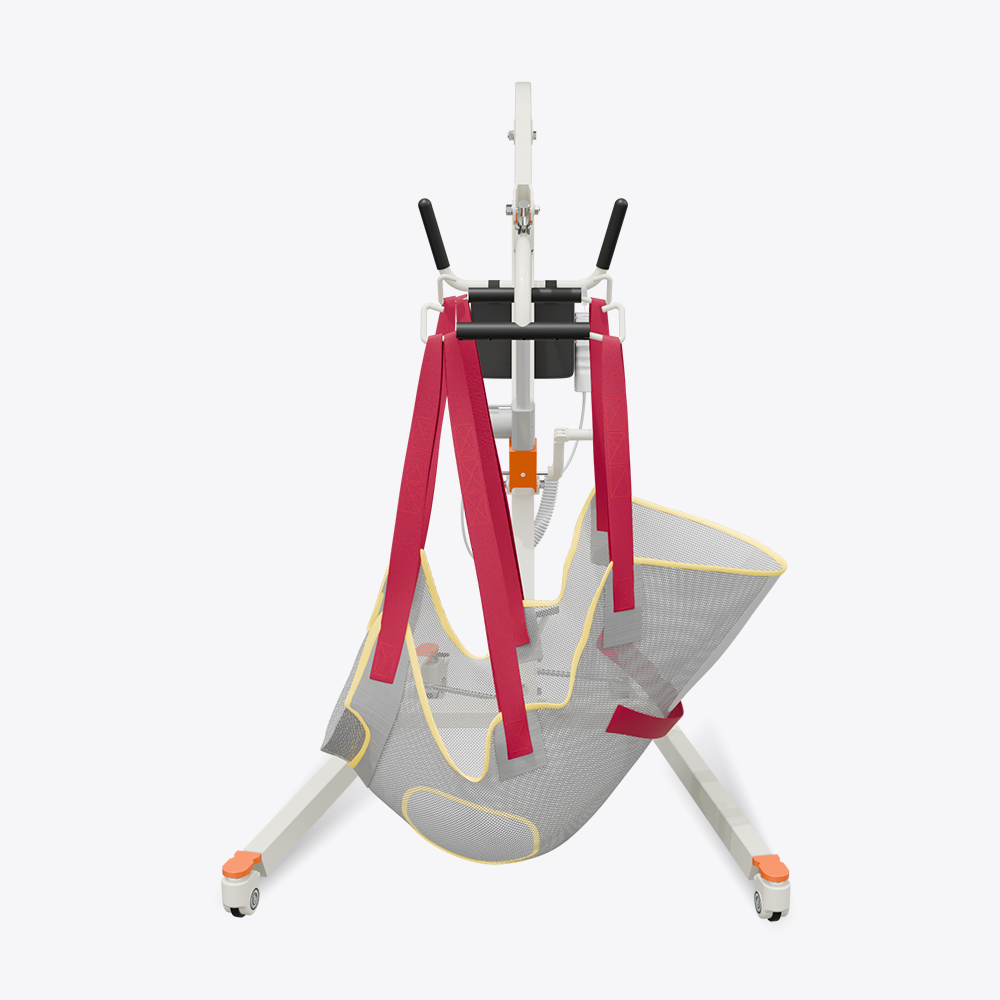
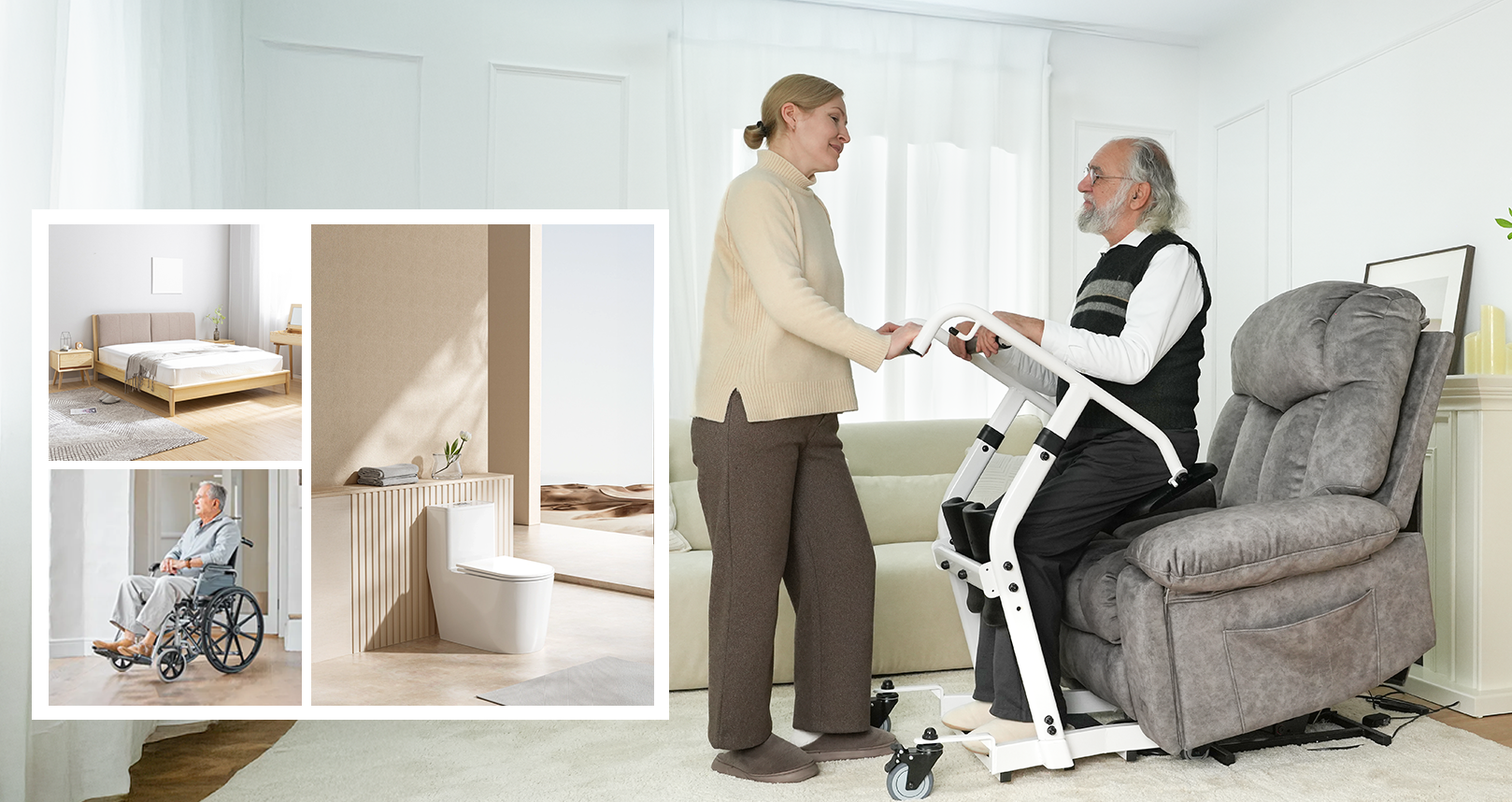
VOCIC AX35 Electric Transfer Chair Lift with 4 Wheels







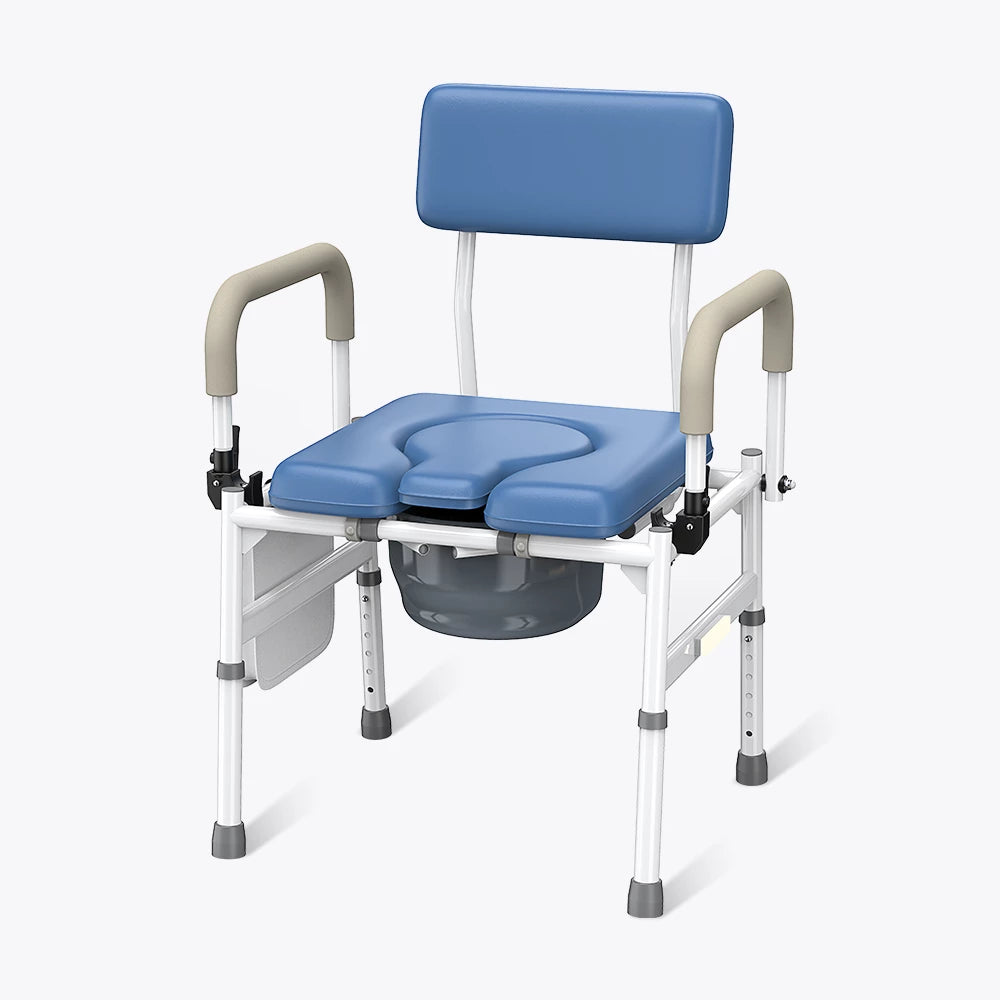
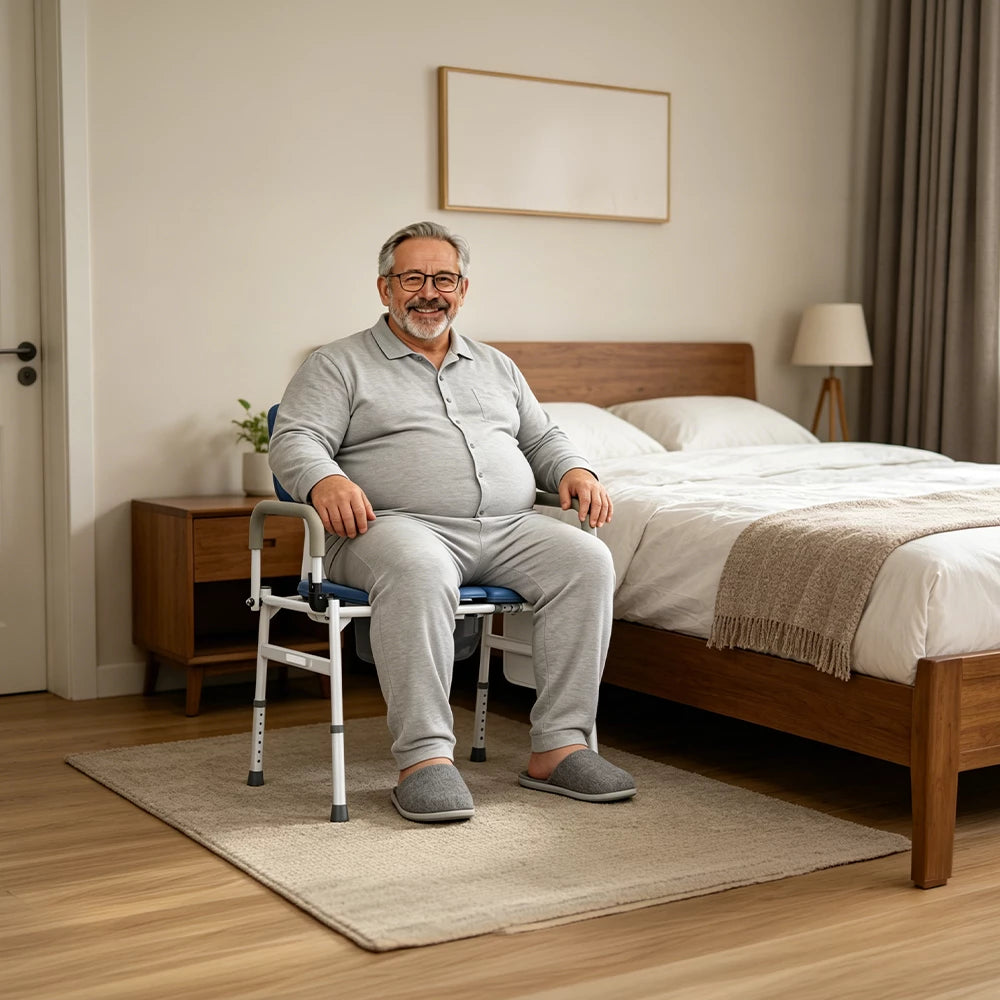
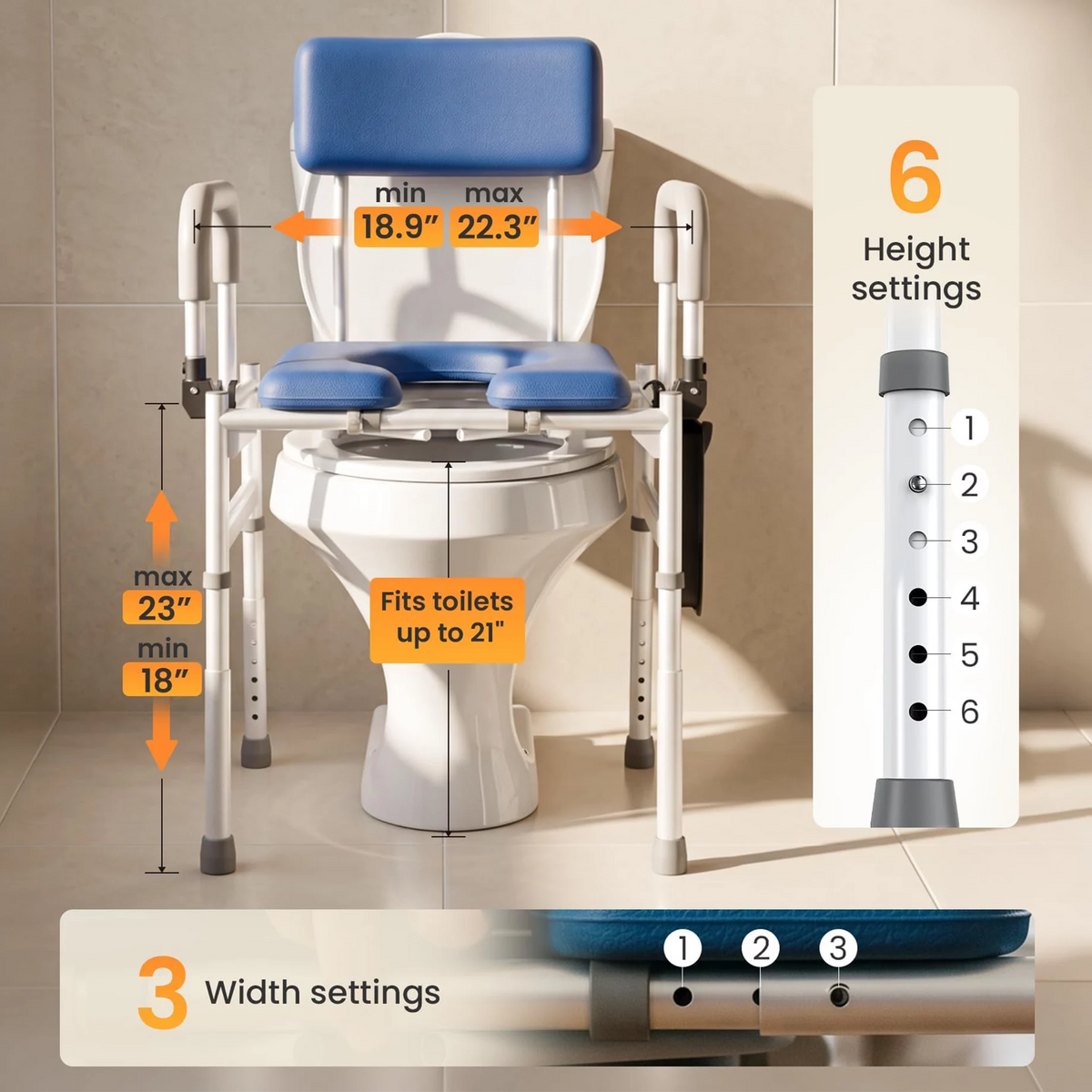
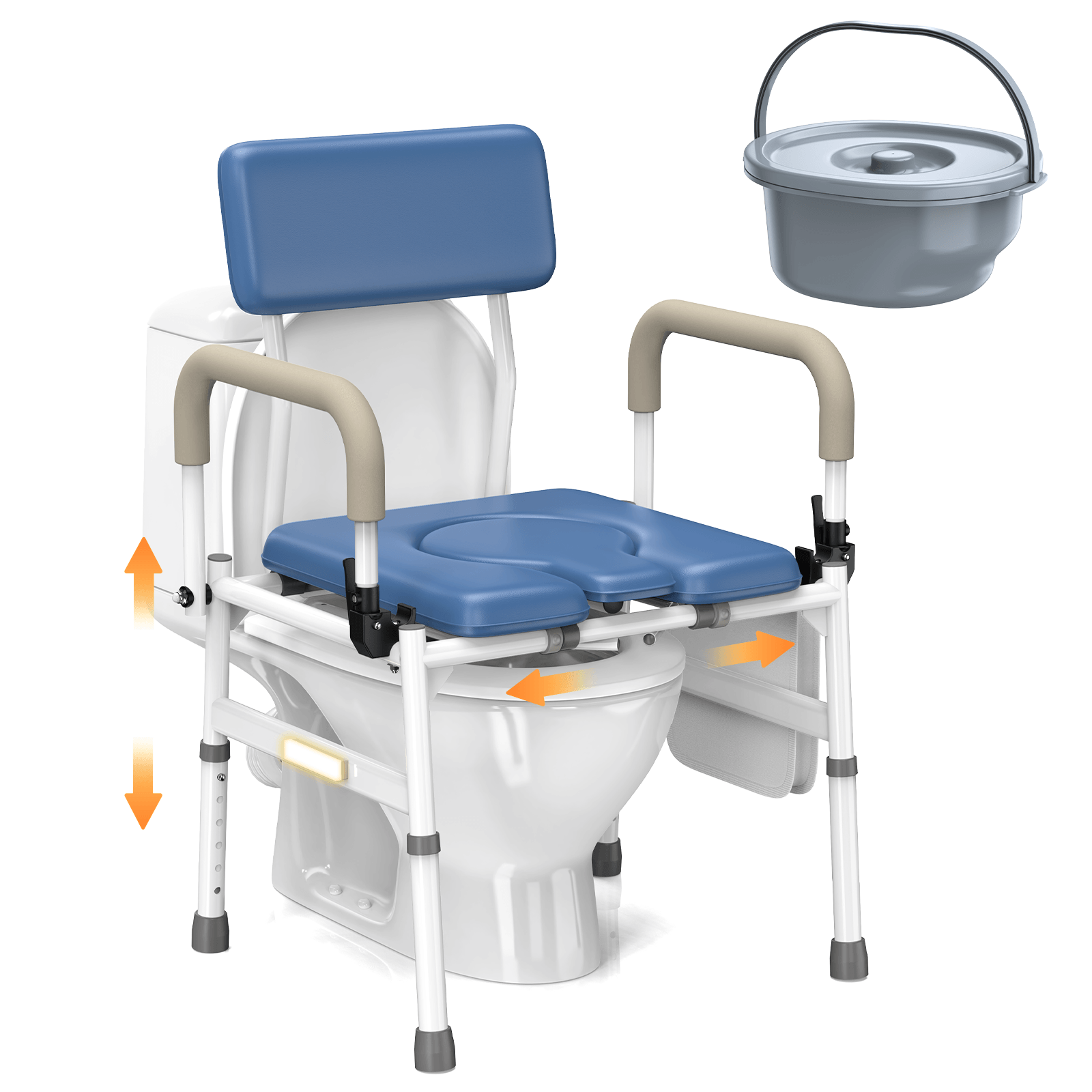




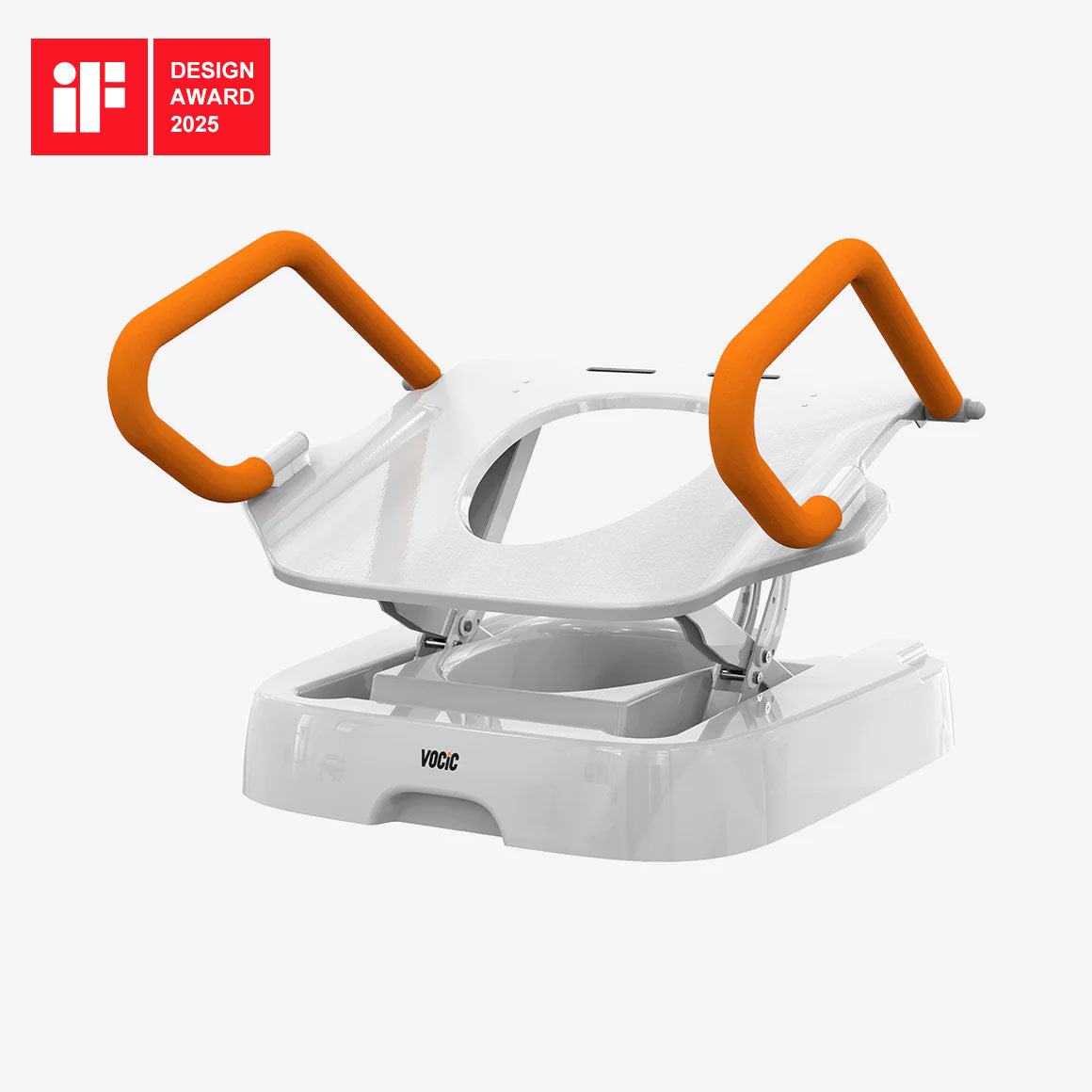
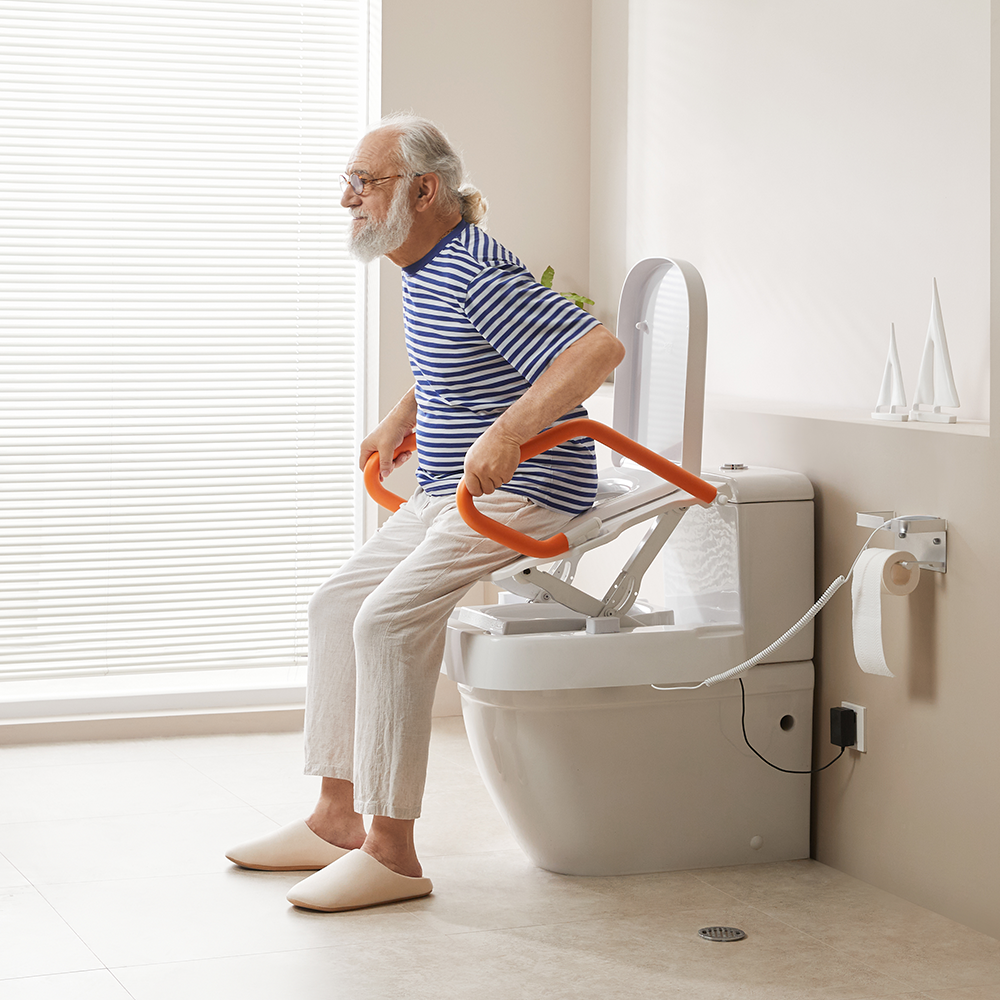
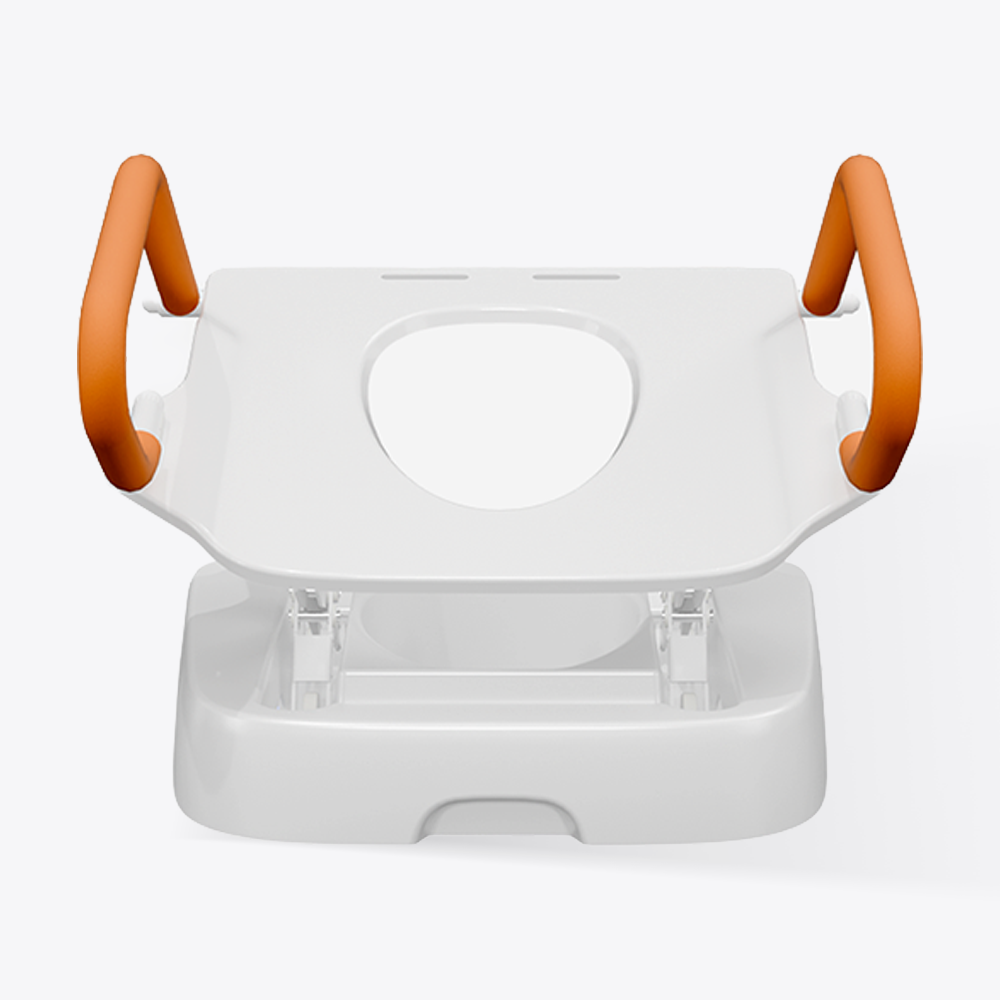
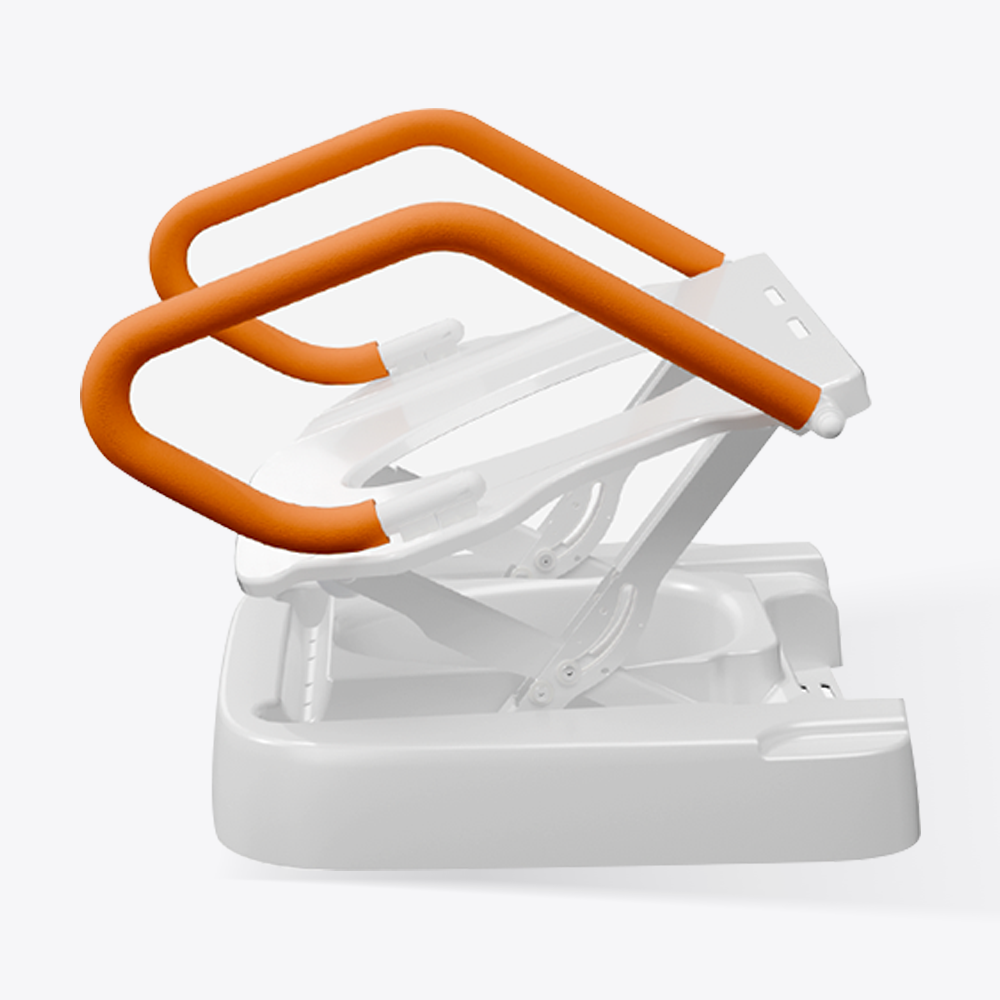
VOCiC AX12 Comfort Steady Powered Toilet Seat

Motorized lift
Anti-tip design

Flexible handle support

Compatible with most standard toilets
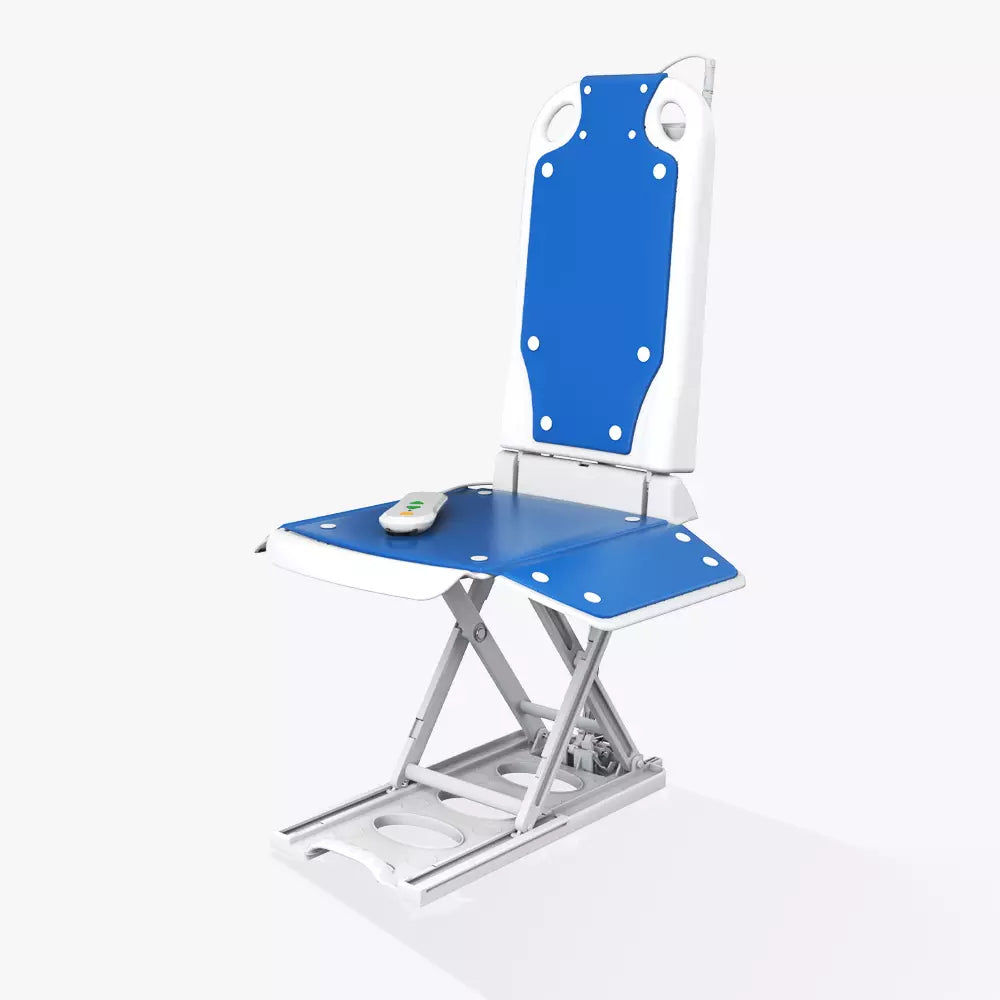
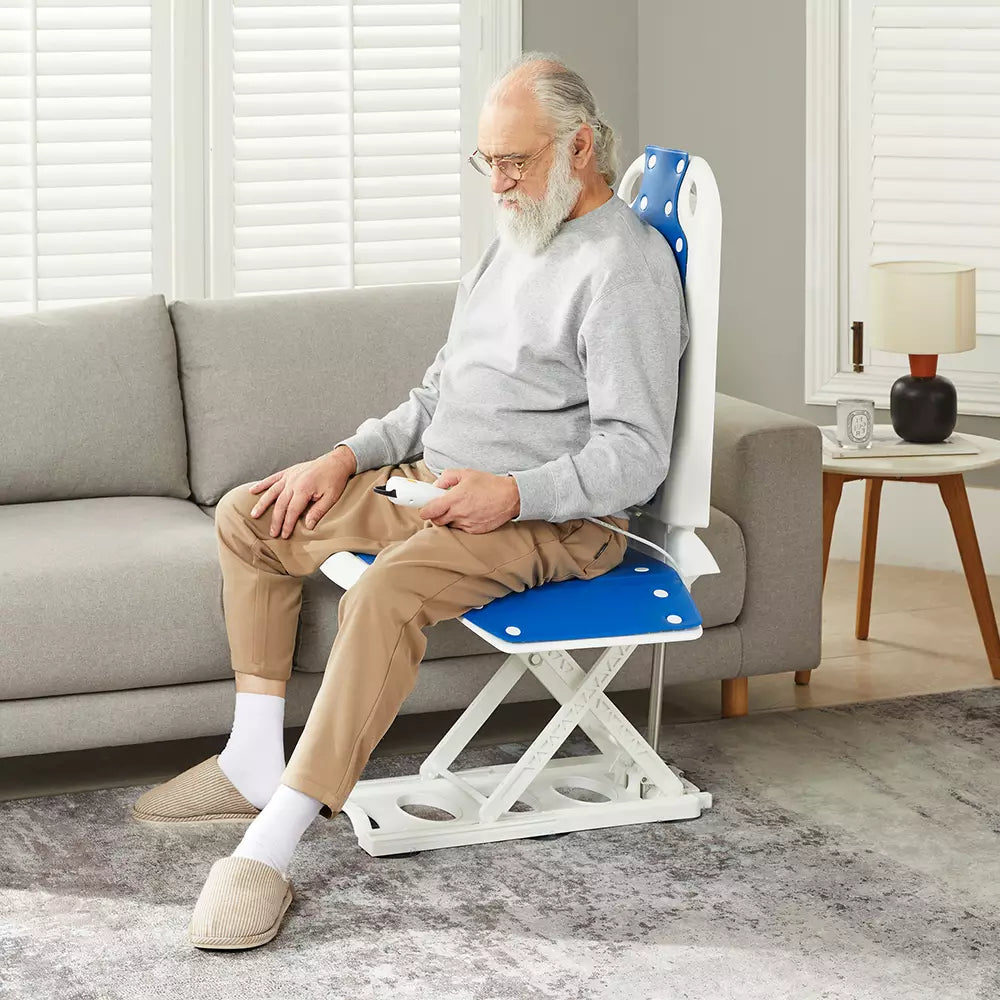

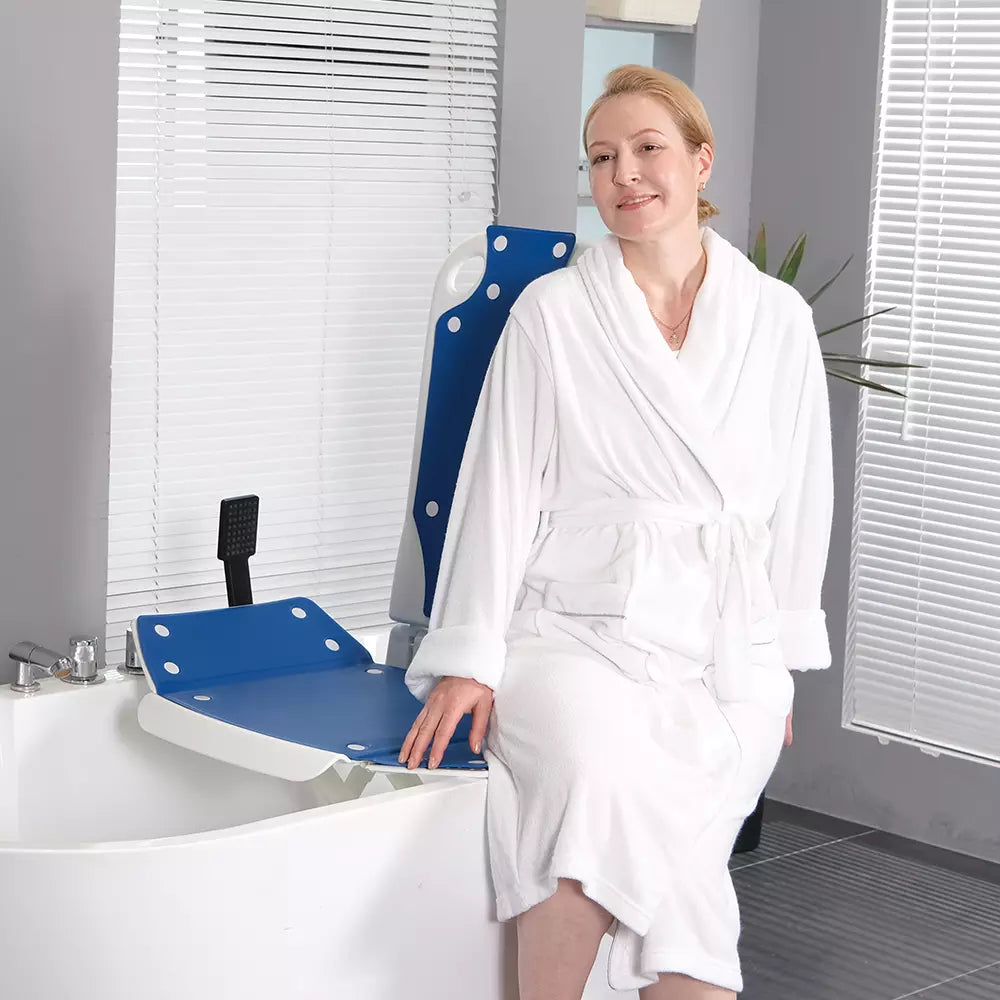
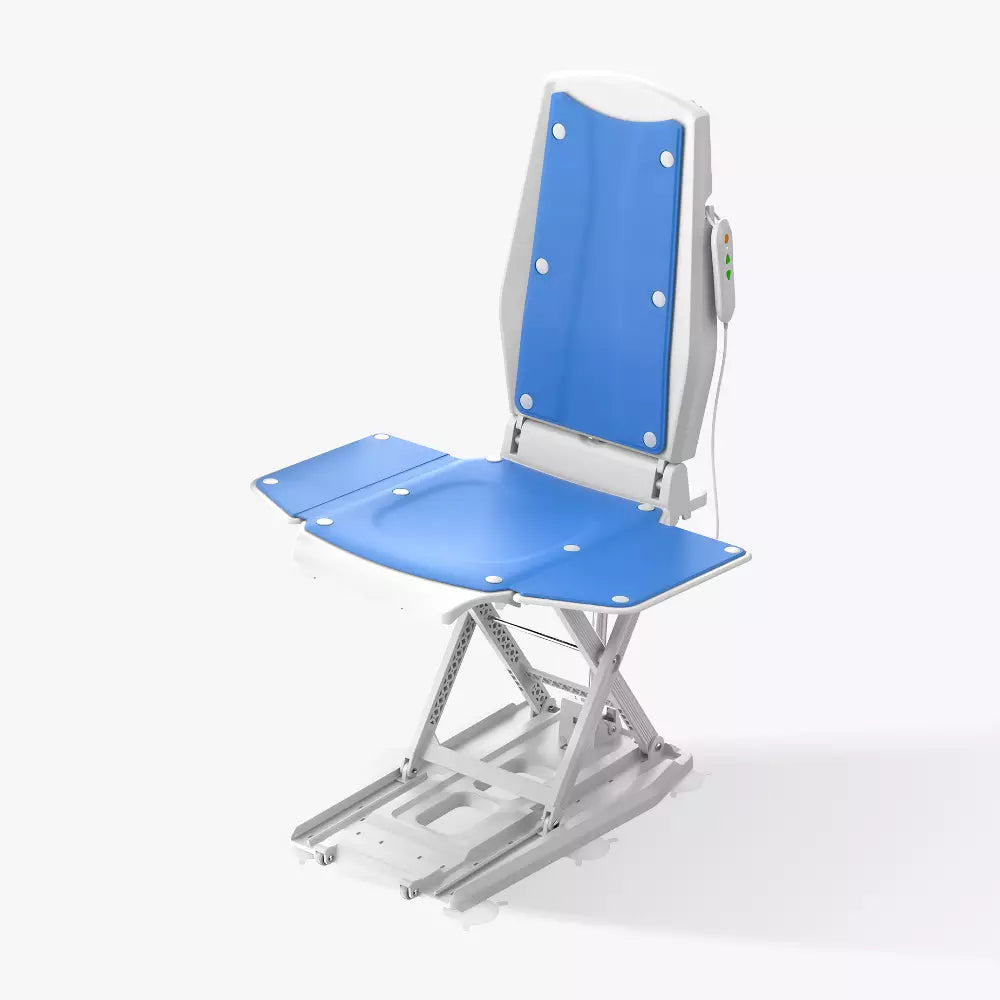
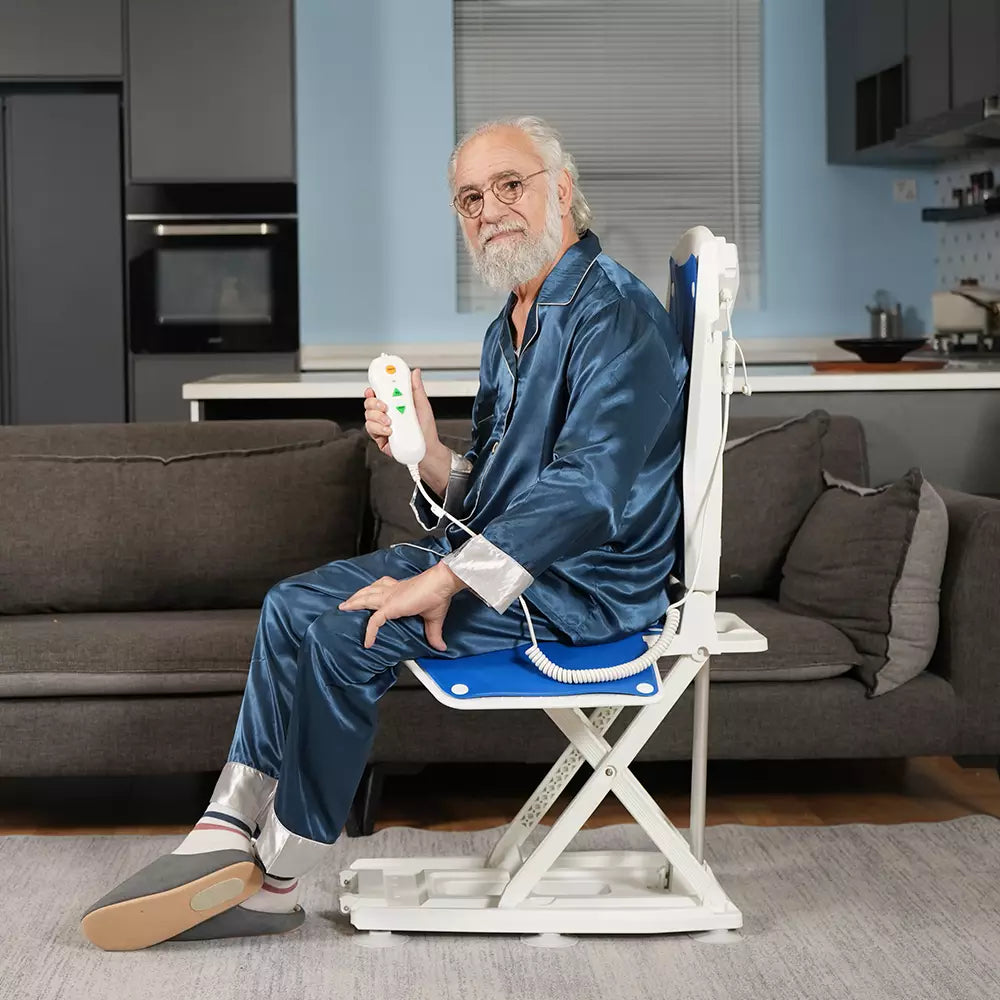
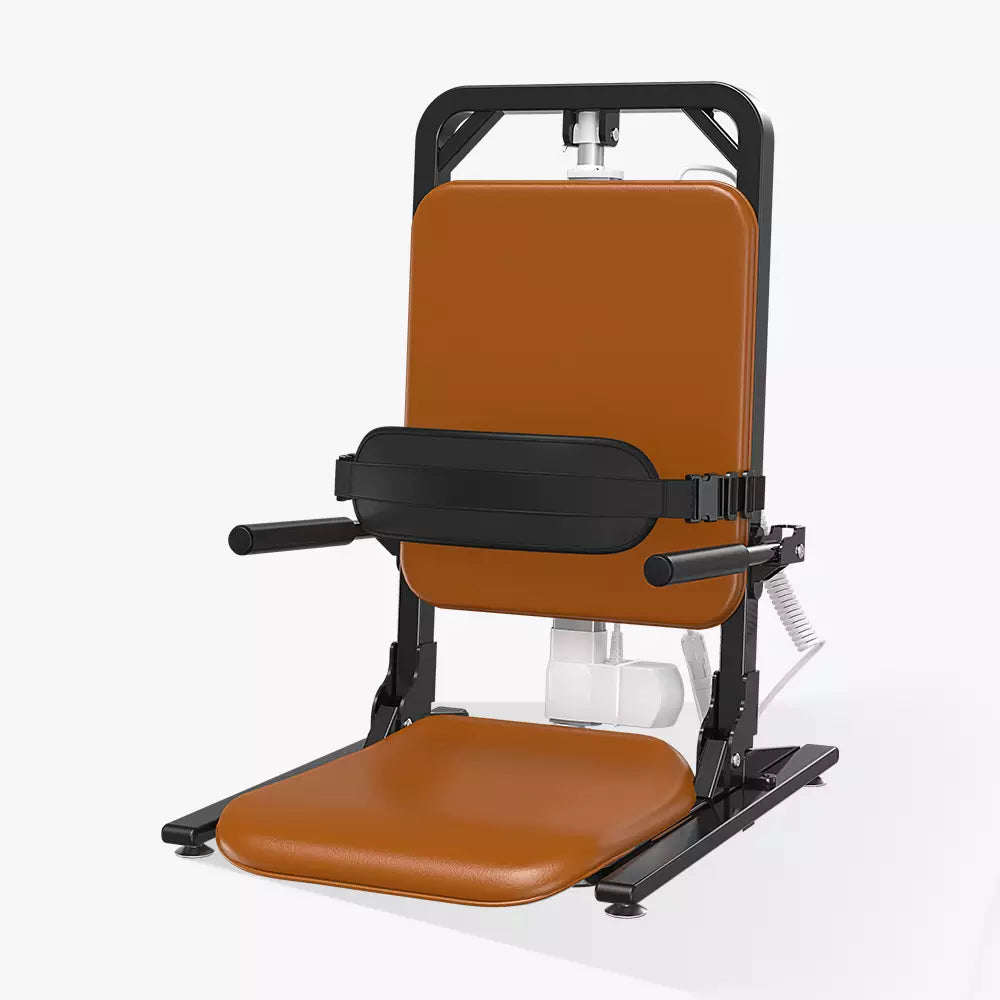
VOCIC AX08 Electric Chair Lift

Find More Transfer Solutions

FAQs
When should you use a transfer lift instead of a wheelchair?
A transfer lift is best used when a patient needs assistance transitioning between surfaces, especially in situations where standing or moving independently is not feasible. While a wheelchair is designed for mobility over longer distances, a patient transfer device such as a transfer assist lift is more suitable for shorter, controlled transfers, such as moving from a bed to a chair or from a wheelchair to a car.These devices are beneficial for patients who cannot support their own weight or those who have limited mobility. Unlike a wheelchair, which is designed for transport, a transfer assist lift is used for transferring patients from one sitting or lying position to another with greater ease and stability.
How do transfer assist devices assist standing up from a seated position?
A floor lift chair is a specialized transfer aid that helps patients who have difficulty standing up from a seated position. It features an electric lifting mechanism that slowly raises the user from a low, seated position to a standing one. The motorized system ensures that the patient’s posture is maintained comfortably as they rise, reducing the physical strain required to stand.
What are the key features of the patient transfer device?
The primary feature of a floor lift chair is its electric lift system, which raises the user from a low seated position to a standing one with minimal effort. This system ensures that the patient is moved smoothly and steadily, providing comfort and stability during the transition. Additionally, a floor lift chair often includes adjustable height settings, allowing caregivers to customize the lift to the patient’s specific needs. Many models also feature sturdy armrests and back support to provide extra security and balance during the lift. These chairs are designed with safety in mind, often incorporating non-slip surfaces and reliable controls to prevent accidents.
What makes Hoyer lift transfer aids ideal for transferring patients?
A Hoyer lift is a specialized patient transfer device designed to lift and transfer patients who are completely immobile or have very limited mobility. Unlike transfer lifts, which are designed to assist patients in transitioning from sitting to standing, a Hoyer lift is used for full-body transfers, such as moving a patient from a bed to a wheelchair or vice versa.
Can patients with limited upper body strength use sit-to-stand lift transfer aids?
Yes, patients with limited upper body strength can benefit from using a sit-to-stand lift. This transfer aid is specifically designed for patients who have some mobility but need assistance to move from a seated to a standing position.
How to choose the right transfer assist devices for vehicle and mobility needs?
When selecting a wheelchair to car transfer device, consider the vehicle’s size and layout, as some devices are designed for larger cars, while others are more compact. Assess the patient’s mobility level—some devices are better for those with limited strength. Also, decide if the device should be portable or permanently installed, based on the patient’s long-term needs.
How do transfer assist devices help prevent caregiver strain or injury?
Transfer assist devices are crucial for reducing the physical effort required by caregivers during patient transfers. Lifting or supporting a patient manually can lead to significant strain on the caregiver’s body, especially on the back, shoulders, and arms. By using transfer aids like transfer lifts and patient transfer devices, caregivers can ensure that the patient is moved safely and comfortably without the risk of physical injury to themselves.
How does a transfer lift work for safe transfers in the bathroom?
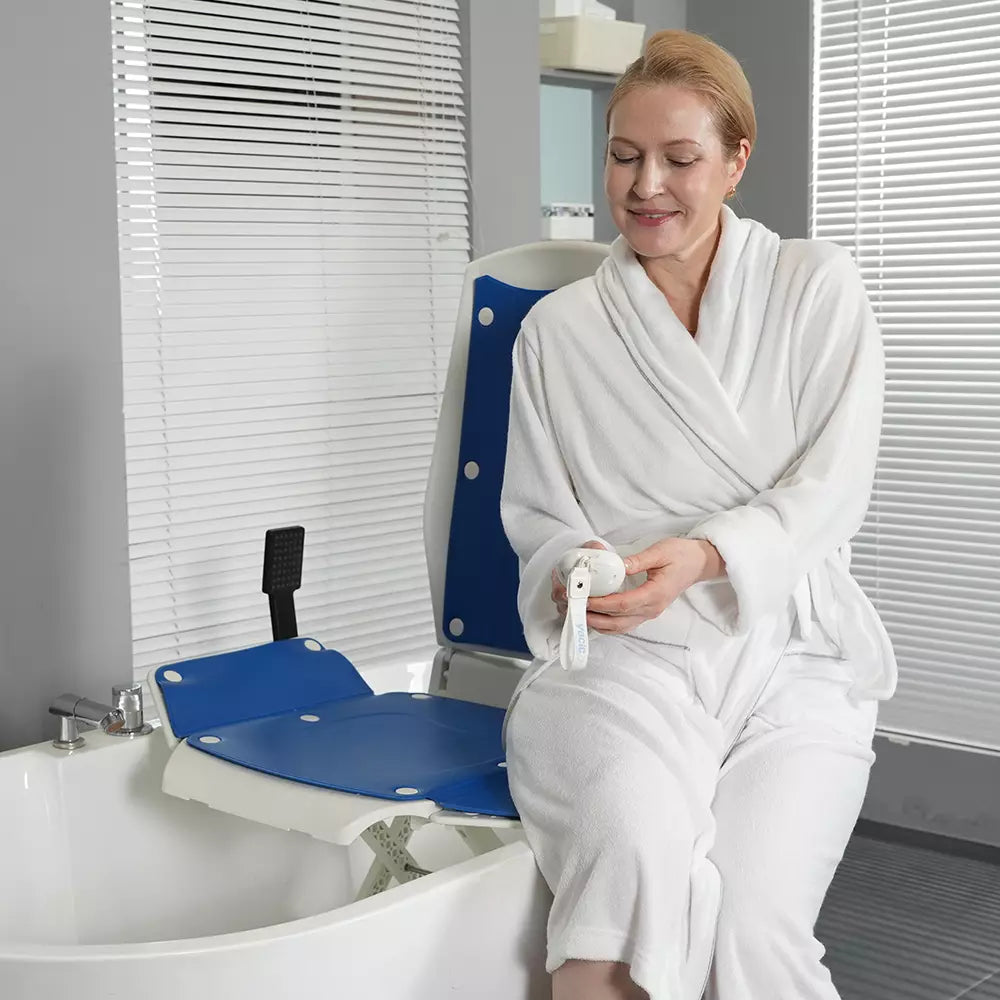
A bath lift chair is a patient transfer device specifically designed to assist with transfers in and out of the bathtub. It typically features a motorized lift mechanism that lowers the patient gently into the tub and raises them back out once the bathing session is complete. The bath lift chair provides a safe and comfortable way for patients with limited mobility to enter and exit the bathtub without the risk of falling. This is particularly helpful for individuals with conditions like arthritis, muscular weakness, or those recovering from surgery.
Our best sellers
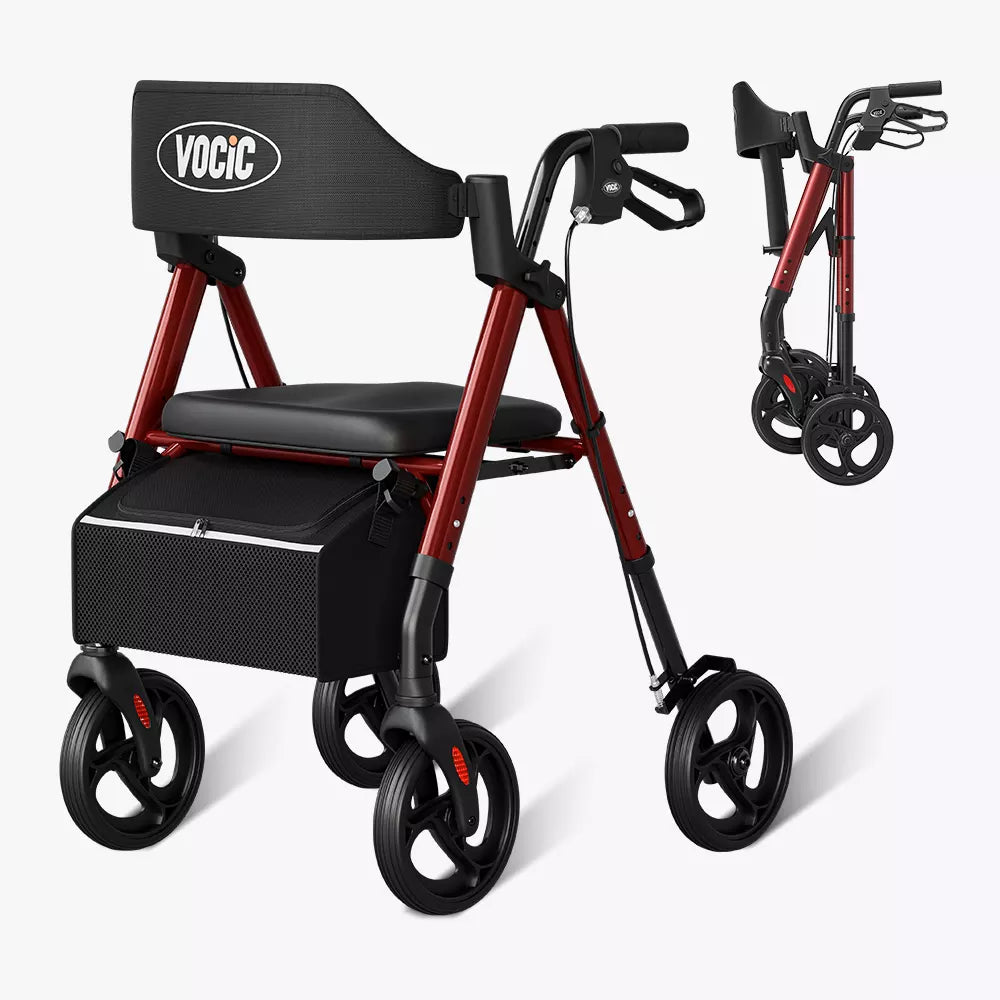


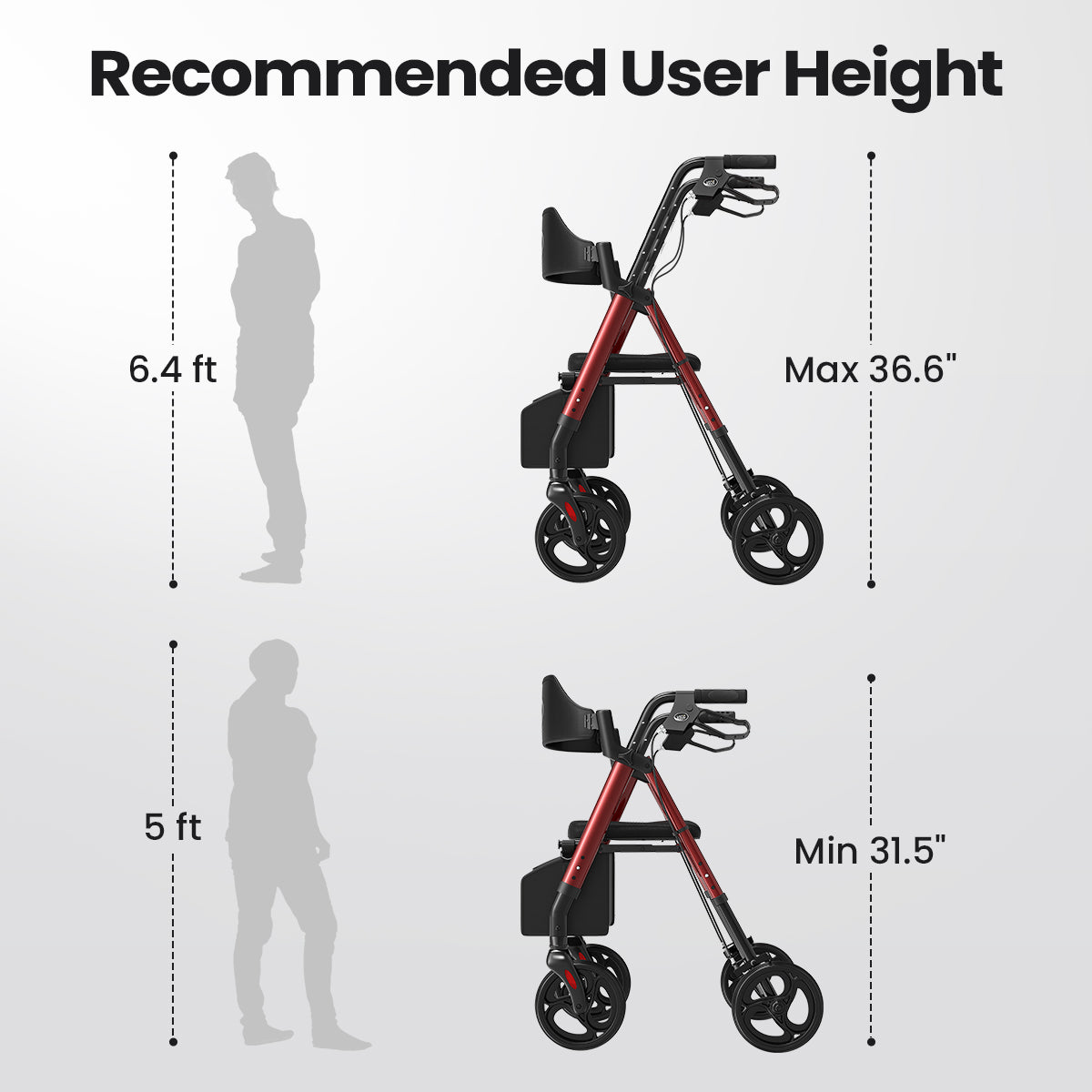
VOCIC Z21 Lightweight Rollator Walker



VOCIC AX08 Electric Chair Lift
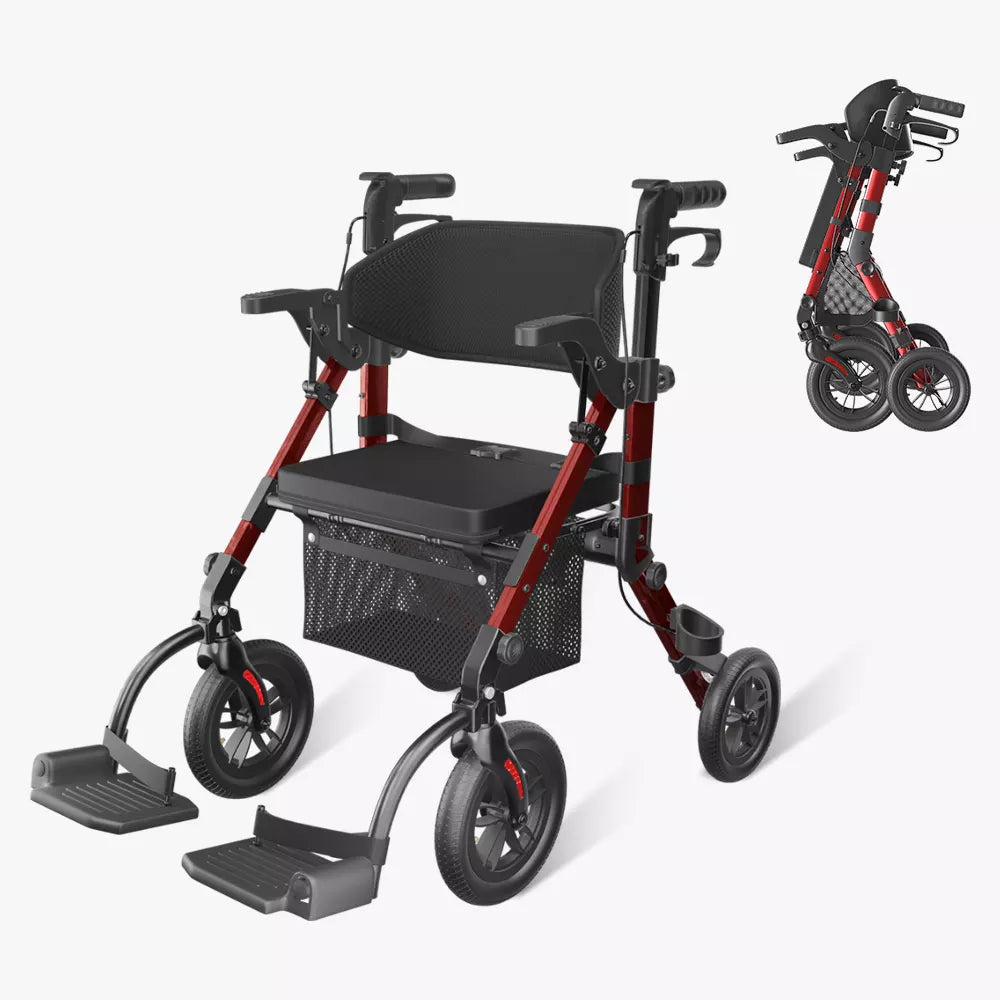
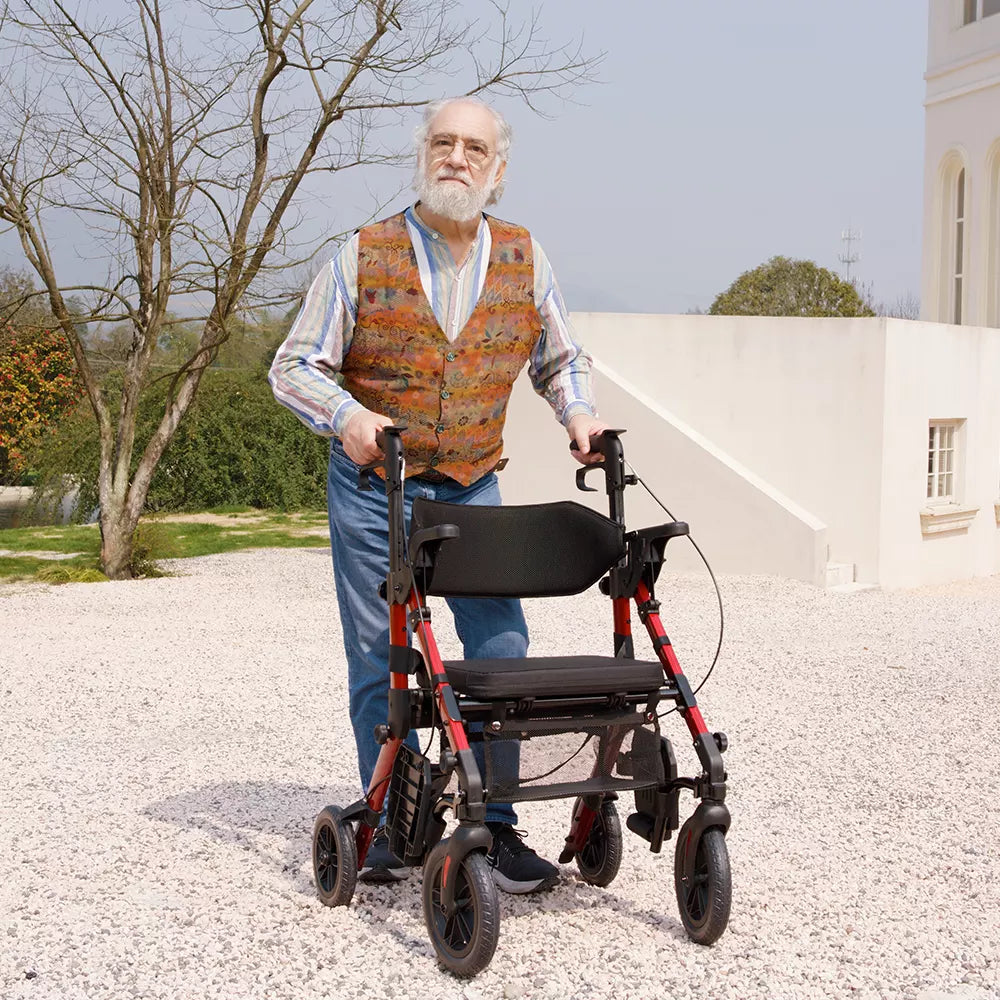
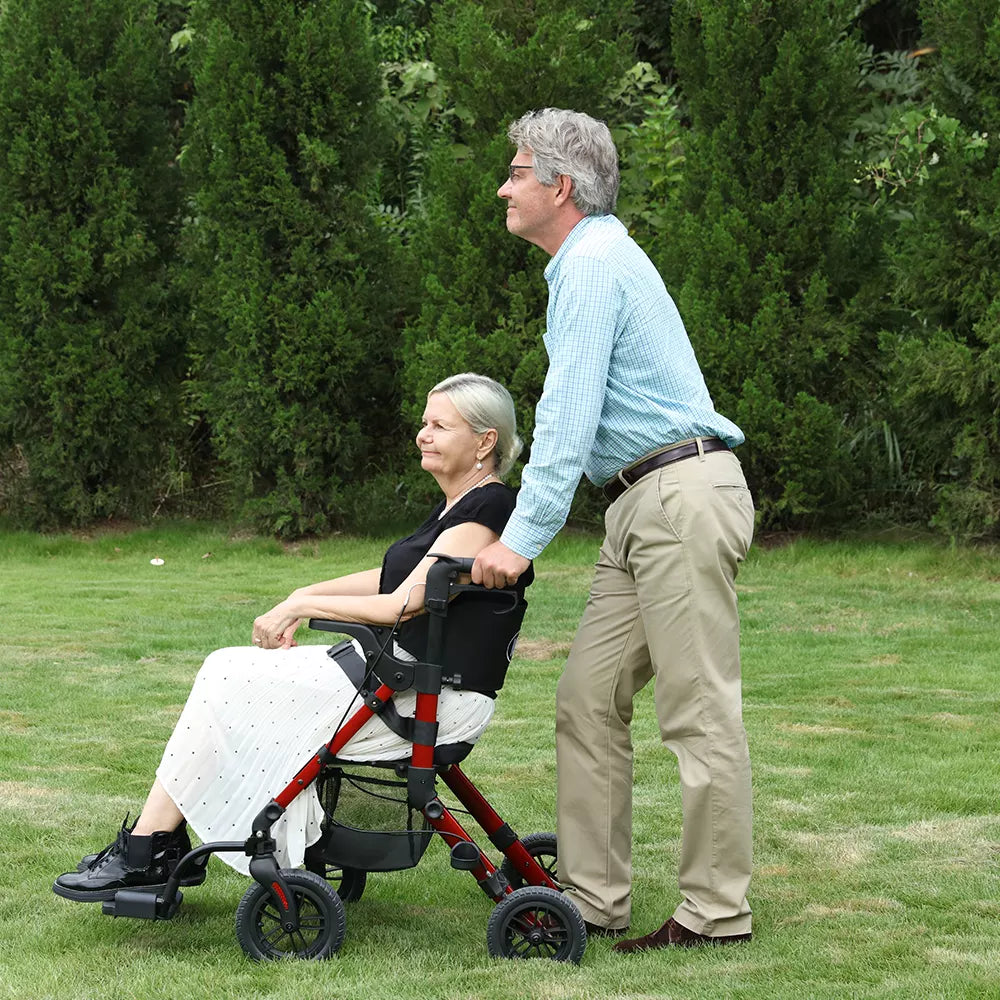
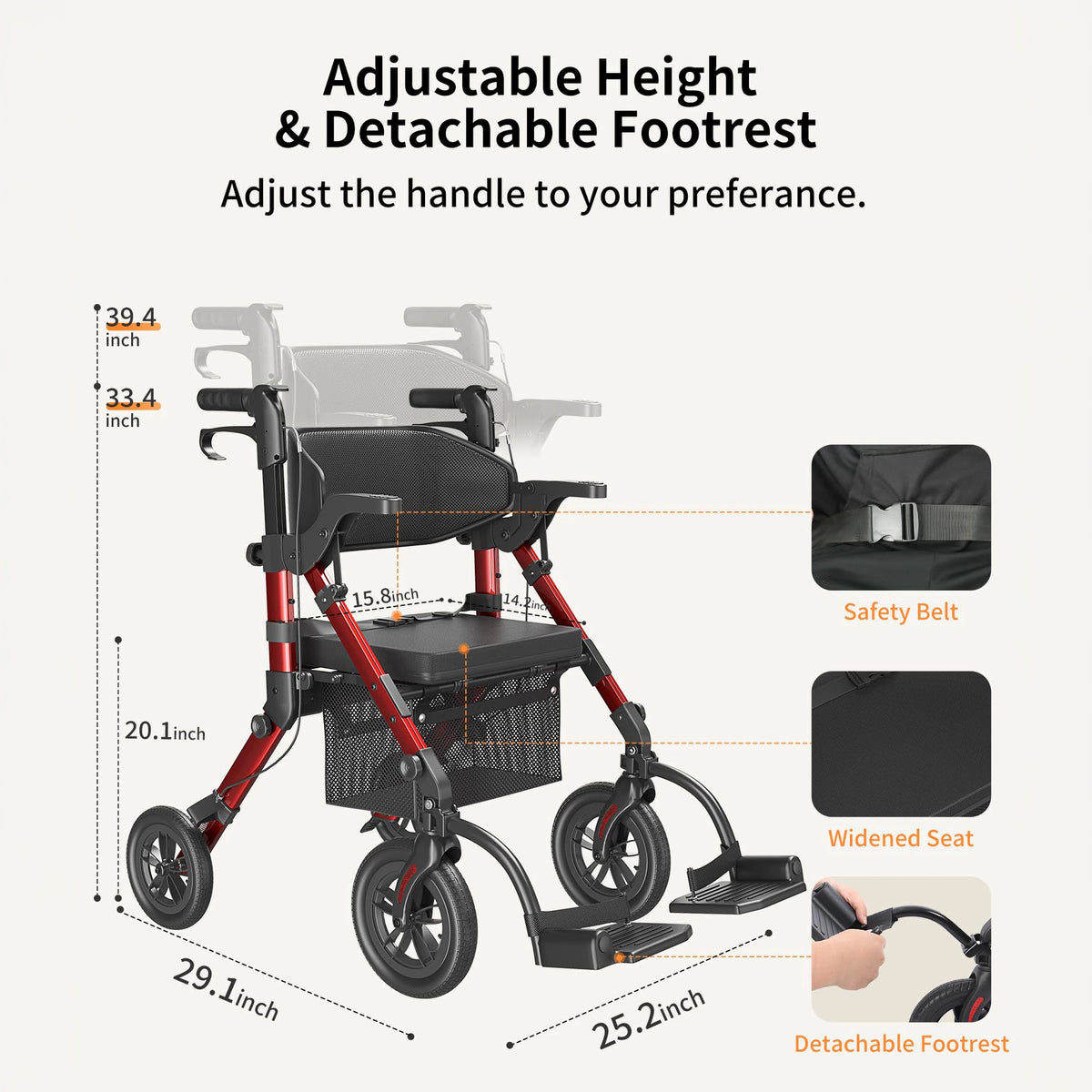
VOCIC Z51 All Terrain 2 in 1 Walker Wheelchair Combo




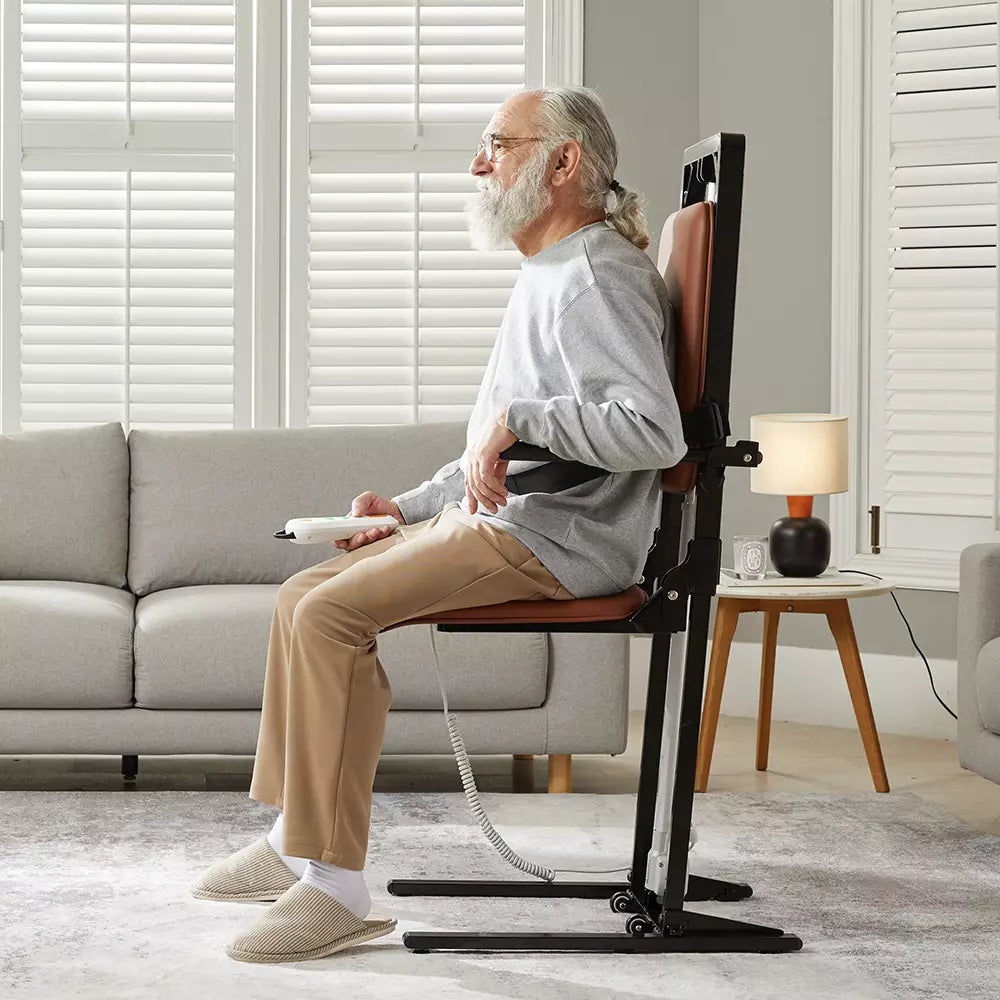
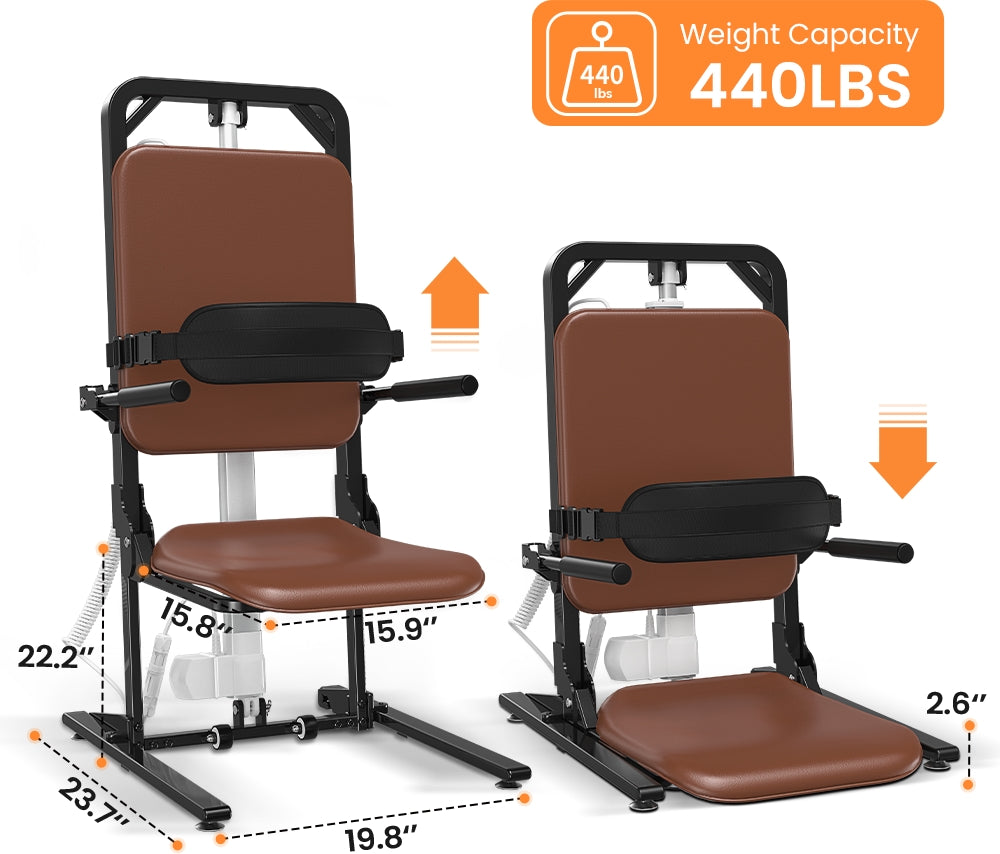

MAIDeSITe® AX05 Heavy Duty Electric Chair Lift

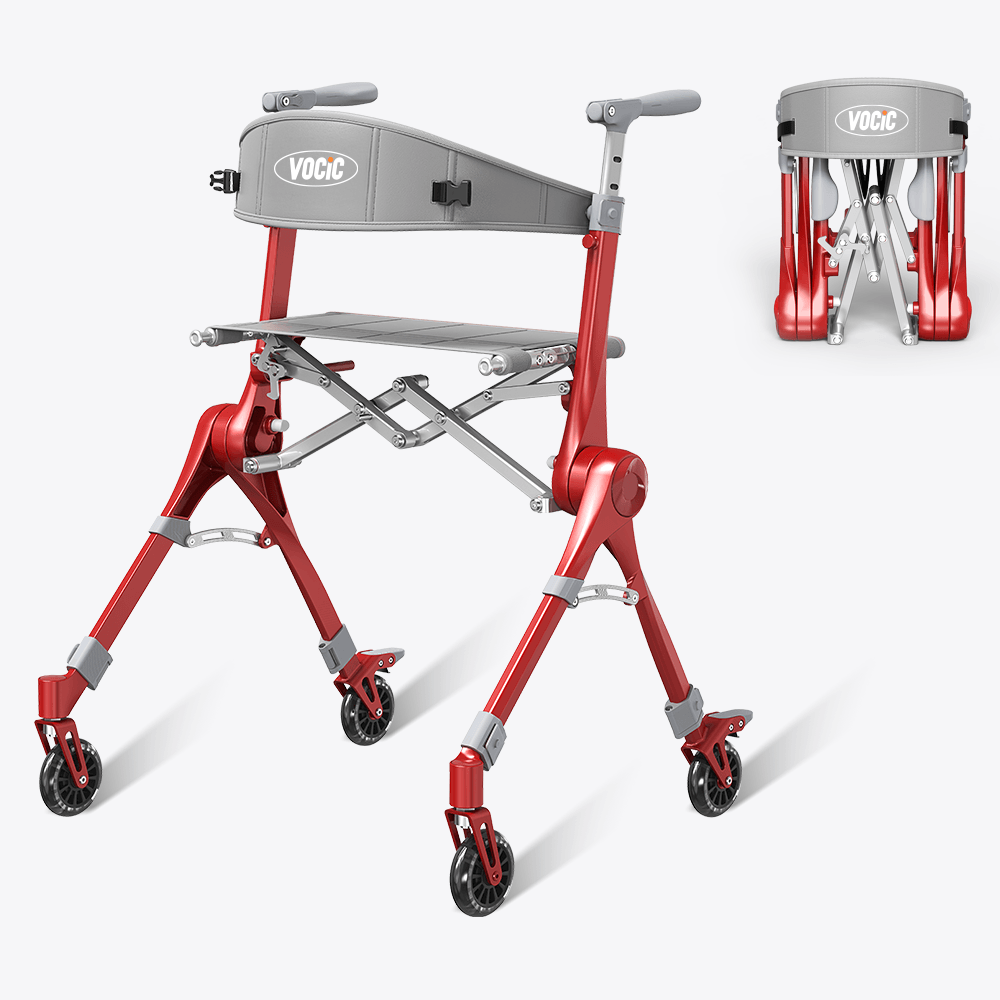

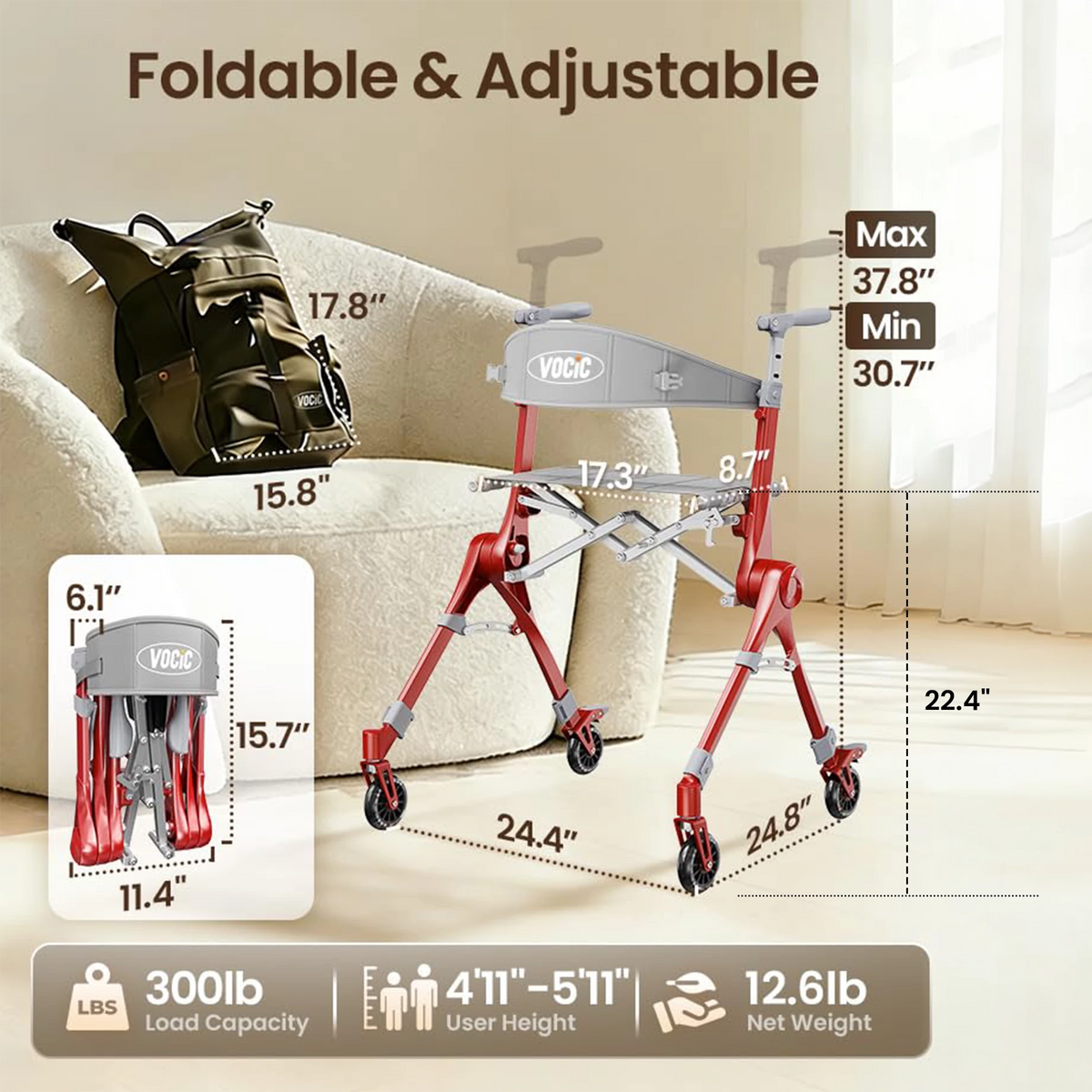
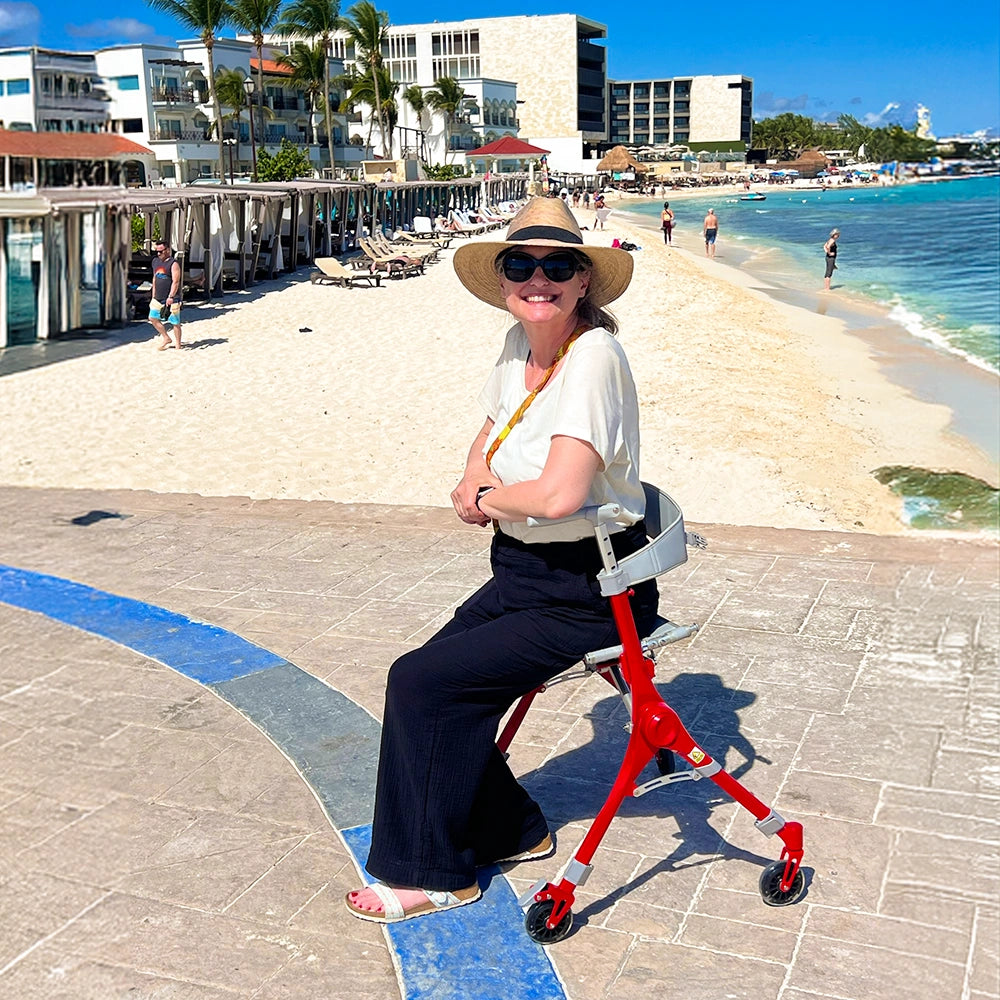
VOCIC Z35 PackGo Foldable Lightweight Rollator Walker



VOCIC AX35 Electric Transfer Chair Lift with 4 Wheels