

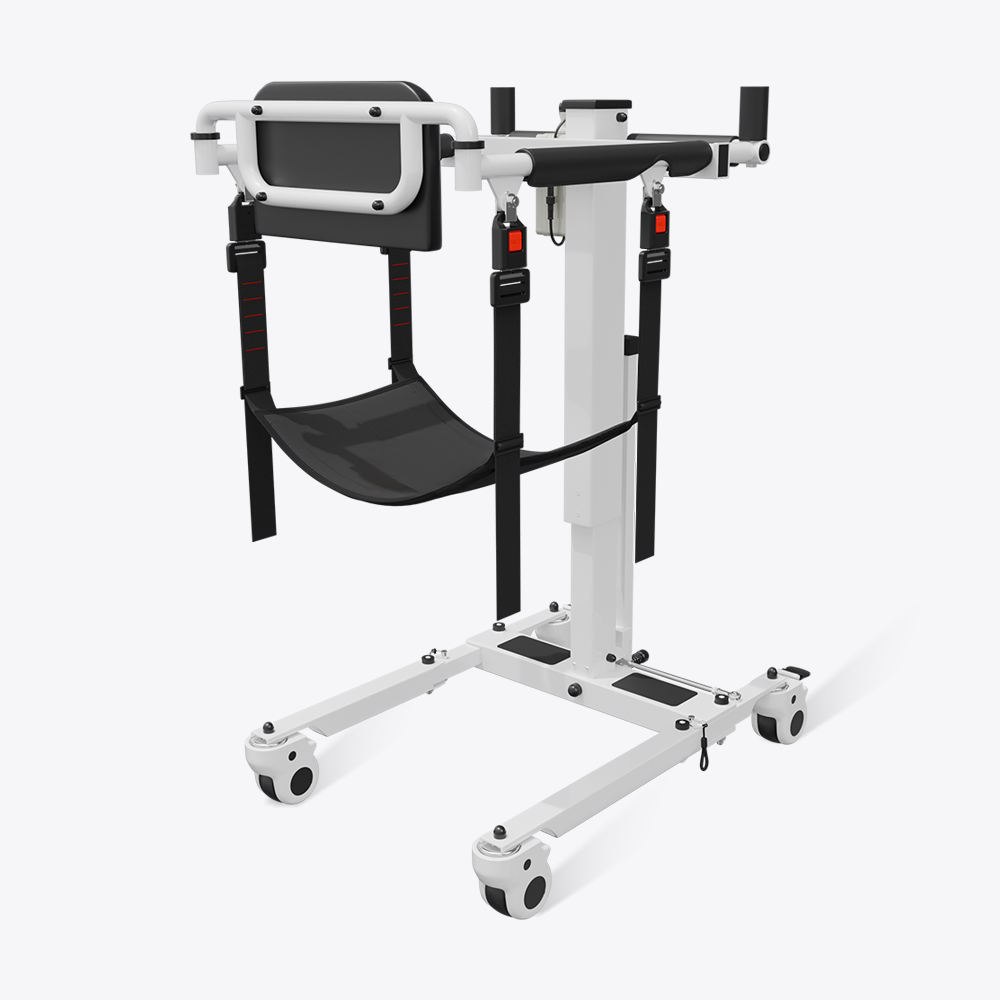
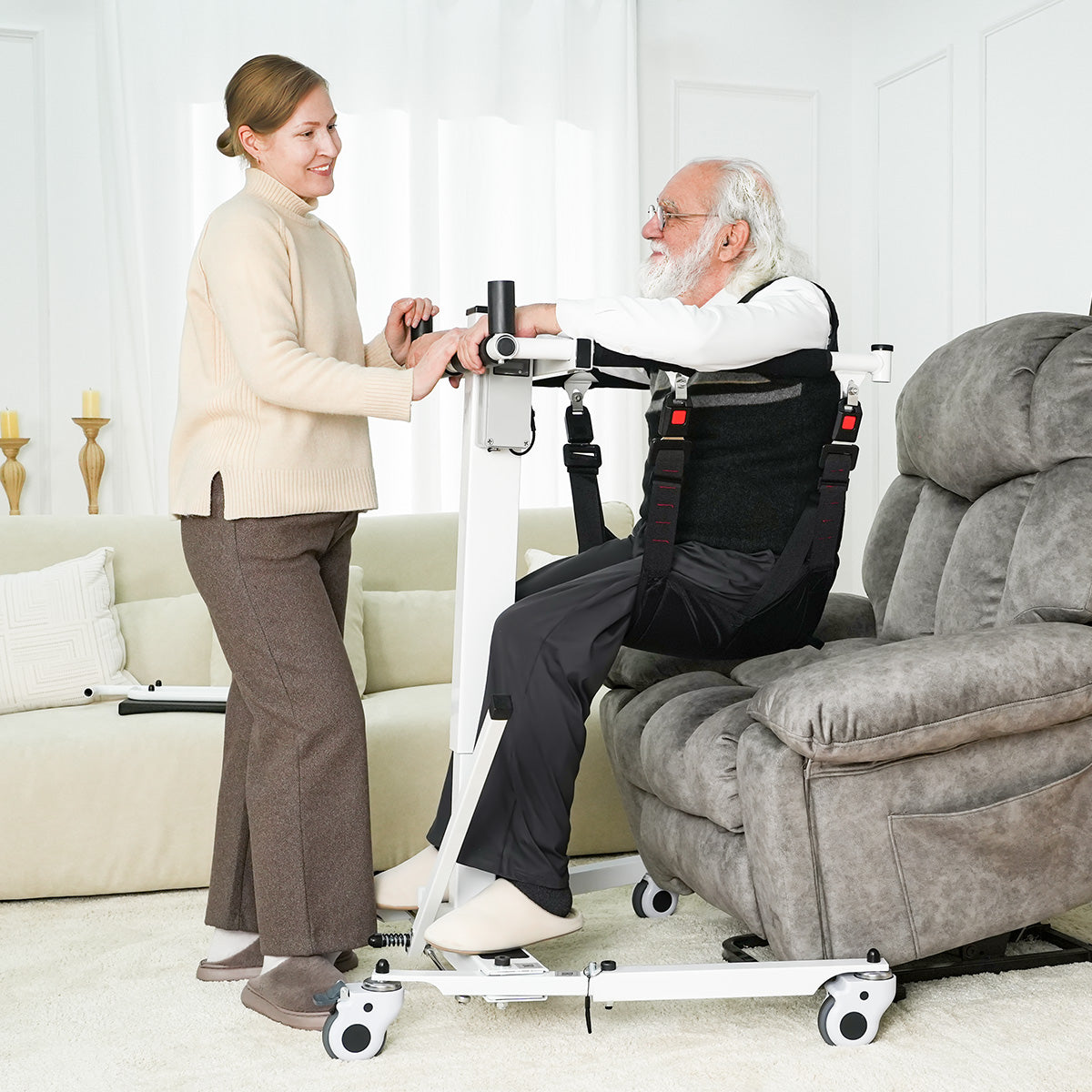
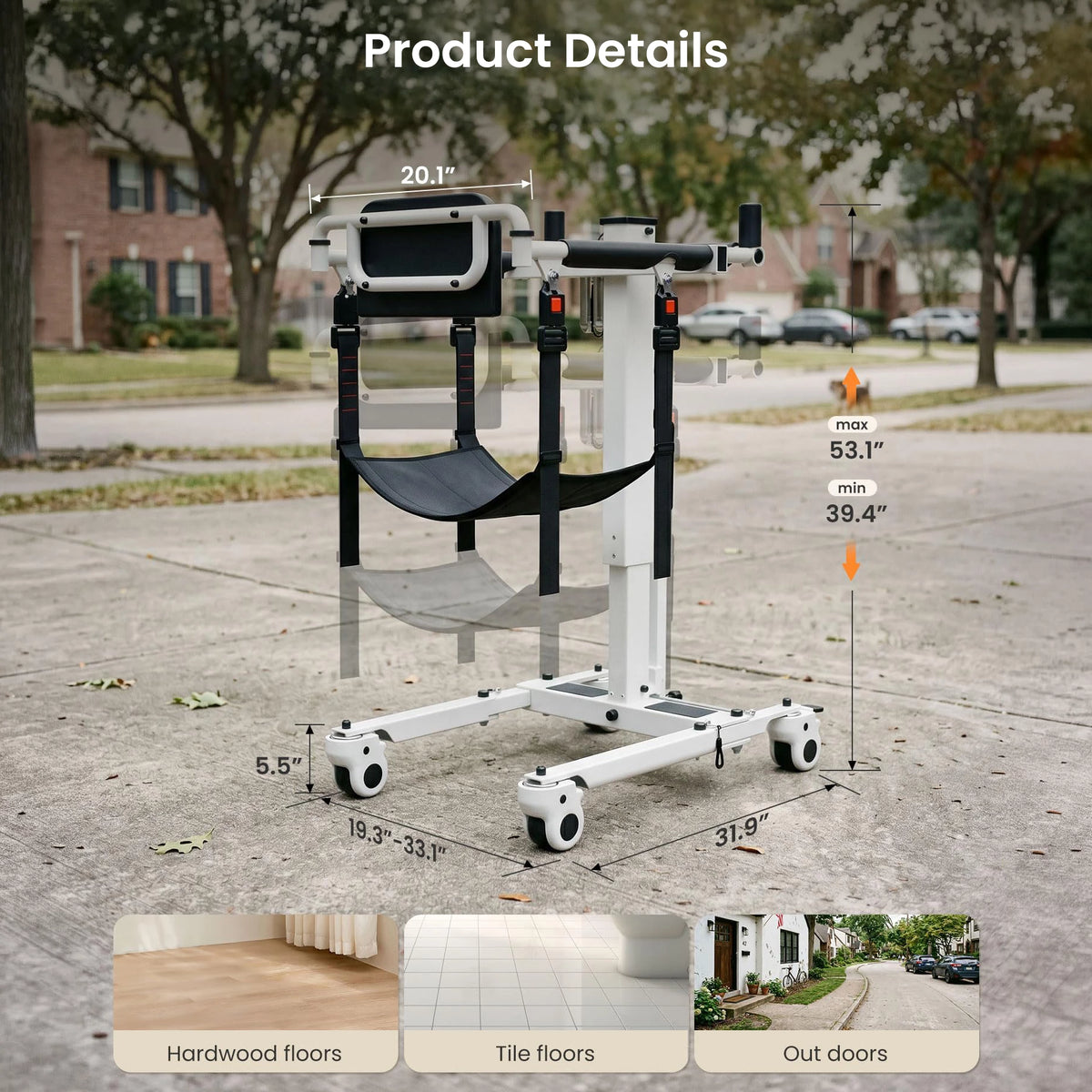
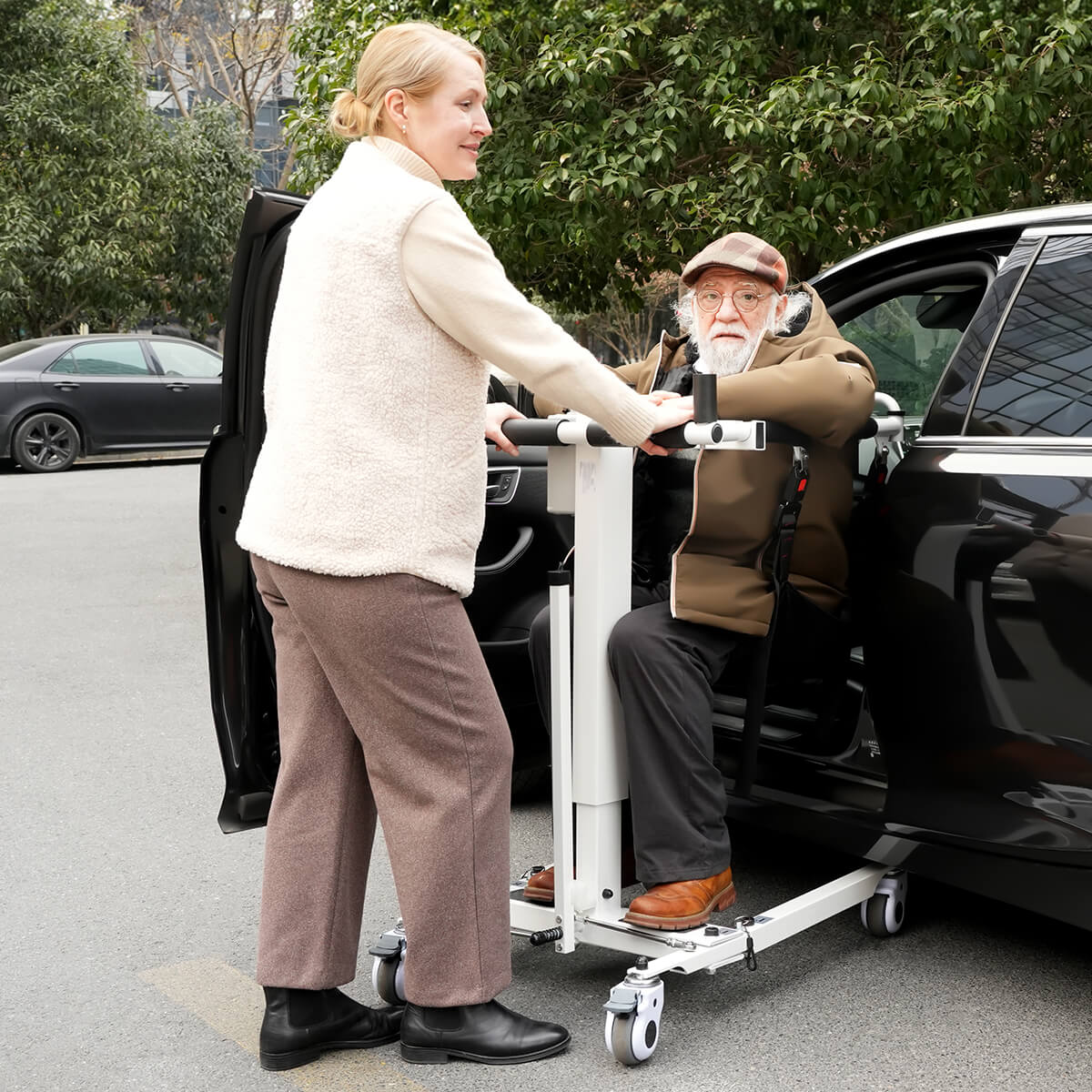
VOCIC AY06 Electric Transfer Lift - Lift Assist Devices for Home, Nursing Home, Car




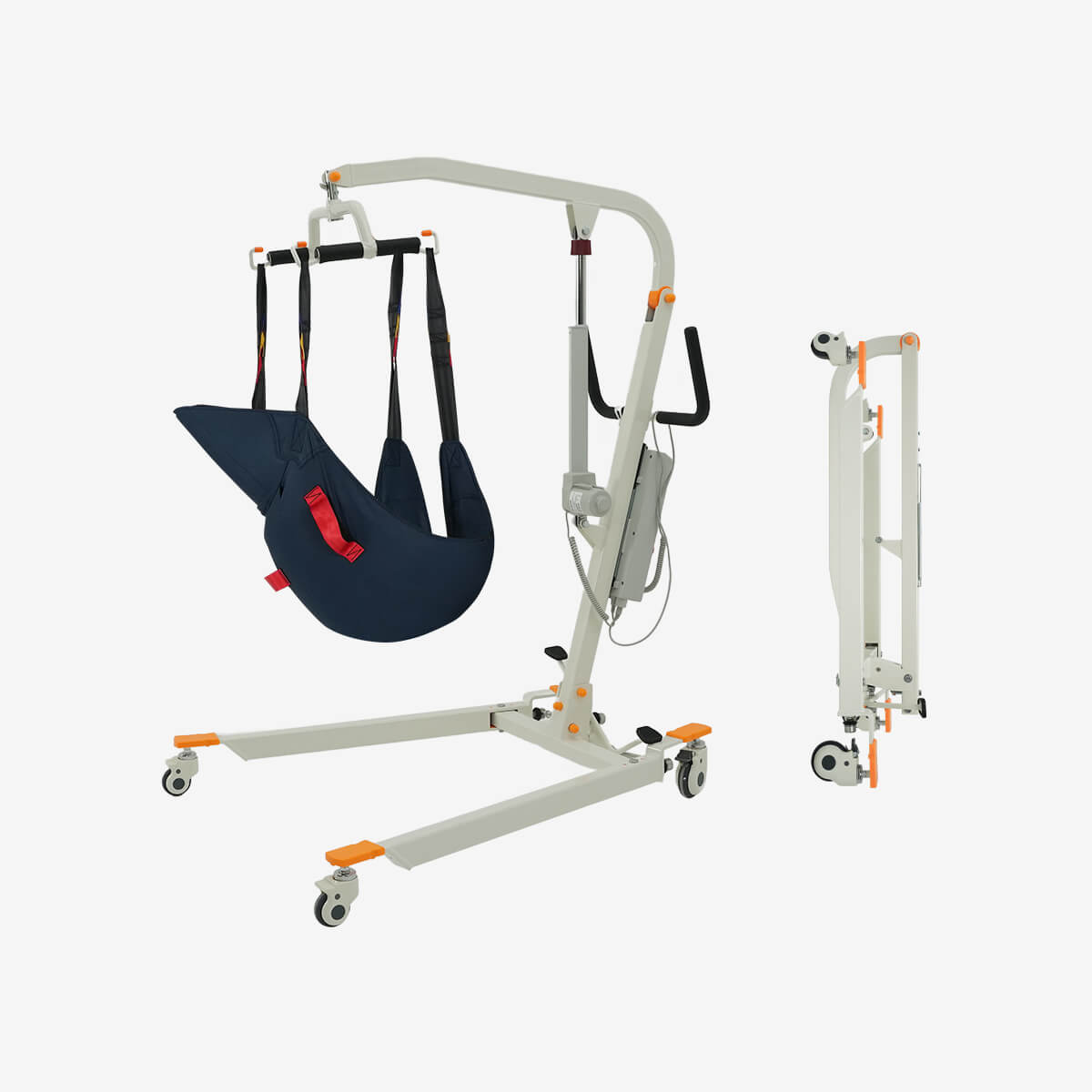
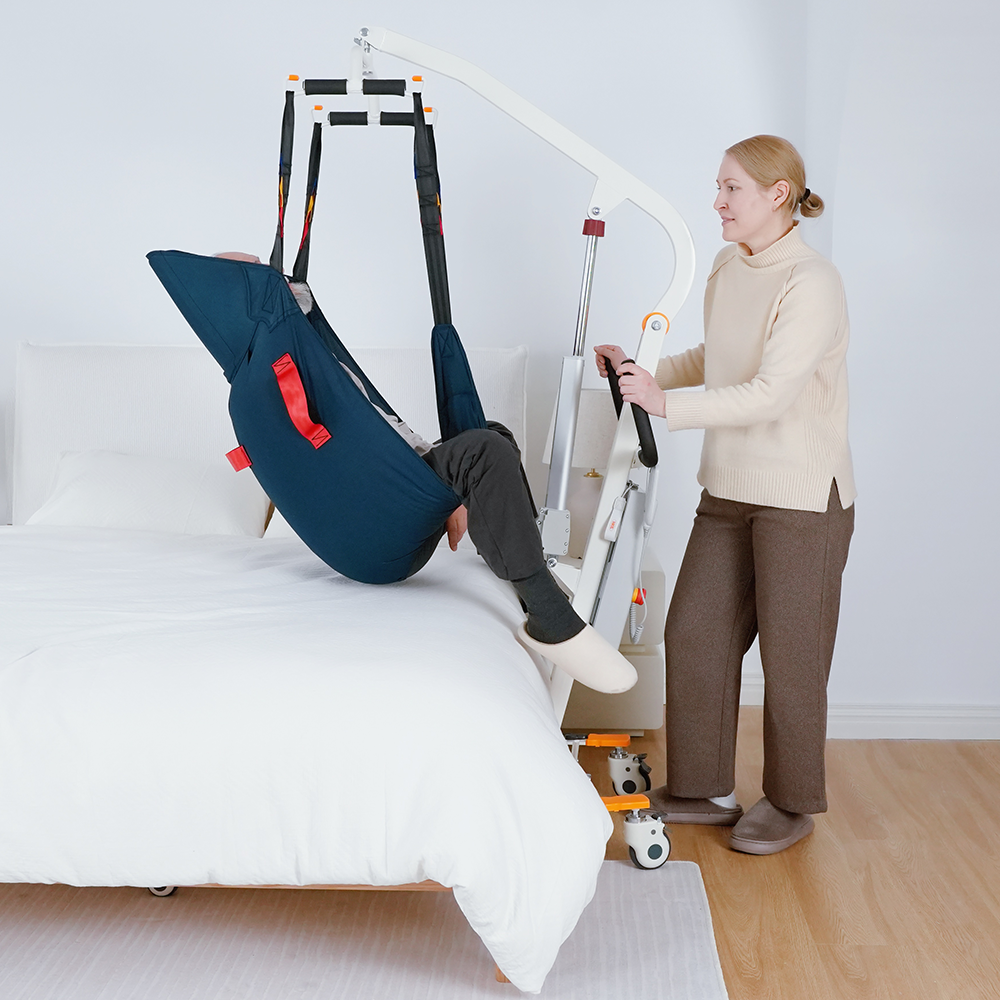
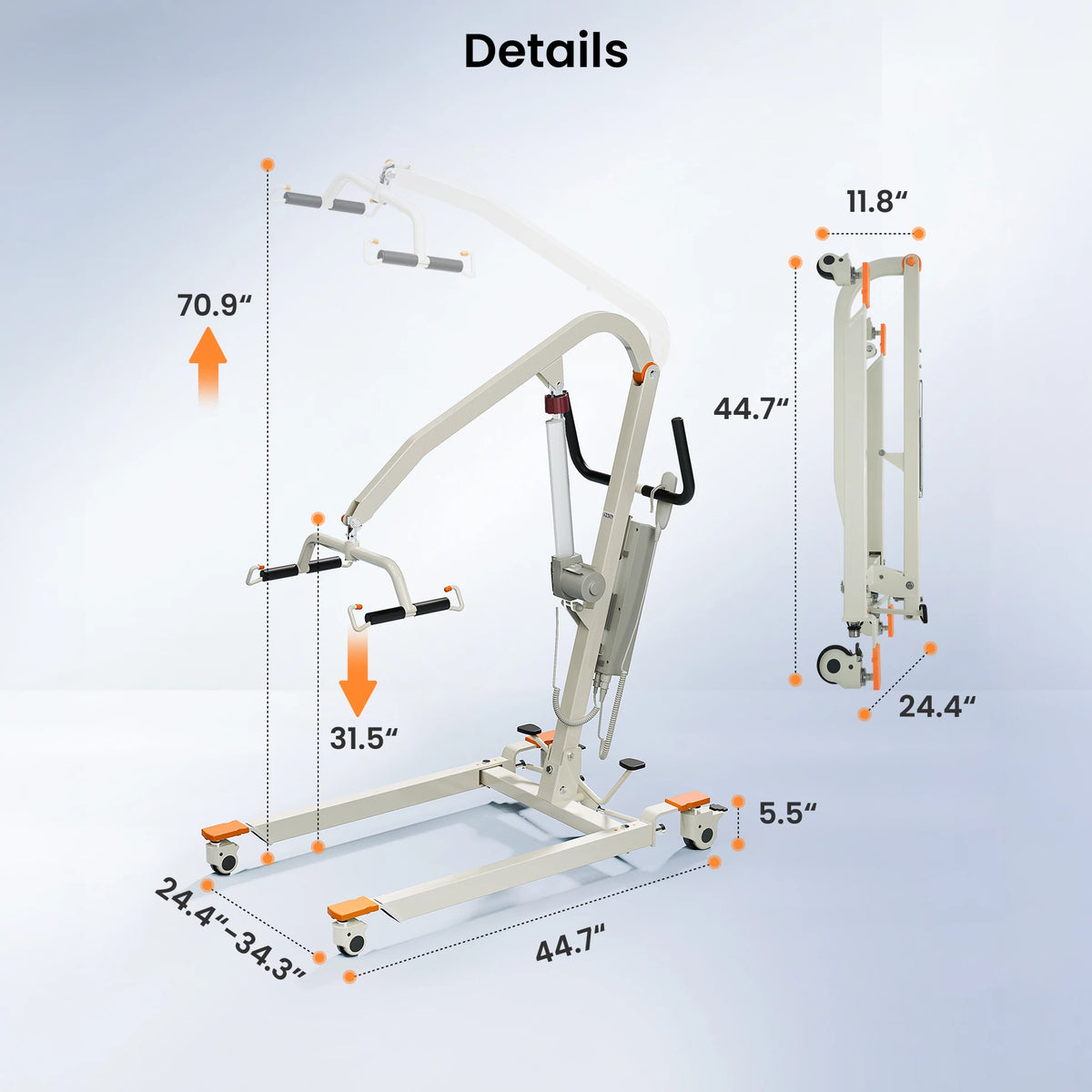
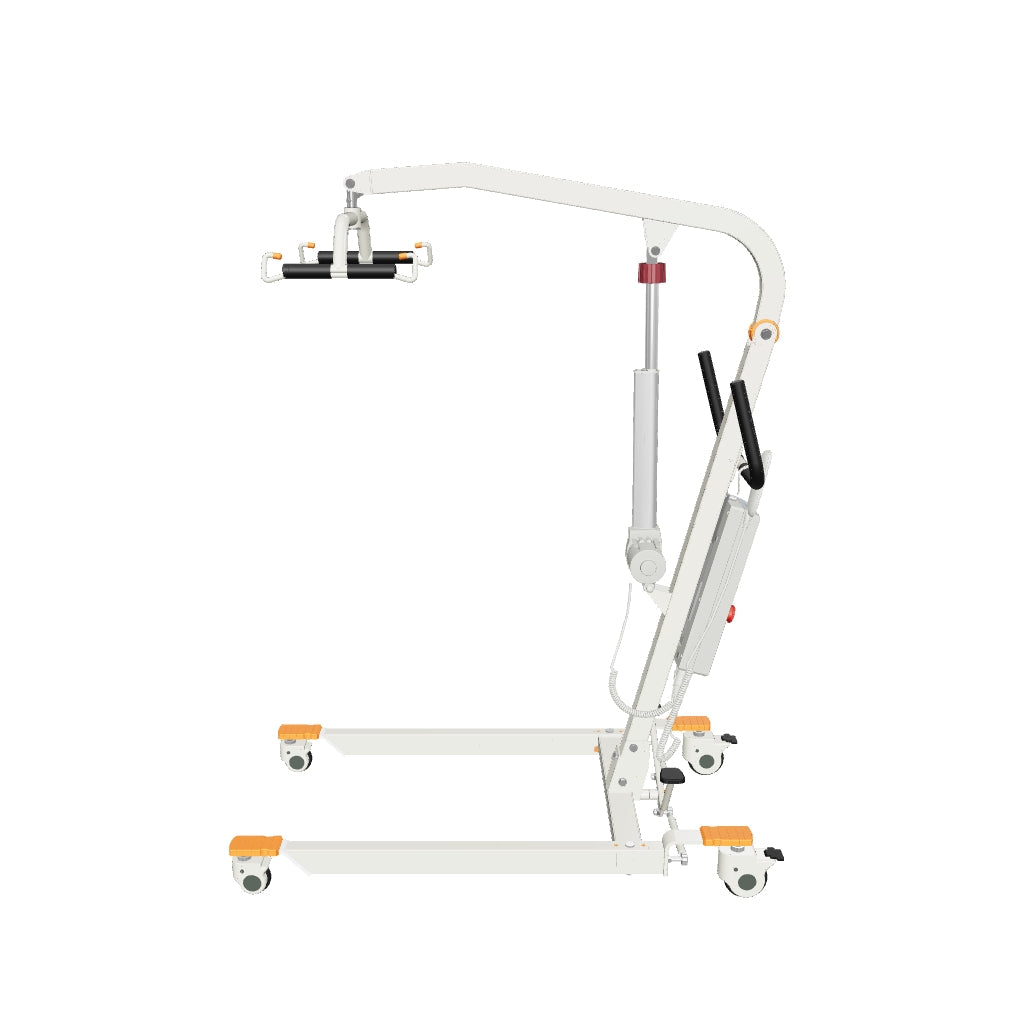
VOCIC Electric Transfer Hoyer Lift with Sling




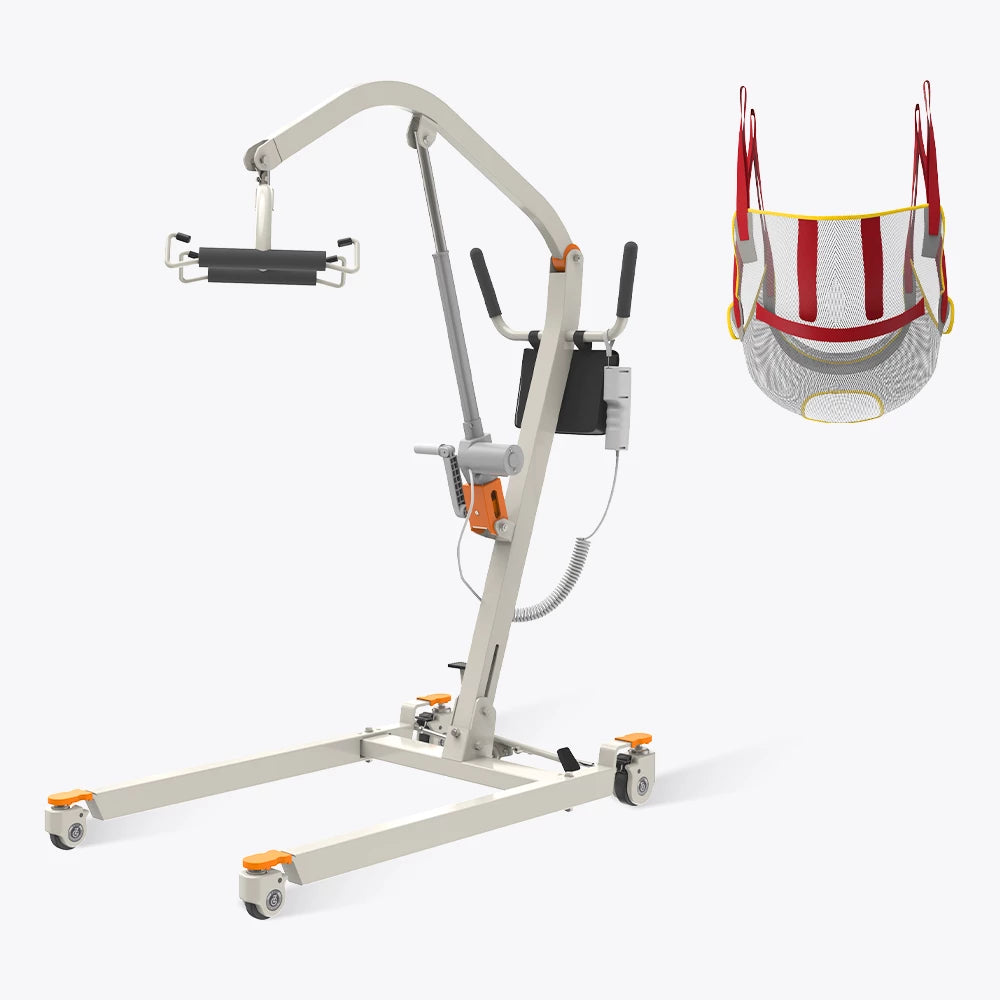
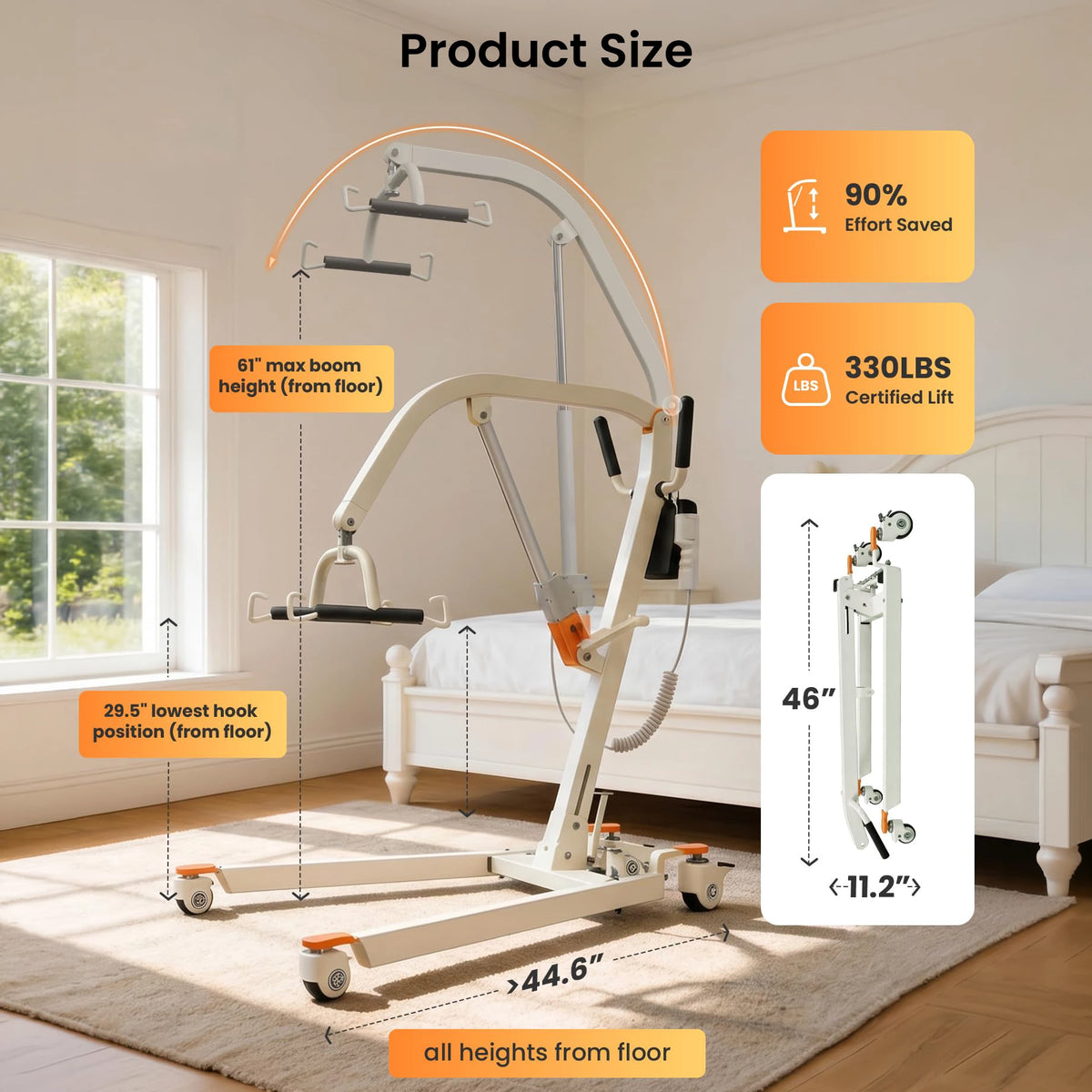
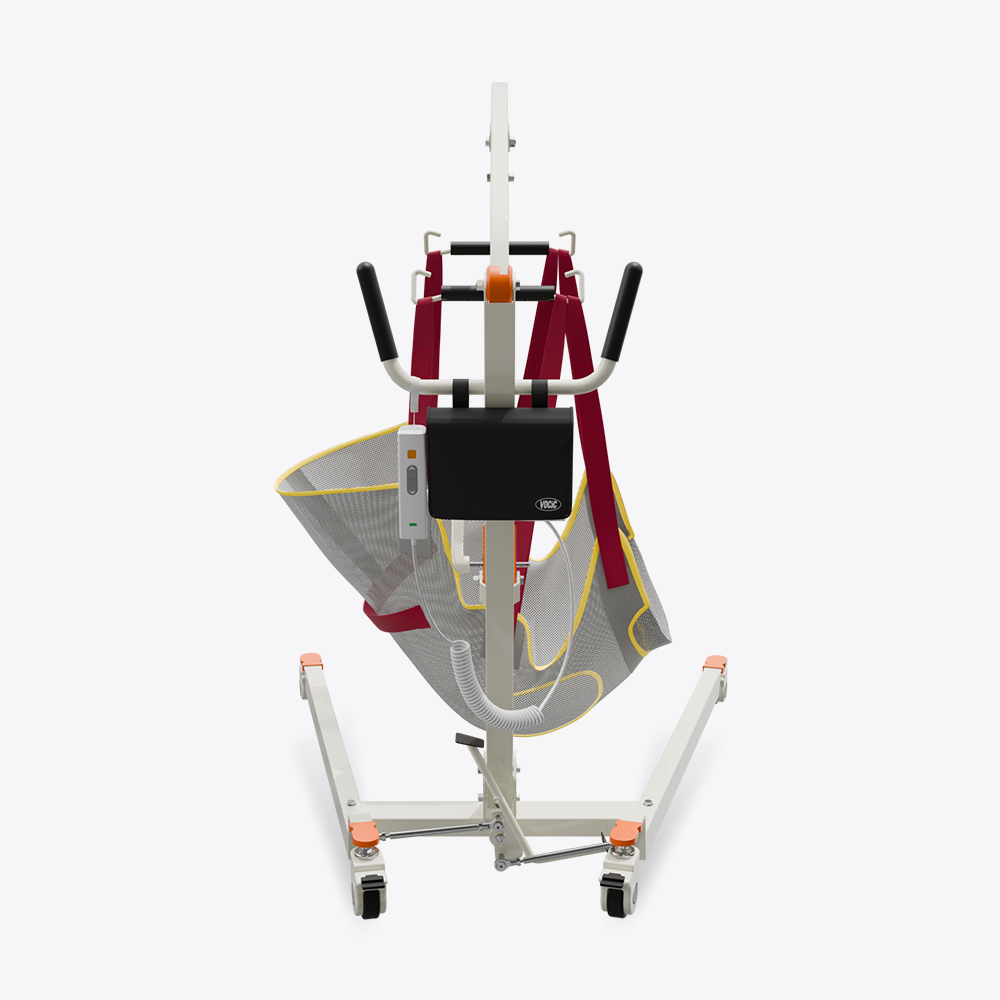
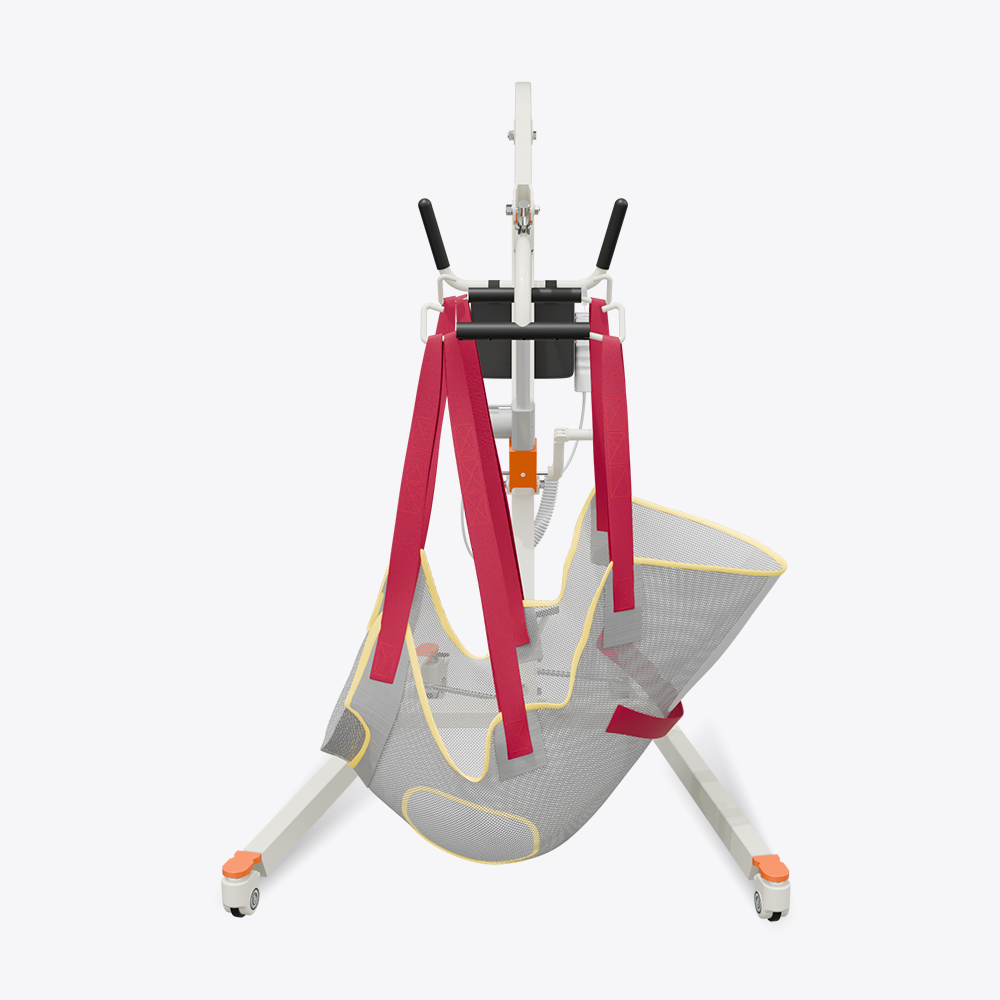




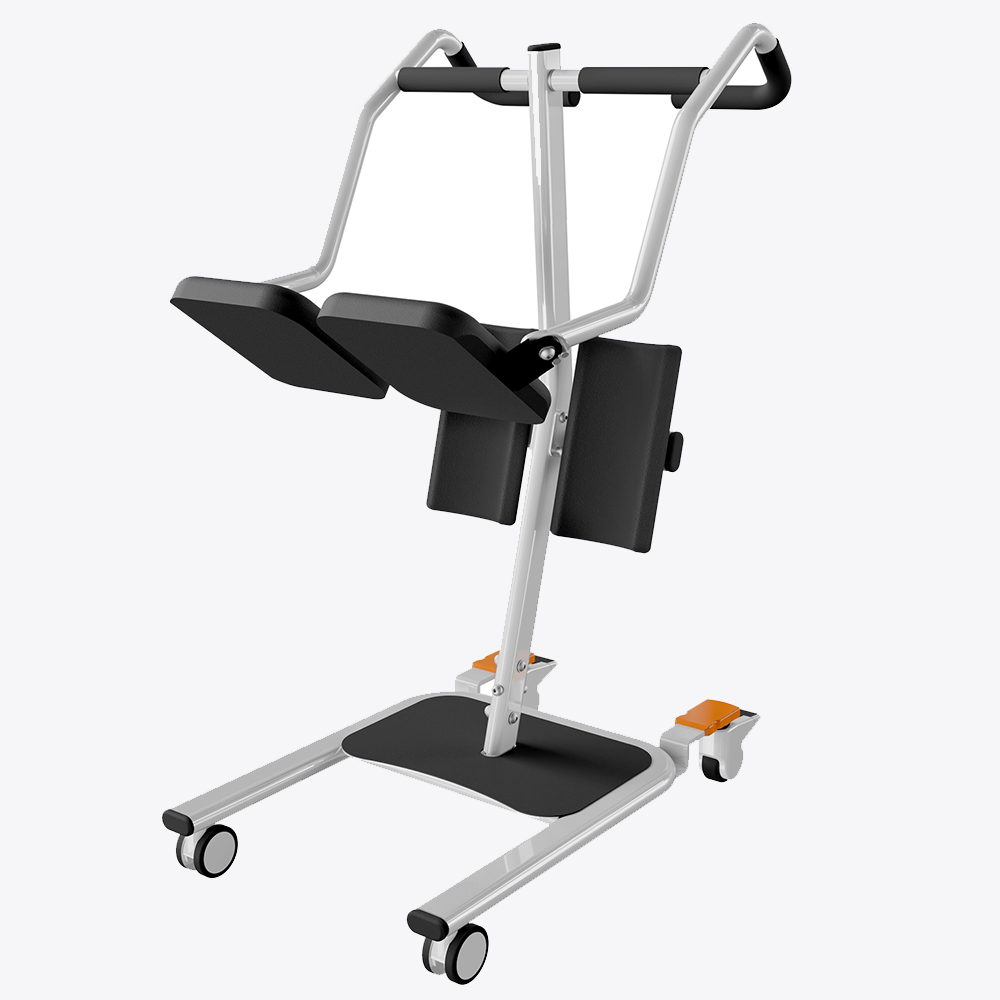
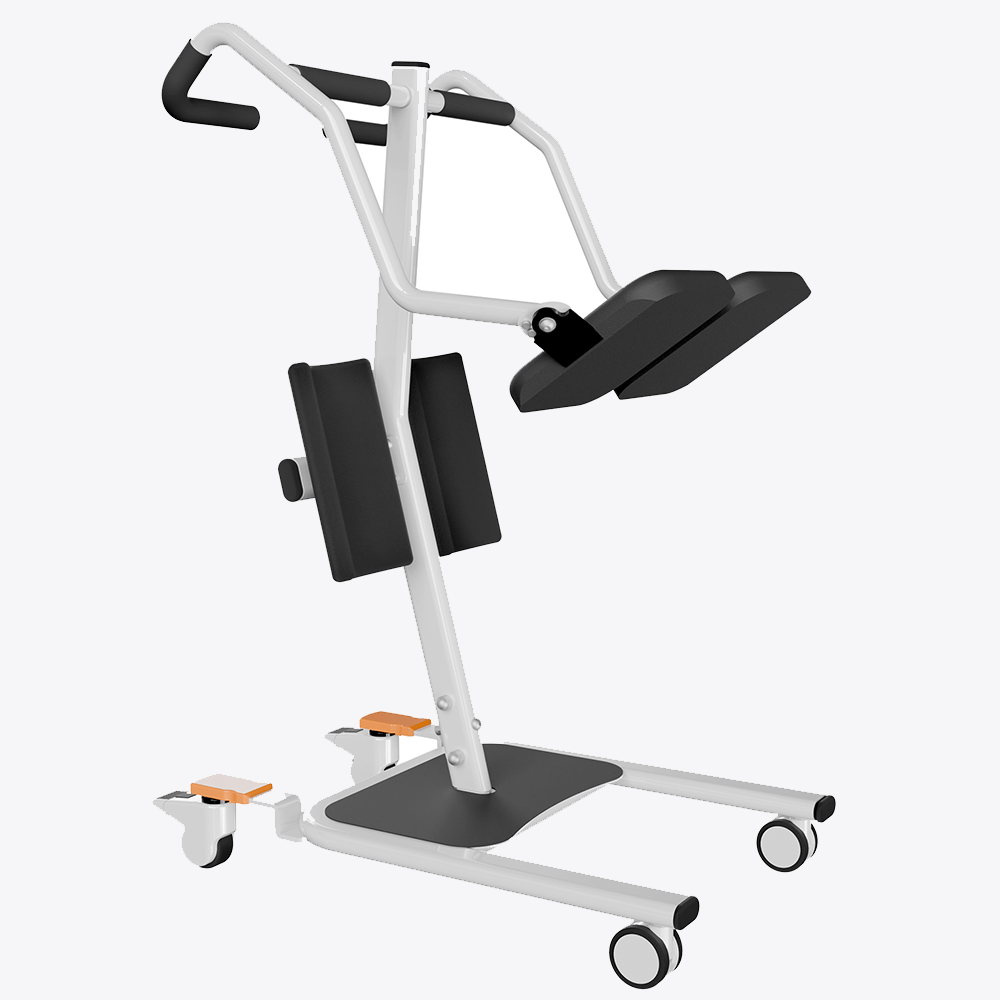
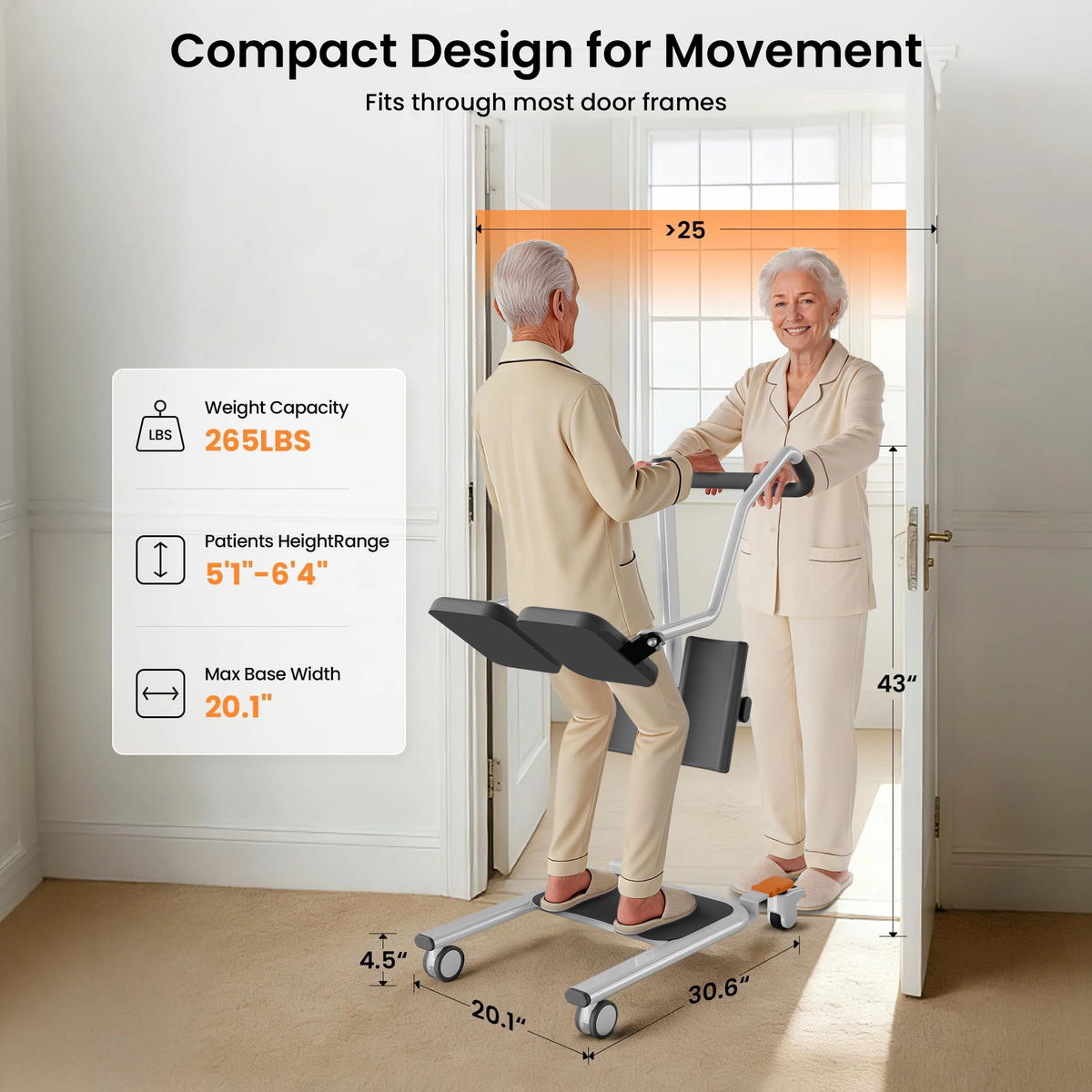
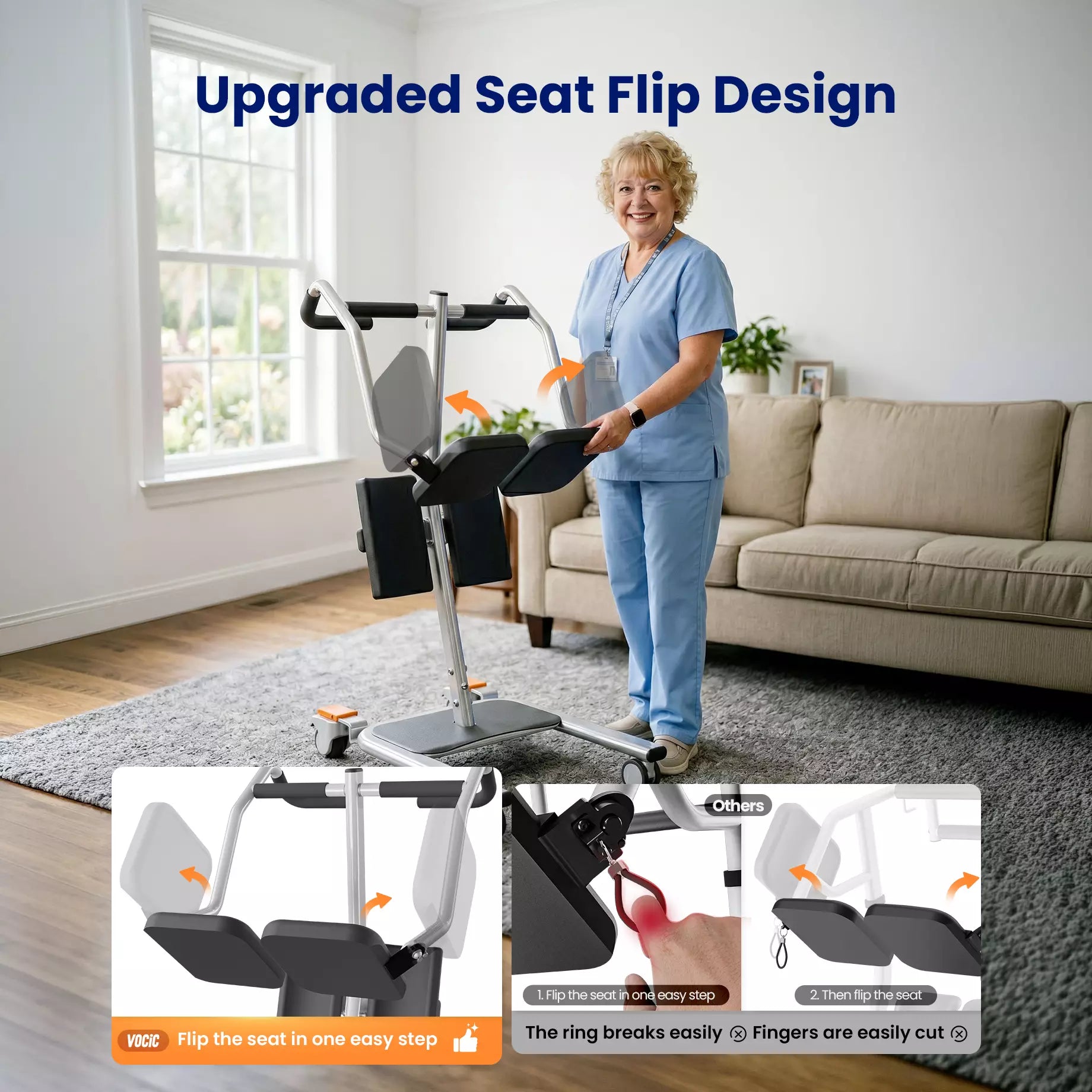
VOCIC AY13 Sit to Stand Assist Lift with Split Seat



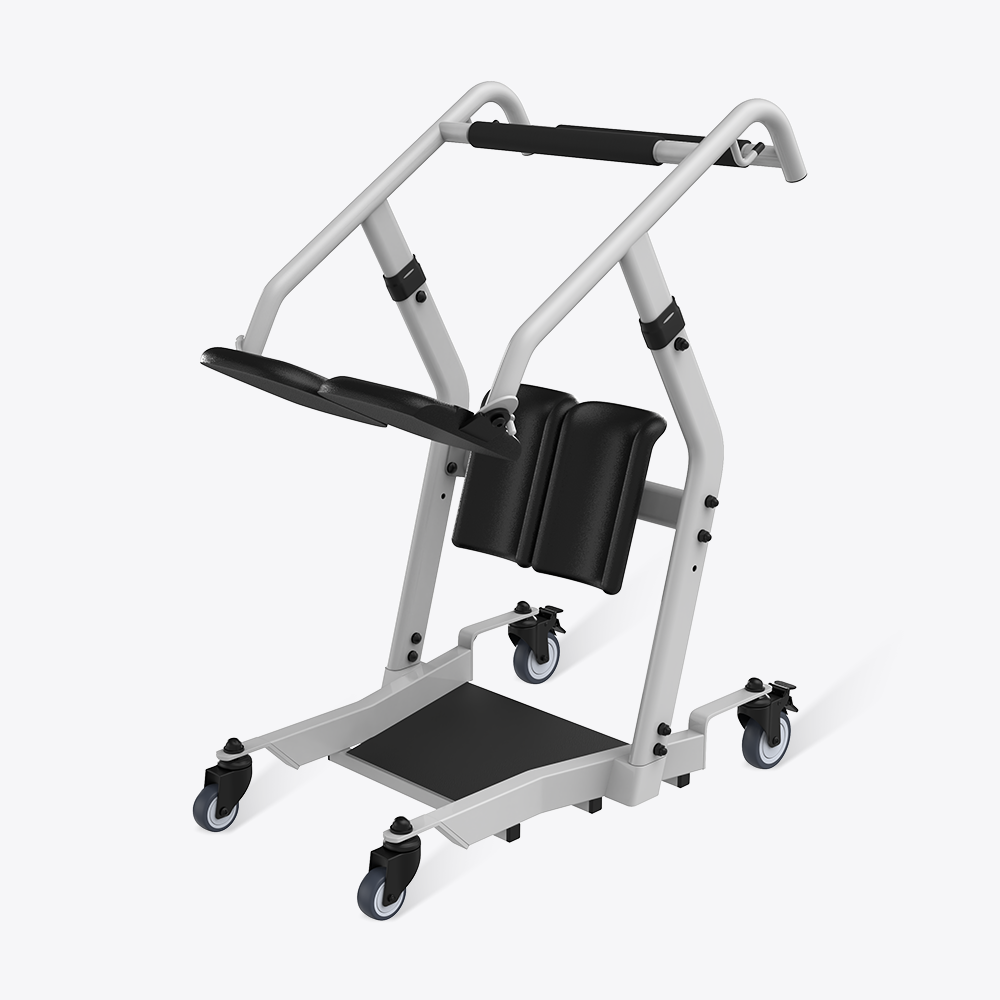
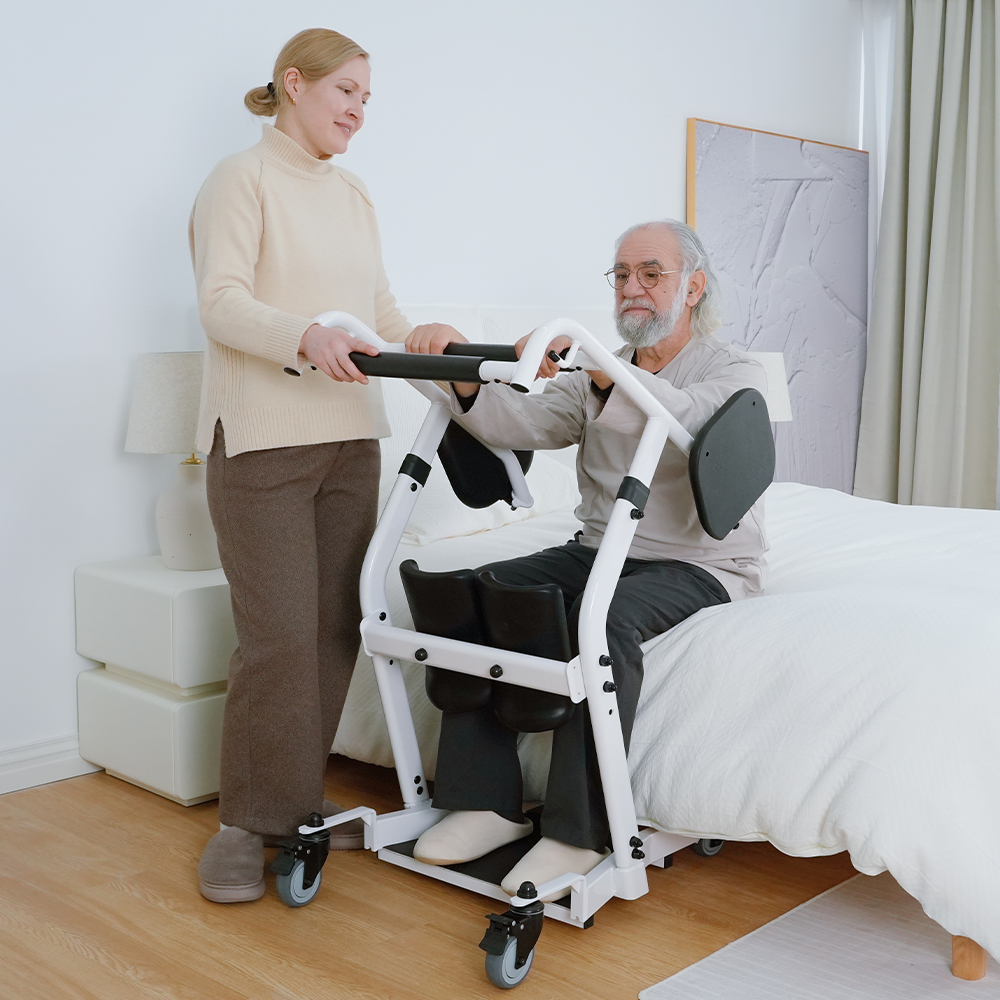
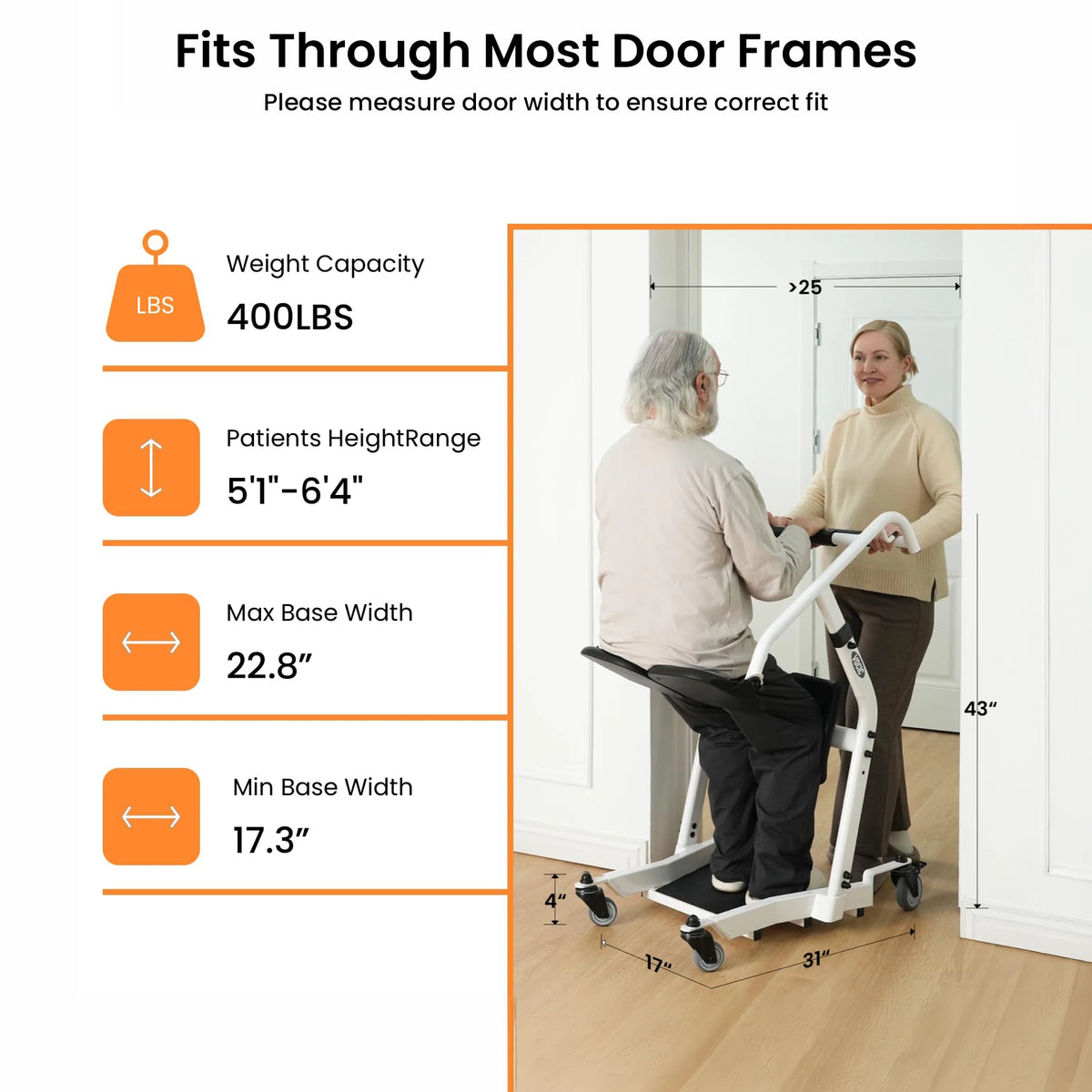
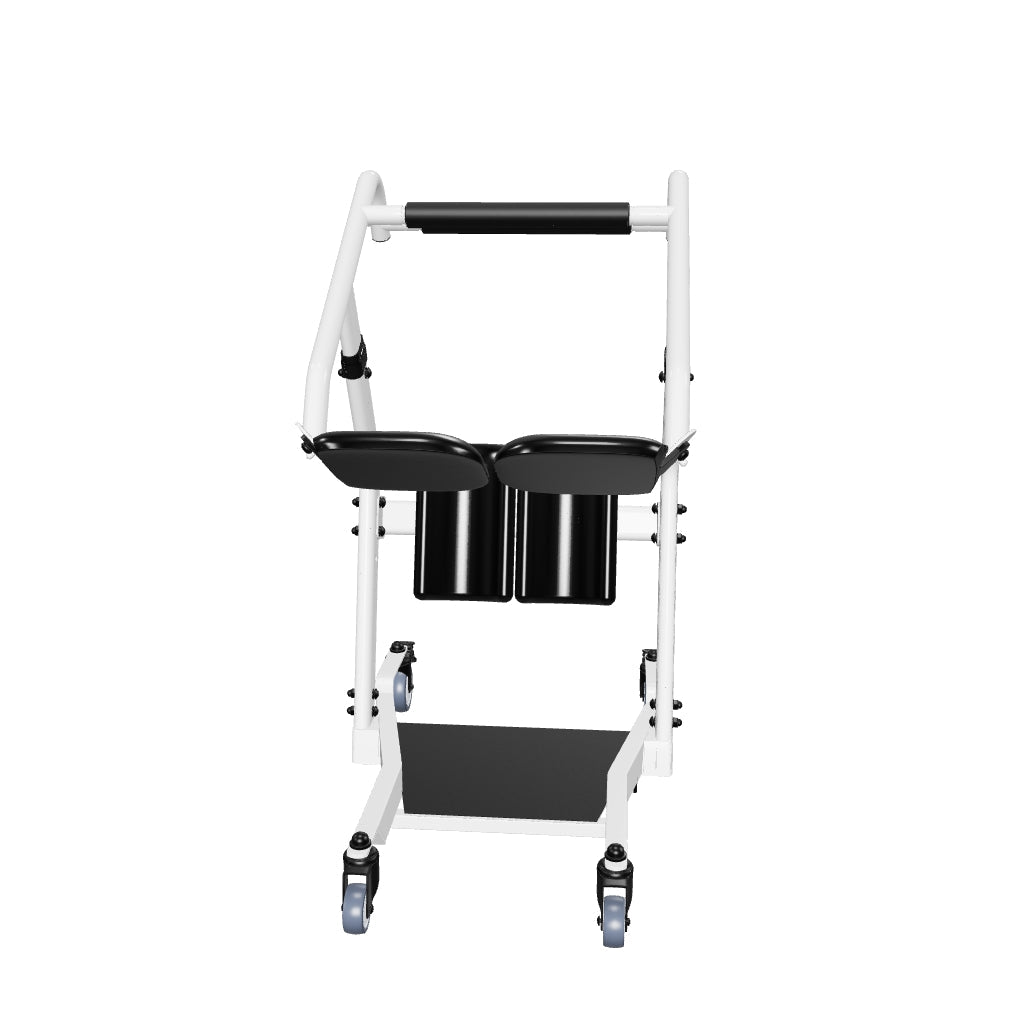
VOCIC Sit to Stand Lift Assist


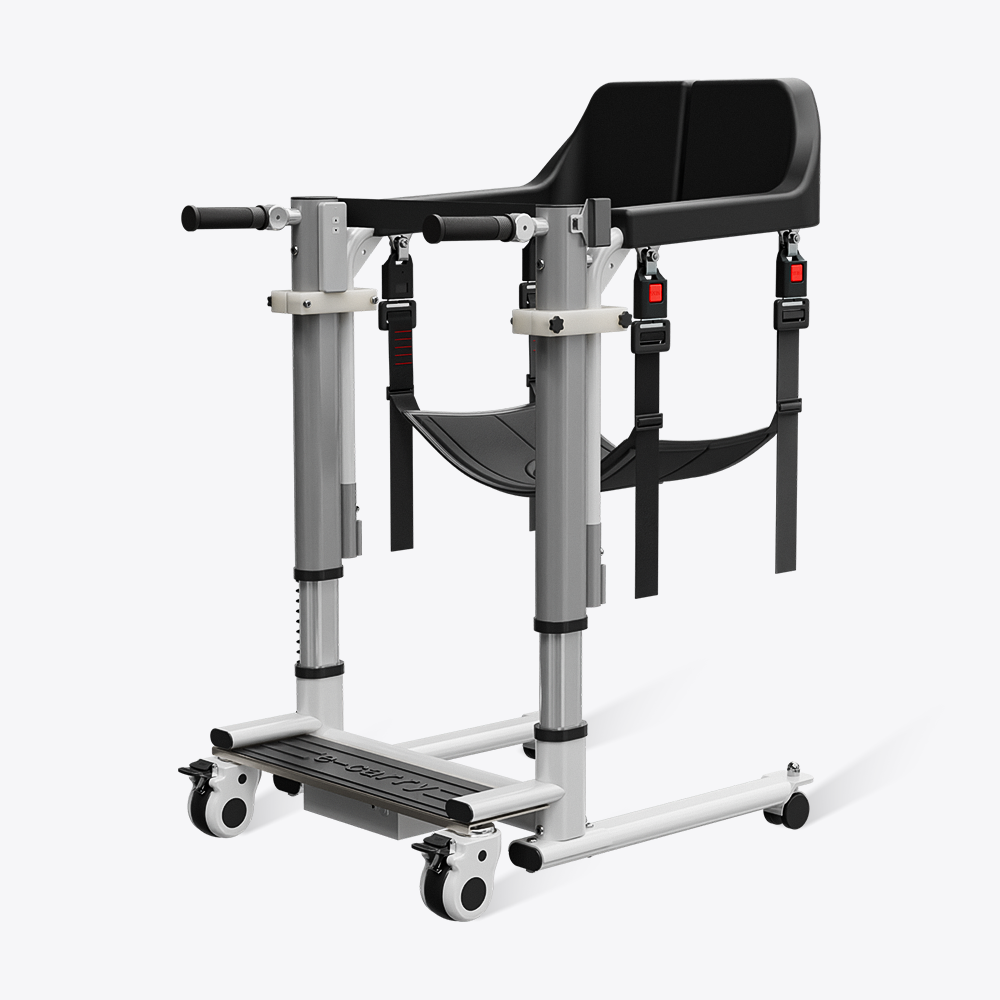
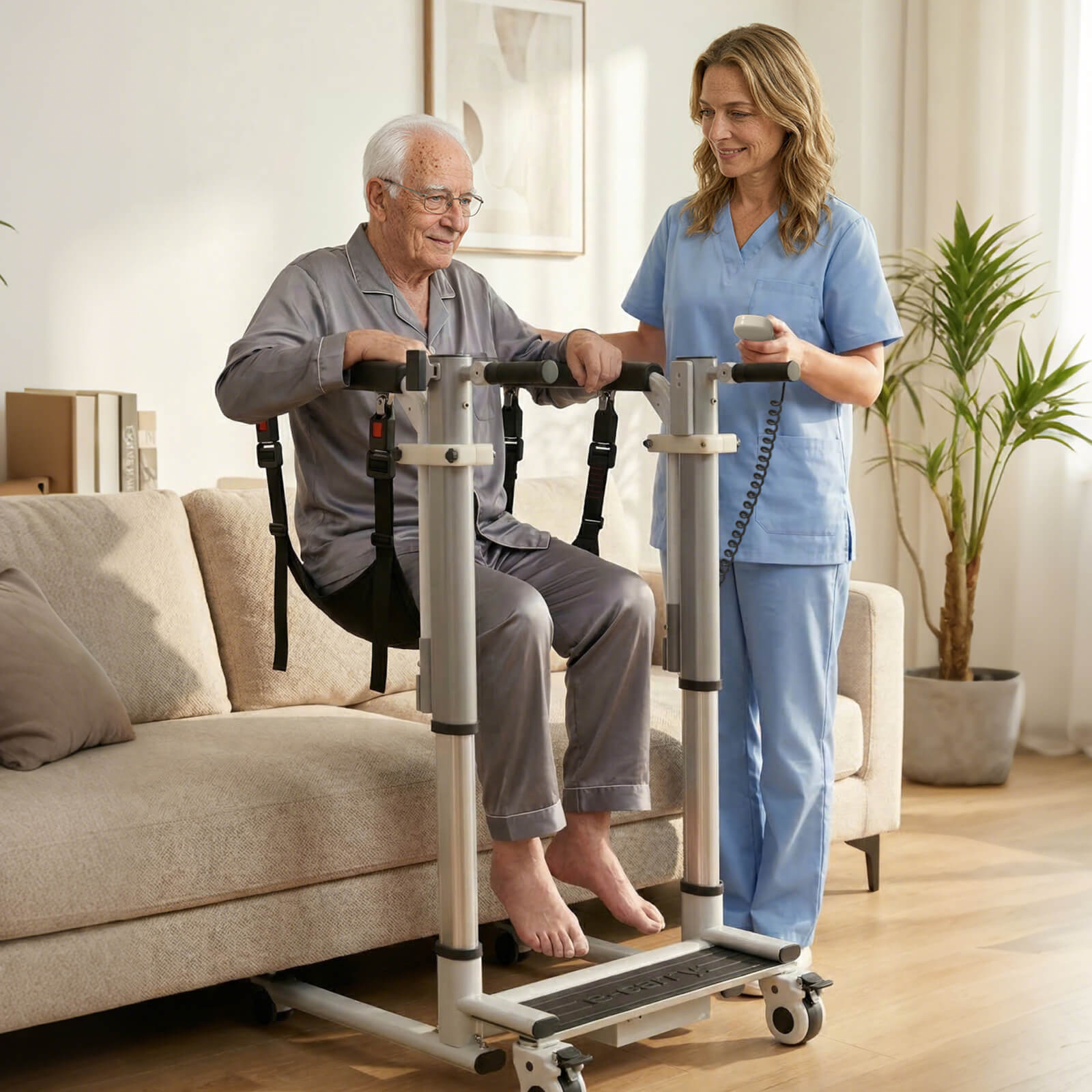

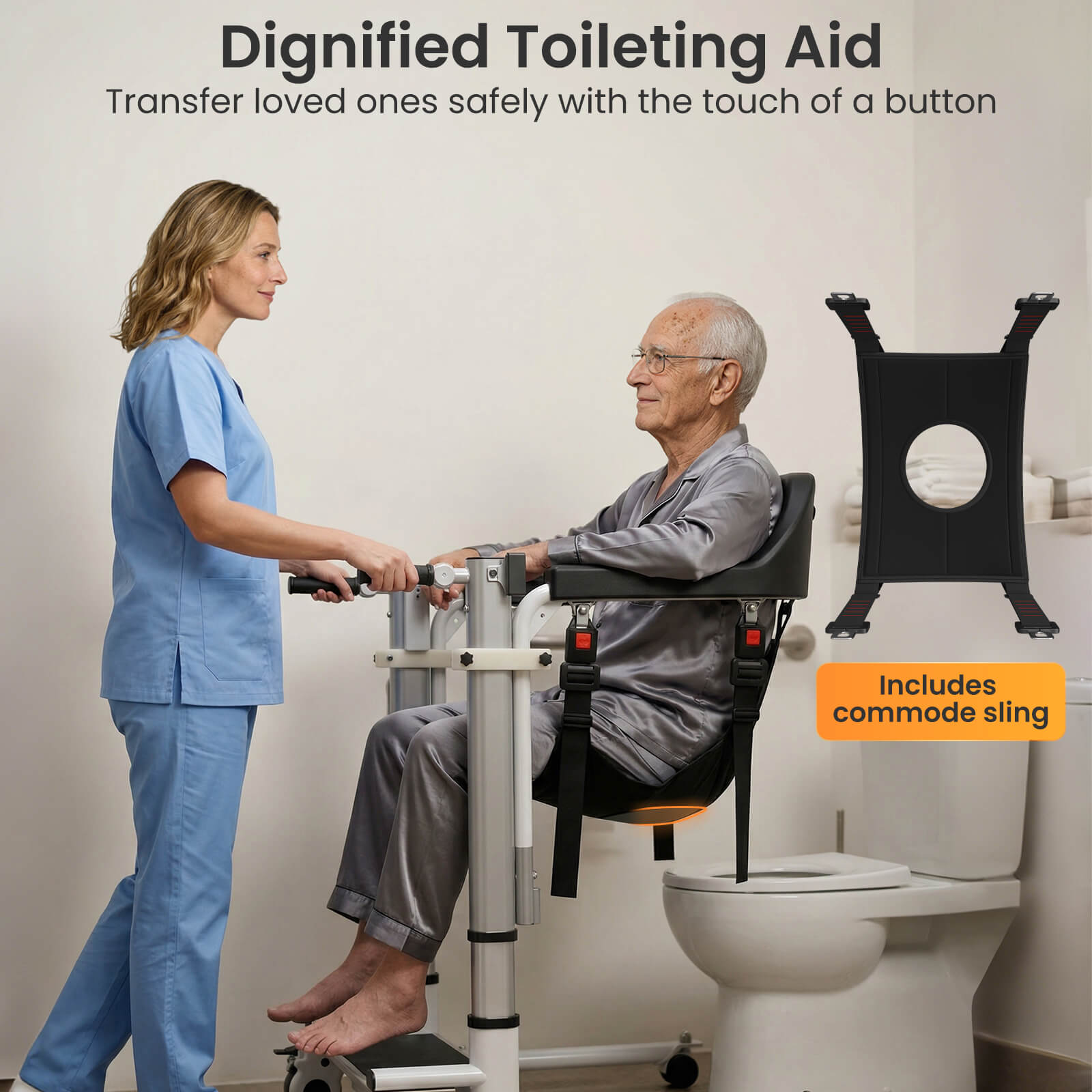
Patient Lifts Designed for Safer Home Transfers
Versatile Transfer Solutions
Durable & Easy to Operate
Effortless & Safe Nursing
Find More Transfer Solutions

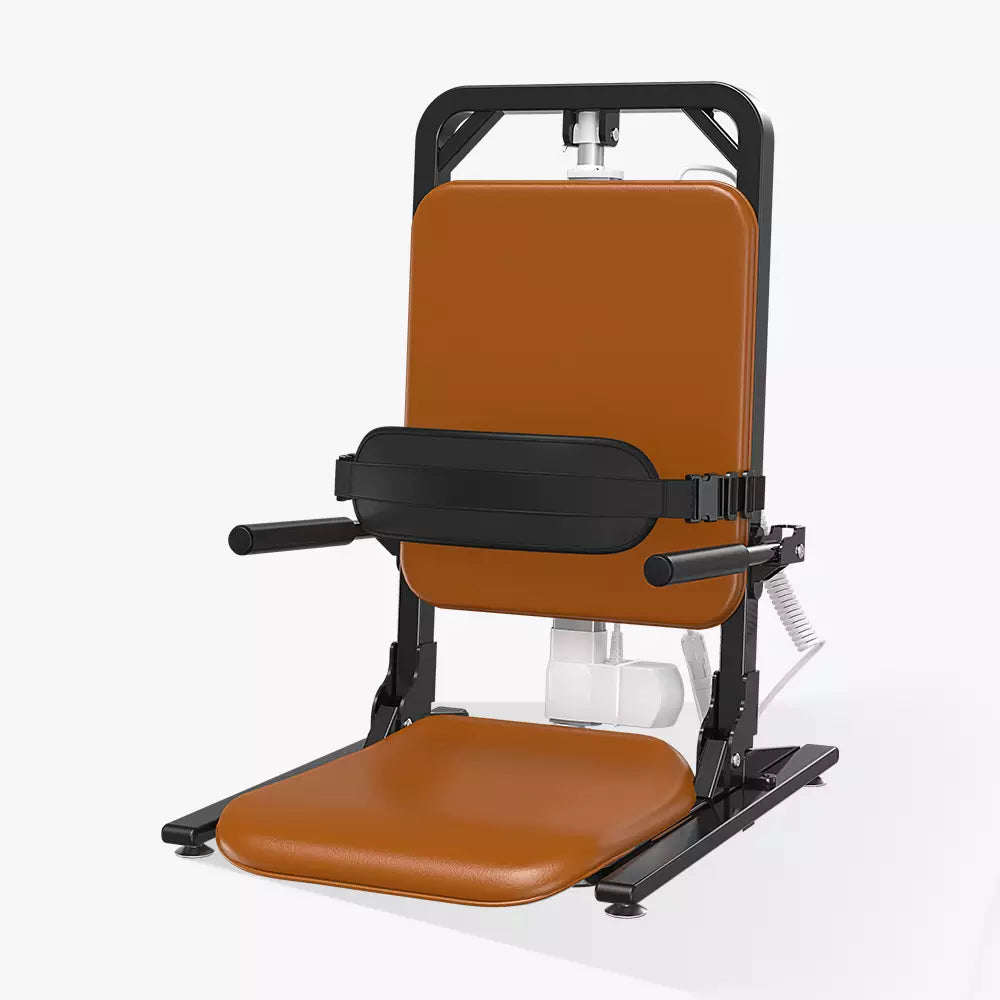
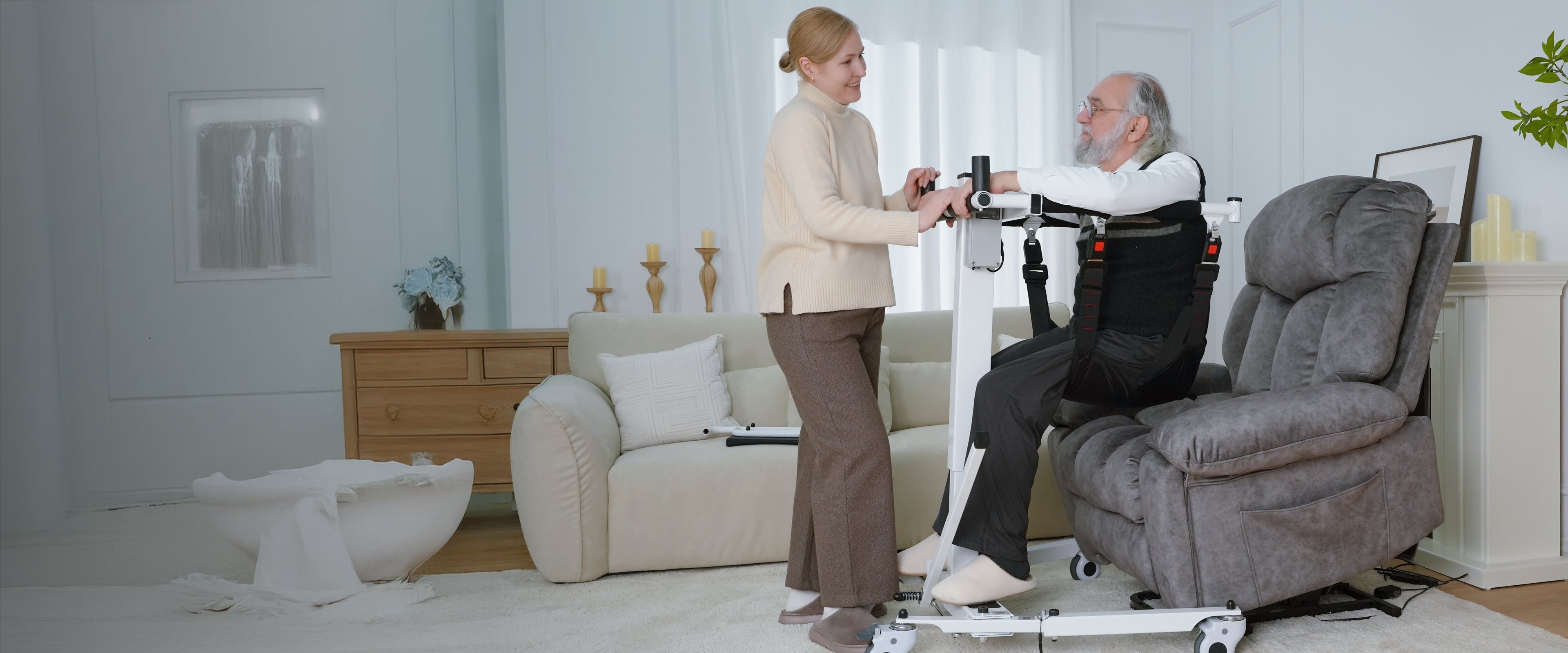
FAQs
How can I choose the right patient lift for home use?
Choosing the right patient lift for home use depends on a few key factors such as the patient's mobility, the available space, and the caregiver's ability to operate the equipment. If you need to lift a person from a bed to a chair, a Hoyer lift might be the best option. These lifts are designed to transfer patients who need full assistance safely. On the other hand, if the patient has some mobility and only needs assistance standing up, a sit-to-stand lift may be more suitable. It's important to evaluate the weight capacity of the lift as well, as different models can support different amounts of weight. Additionally, consider whether thelift chairneeds to be used in small spaces, as some models are more compact than others.
What distinguishes a Hoyer lift from a sit-to-stand lift?
A Hoyer lift is typically designed to fully lift a patient off the ground and transfer them from one place to another. It’s ideal for individuals who are completely immobile or require substantial assistance. This type of lift has a sling that supports the patient’s full body weight. Conversely, a sit-to-stand lift is meant for patients who can still bear some weight on their legs but need support when rising from a seated position. It allows the patient to use their legs to help stand, which may promote greater independence and reduce muscle atrophy.
What are the benefits of using a patient lift transfer chair?
A transfer chair provides a safer and more efficient way to move patients between seated positions, such as from a wheelchair to a bed or toilet. A patient lift transfer chair is often more portable, easier to use in tight spaces, and allows for quick transfers. This can be especially helpful for patients who have some mobility and can participate in their transfer. While some kind ofpatient transfer deviceprovides greater safety and support for immobile patients, a transfer chair can be a great choice for those with partial independence.
How much weight can a patient lift transfer chair typically handle?
The weight capacity of patient lifts can vary, but most models can handle between 300 to 600 pounds. It’s essential to verify the weight limit before purchasing, as a lift that exceeds the patient’s weight can cause safety concerns or even failure. Hoyer lifts tend to have higher weight capacities compared to sit-to-stand lifts, as they are designed to handle the full weight of the patient. When choosing a lift, consider the patient's weight and ensure that the lift you choose is rated for more than the patient’s weight for added safety.
What’s the best way to train a caregiver or family member to use a Hoyer lift?
Training a caregiver to use a care lift properly is crucial to ensure both patient and caregiver safety. The caregiver should first become familiar with the lift’s instructions, including how to safely attach the sling, how to lift the patient, and how to move the lift. Caregivers must be comfortable with the mechanics of the lift, as improper use could lead to injury. Training should also include demonstrating how to position the patient in the sling, checking for any signs of discomfort, and performing the lift in a smooth, controlled manner. Ideally, the caregiver should practice using the Hoyer patient lift or sit-to-stand lift with a dummy or during a supervised training session.
How do I safely use a patient lift transfer chair?
To safely use a patient lift transfer chair, ensure the patient is properly positioned in the chair before moving. Make sure the chair is locked and stable. You should also use the transfer chair in a way that minimizes any jerking motions to prevent injury to both the patient and caregiver. Ensure that the patient is positioned securely in the chair, with their legs supported if needed. When lifting, be mindful of your own posture and mechanics to avoid straining yourself. It's important to regularly check the transfer chair’s components for wear and tear and replace parts if necessary.
Which features are essential for a patient lift transfer chair to prevent injury?
When using a patient lift, several safety features are important to ensure both the caregiver and patient remain safe. First, the lift should have a stable base with non-slip wheels to prevent it from tipping. Additionally, Hoyer patient lifts and sit-to-stand lifts should have secure slings that prevent the patient from sliding or falling out during the transfer.
A high-quality lift should also feature emergency stop functions, as well as weight sensors to ensure that the lift is not overloaded. For patient transfer devices with electric controls, having a manual backup system is crucial in case of power failure. Finally, all caregivers and family members should receive adequate training on the safe operation of the lift to prevent accidents.
Our best sellers
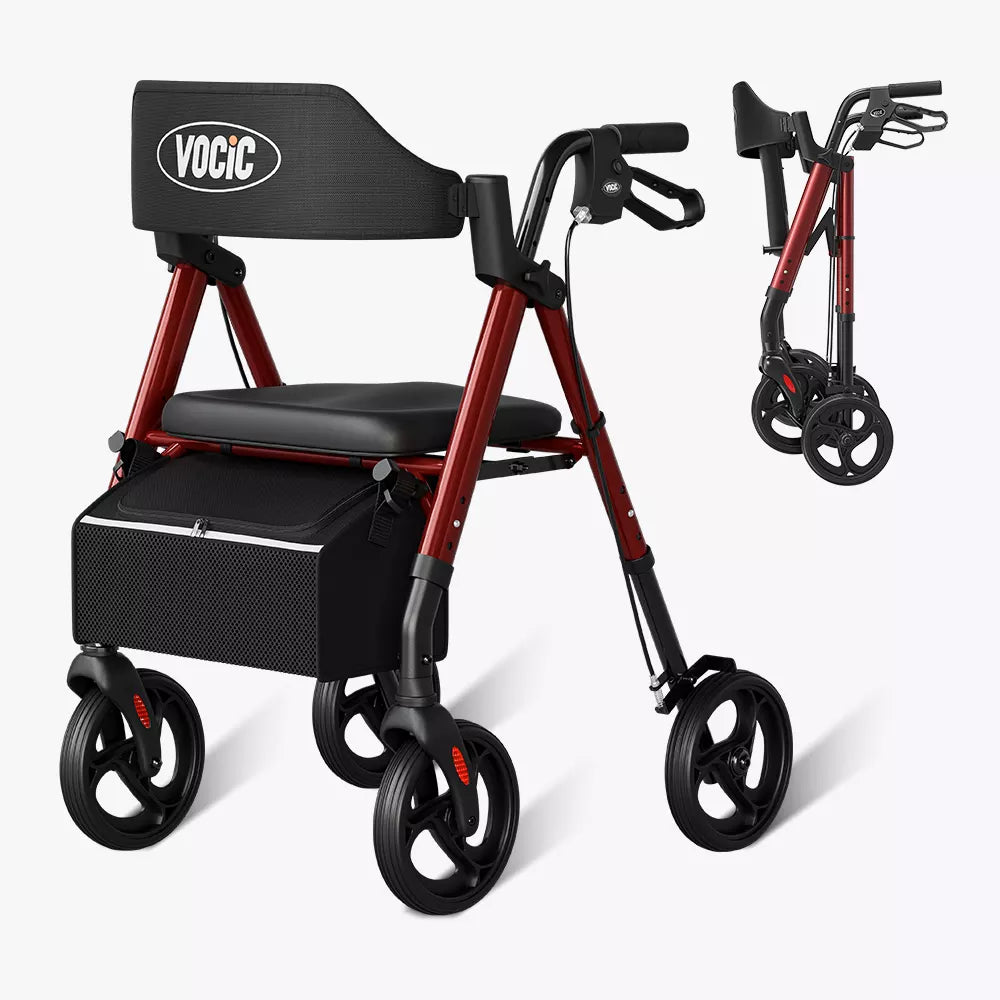




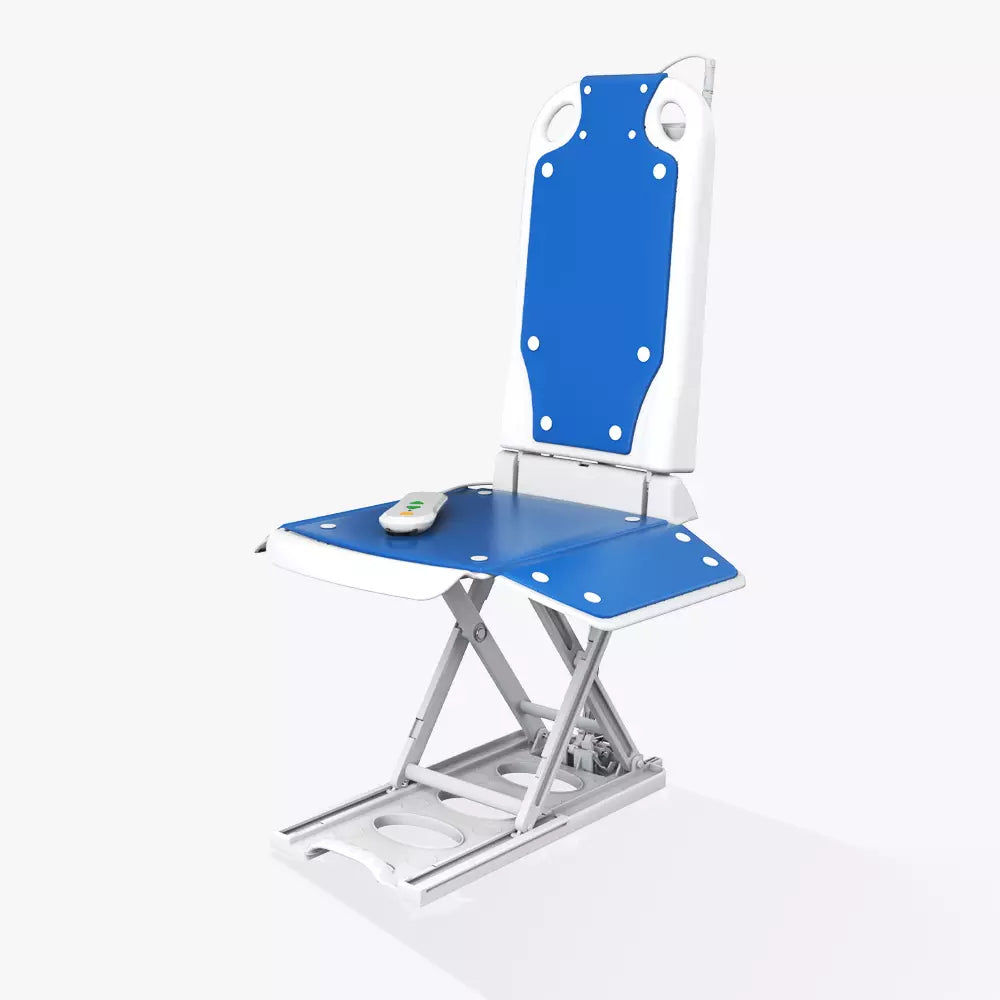
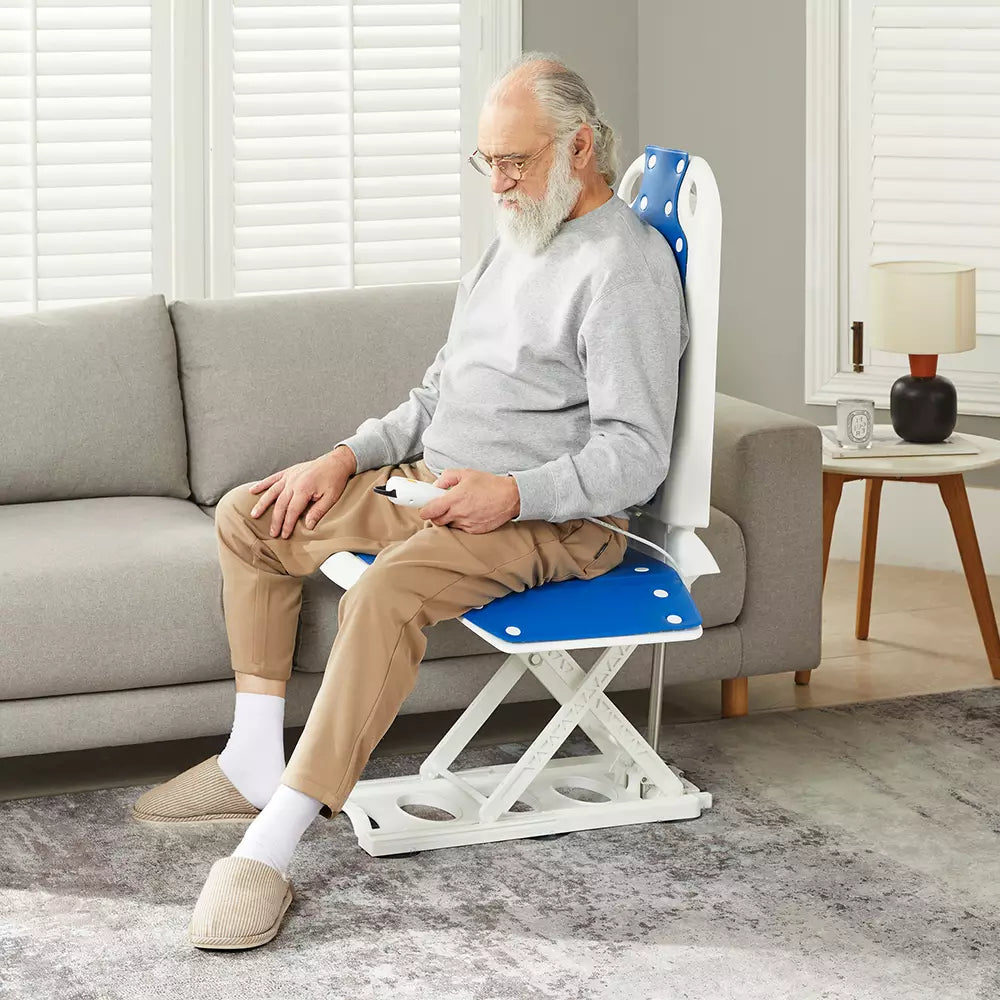


VOCIC AX08 Electric Chair Lift




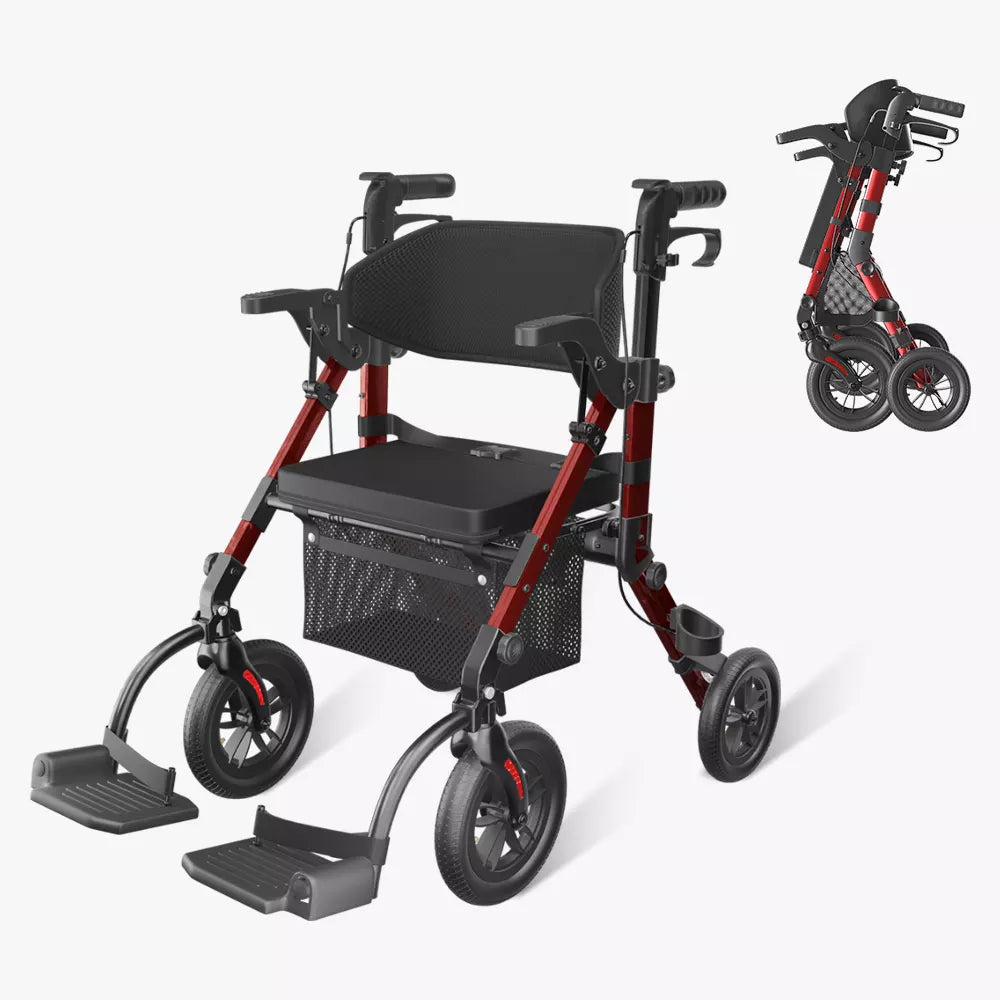
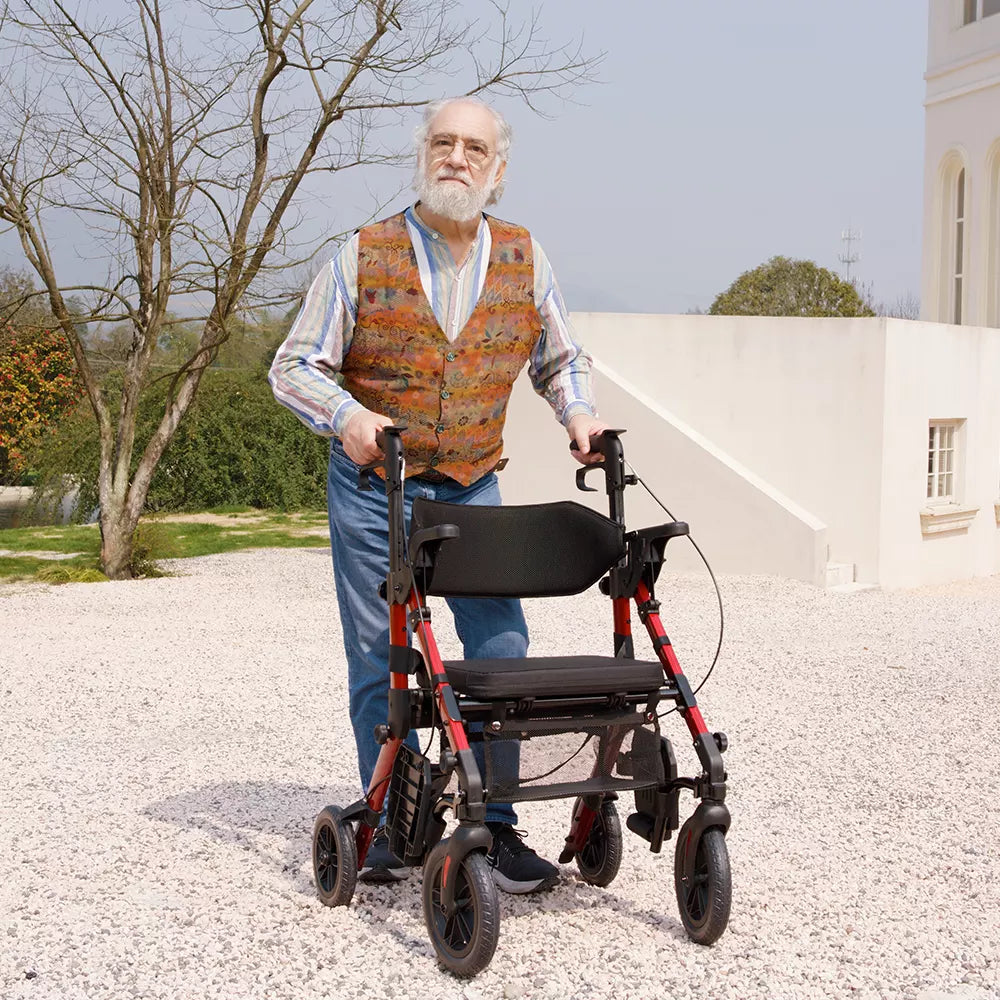
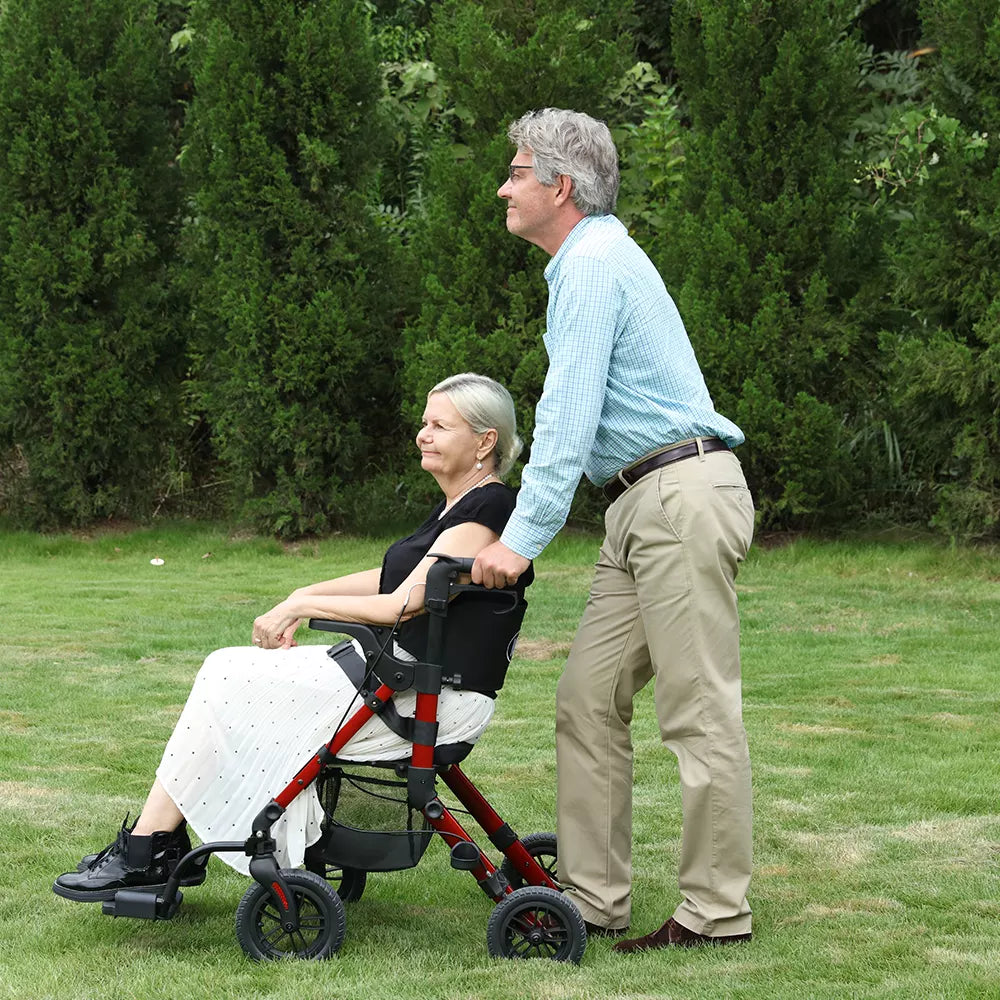
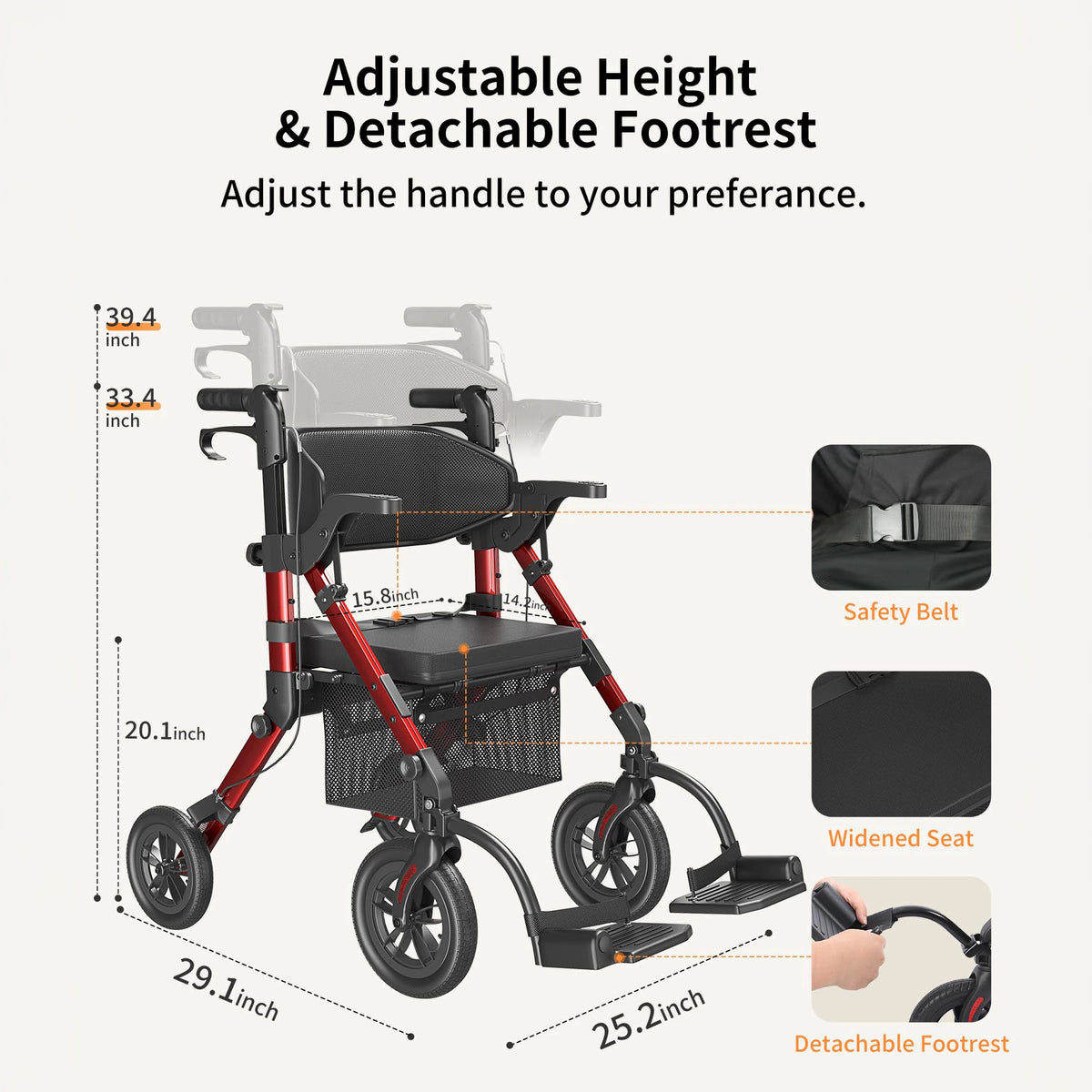
VOCIC Z51 All Terrain 2 in 1 Walker Wheelchair Combo




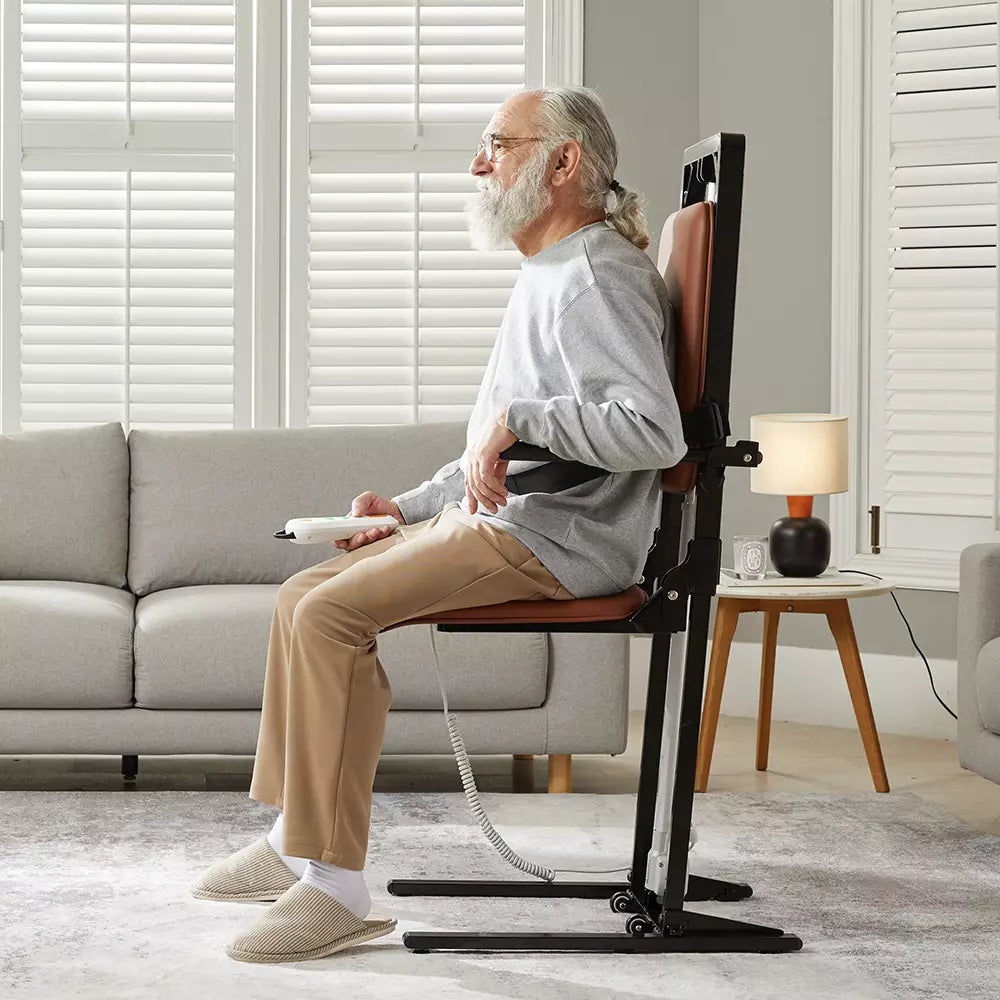
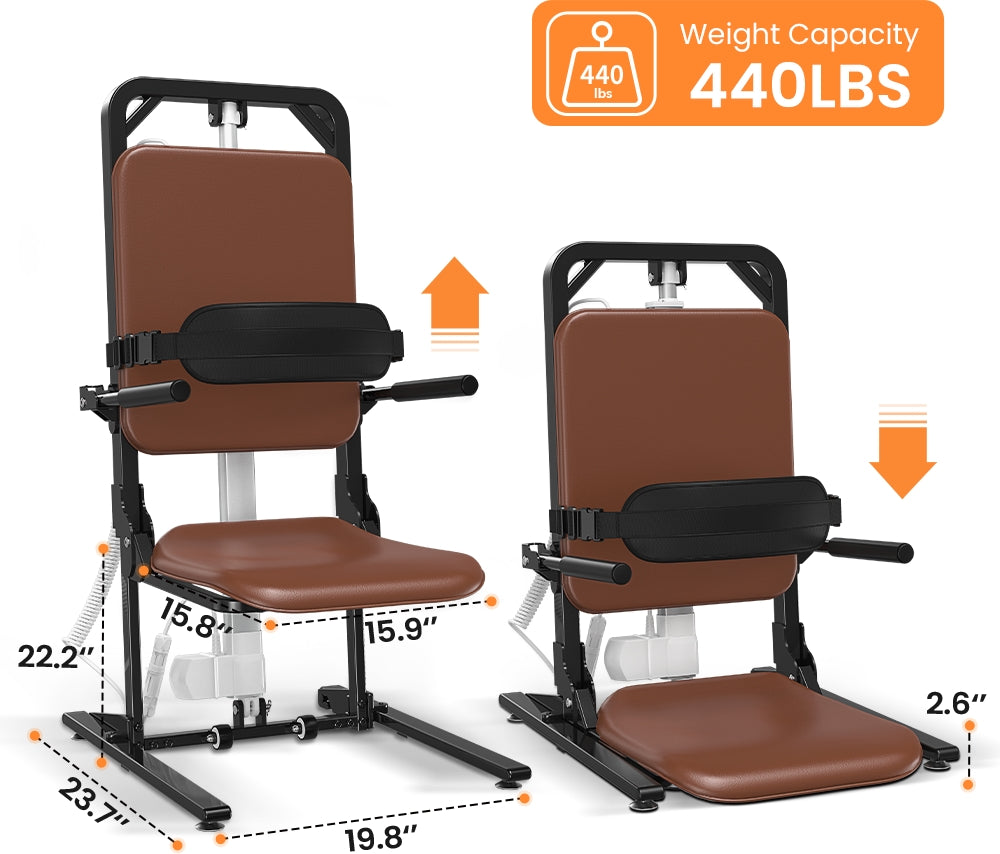

MAIDeSITe® AX05 Heavy Duty Electric Chair Lift

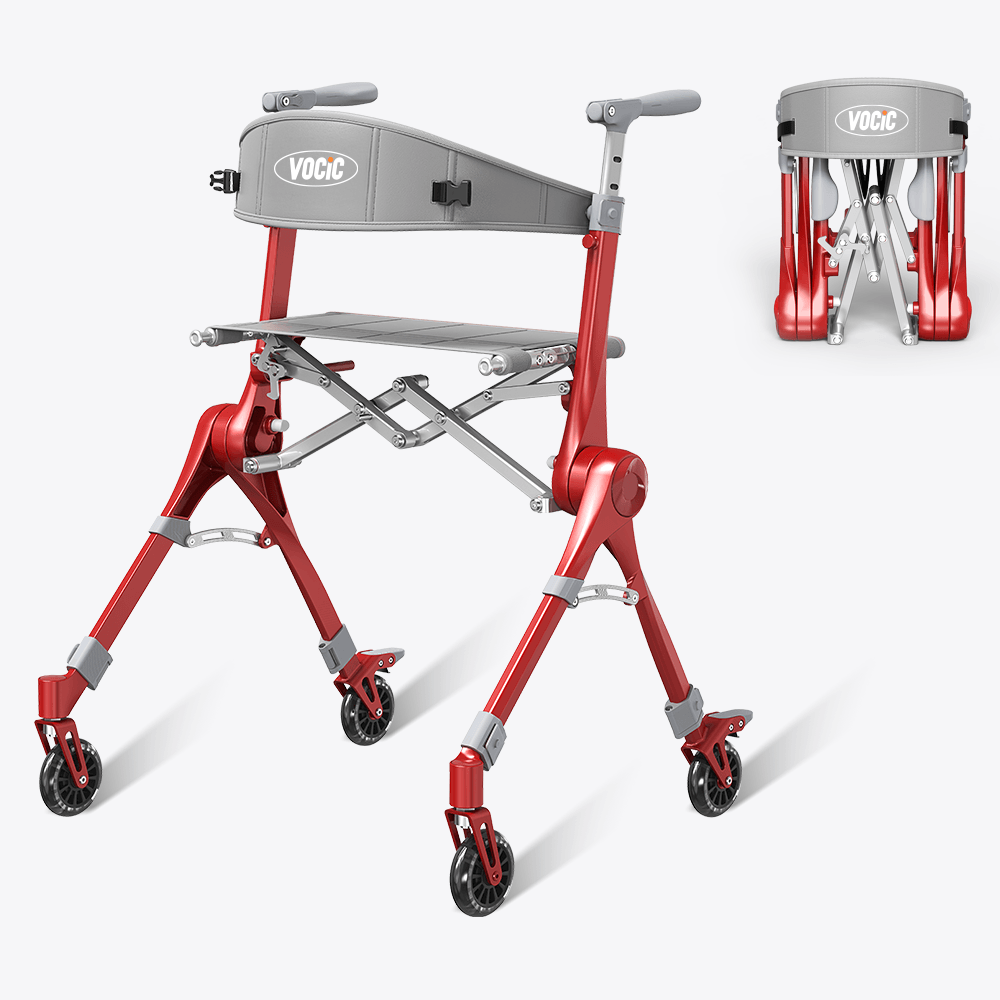

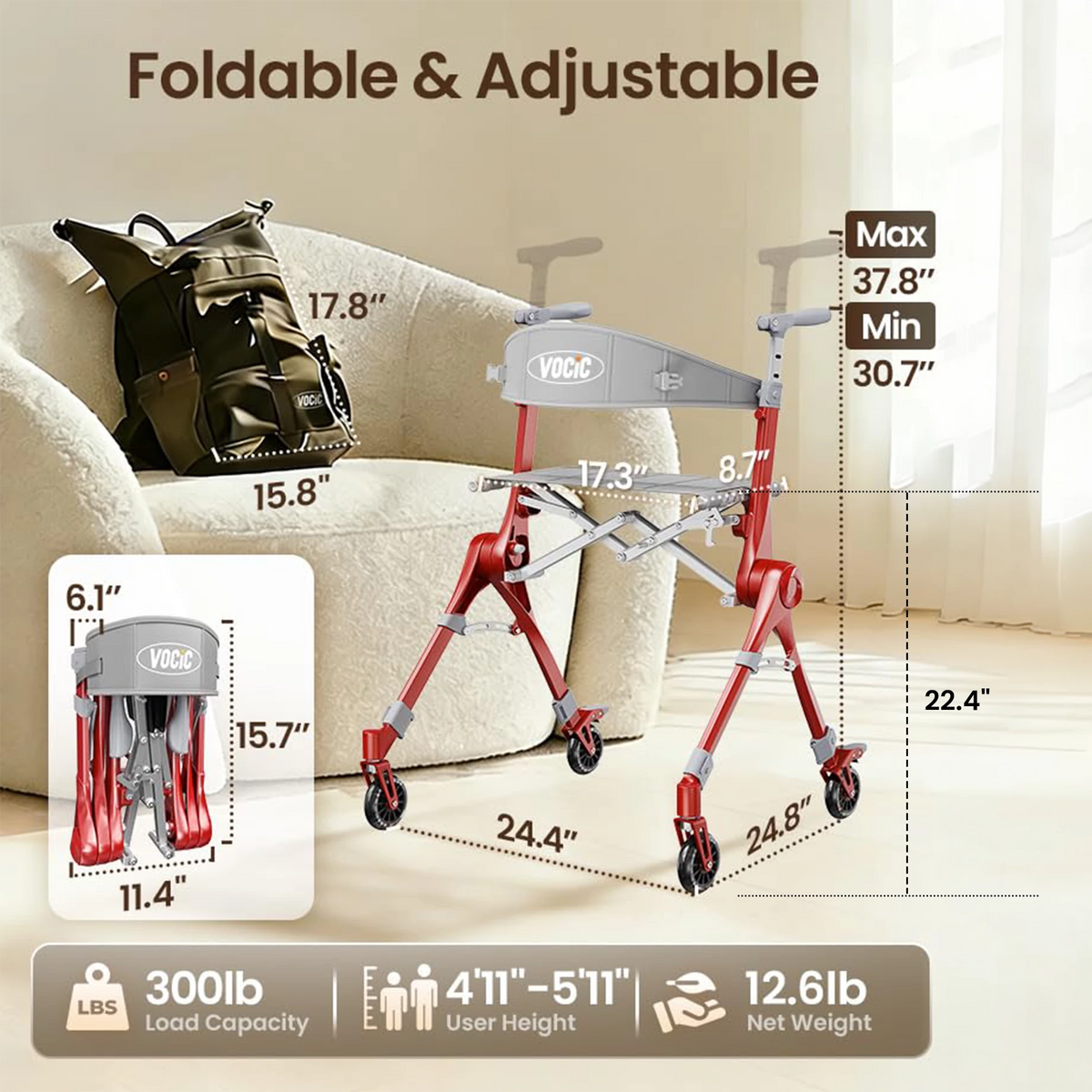
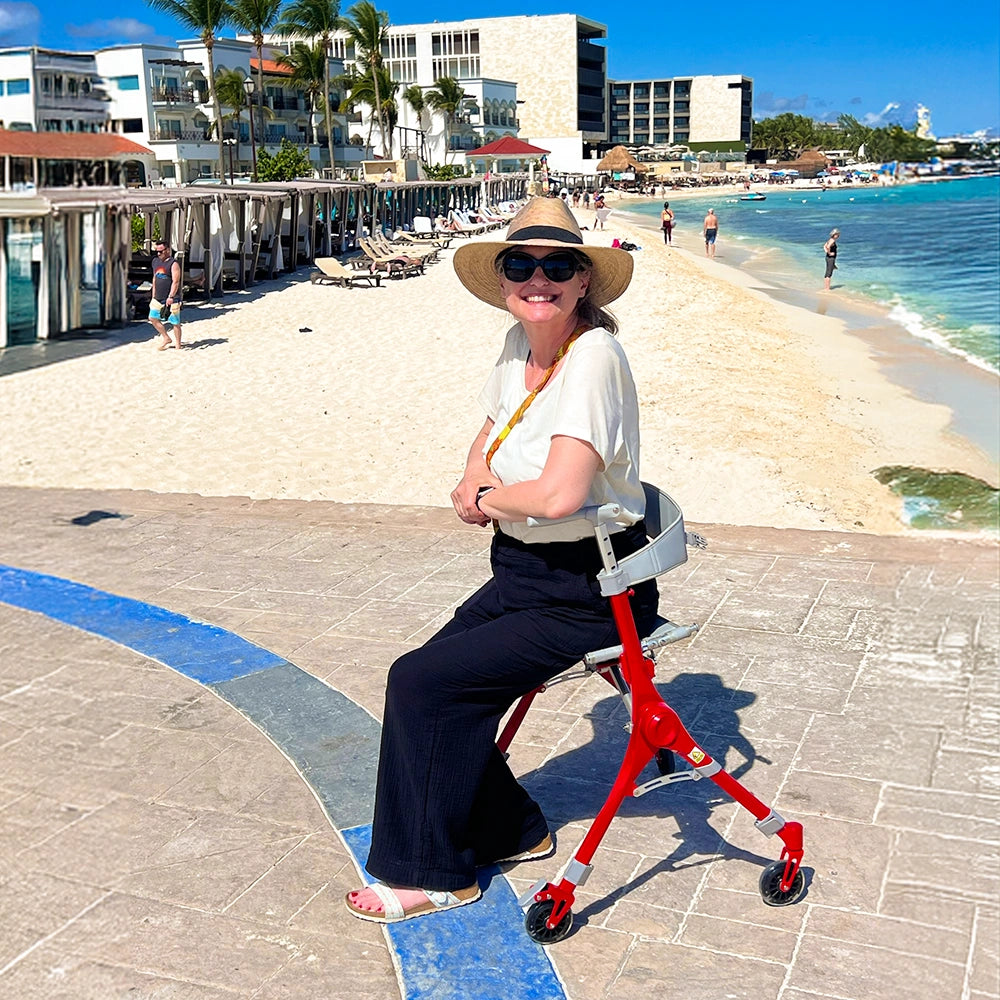
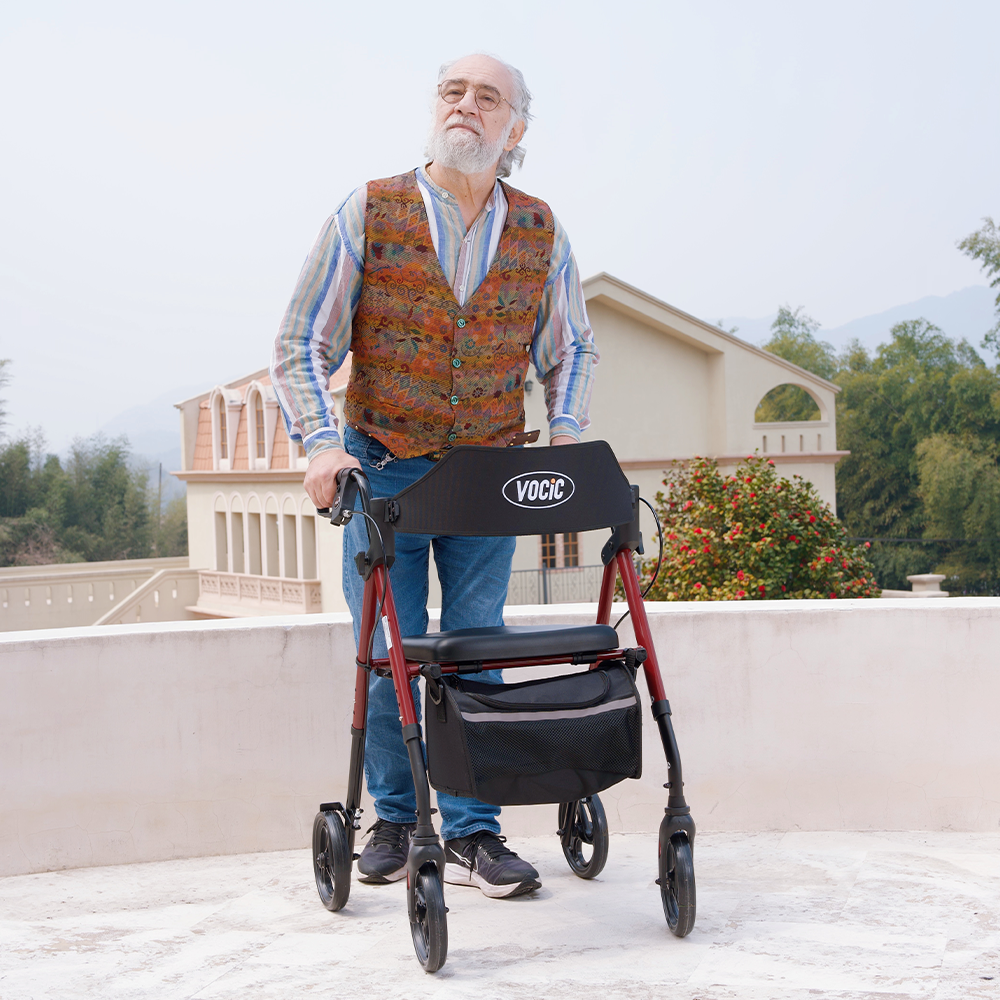
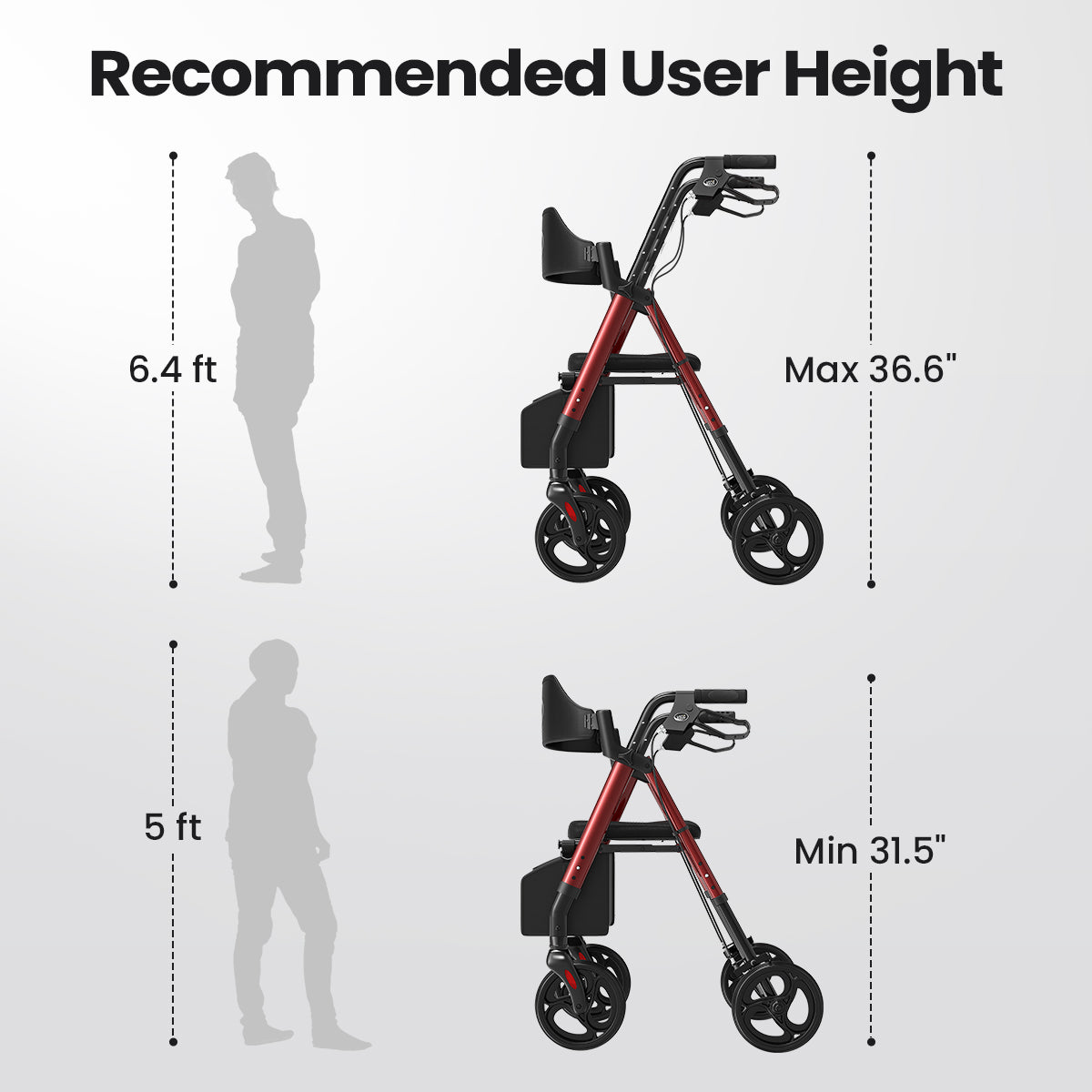
VOCIC Z35 PackGo Foldable Lightweight Rollator Walker



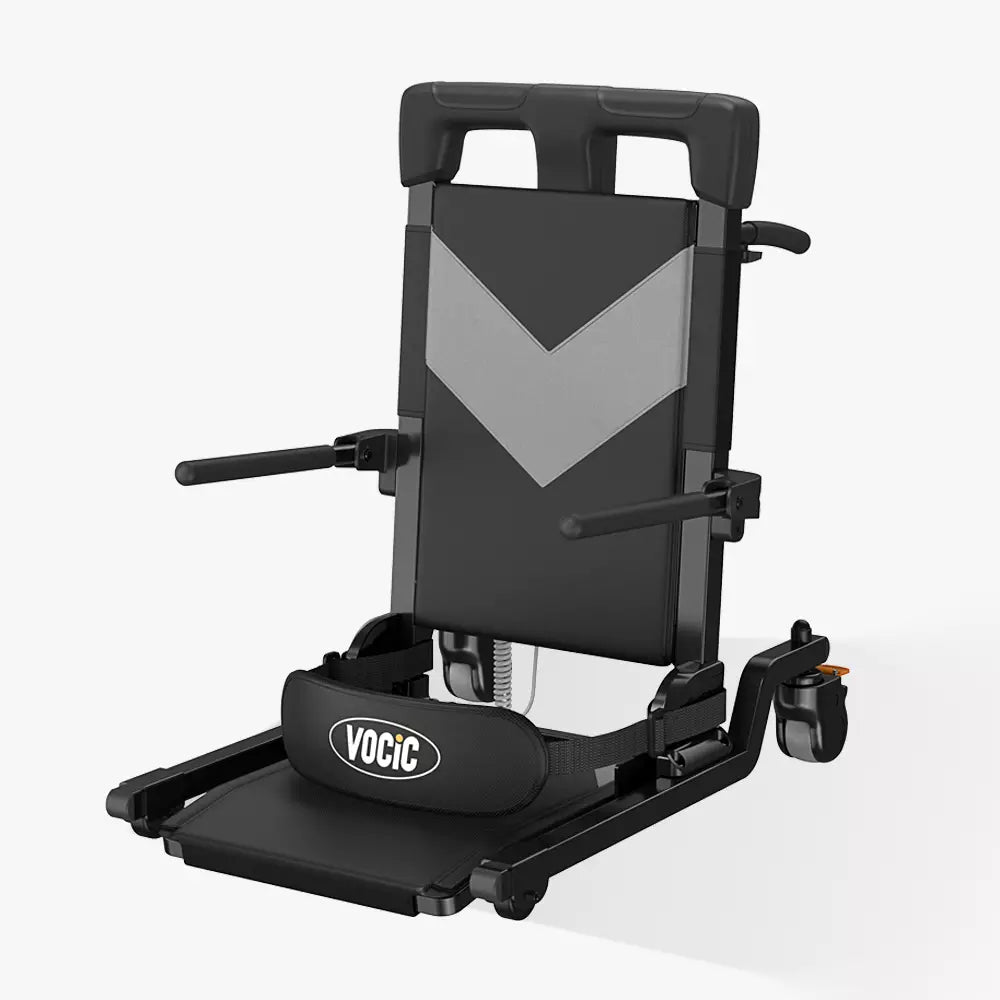
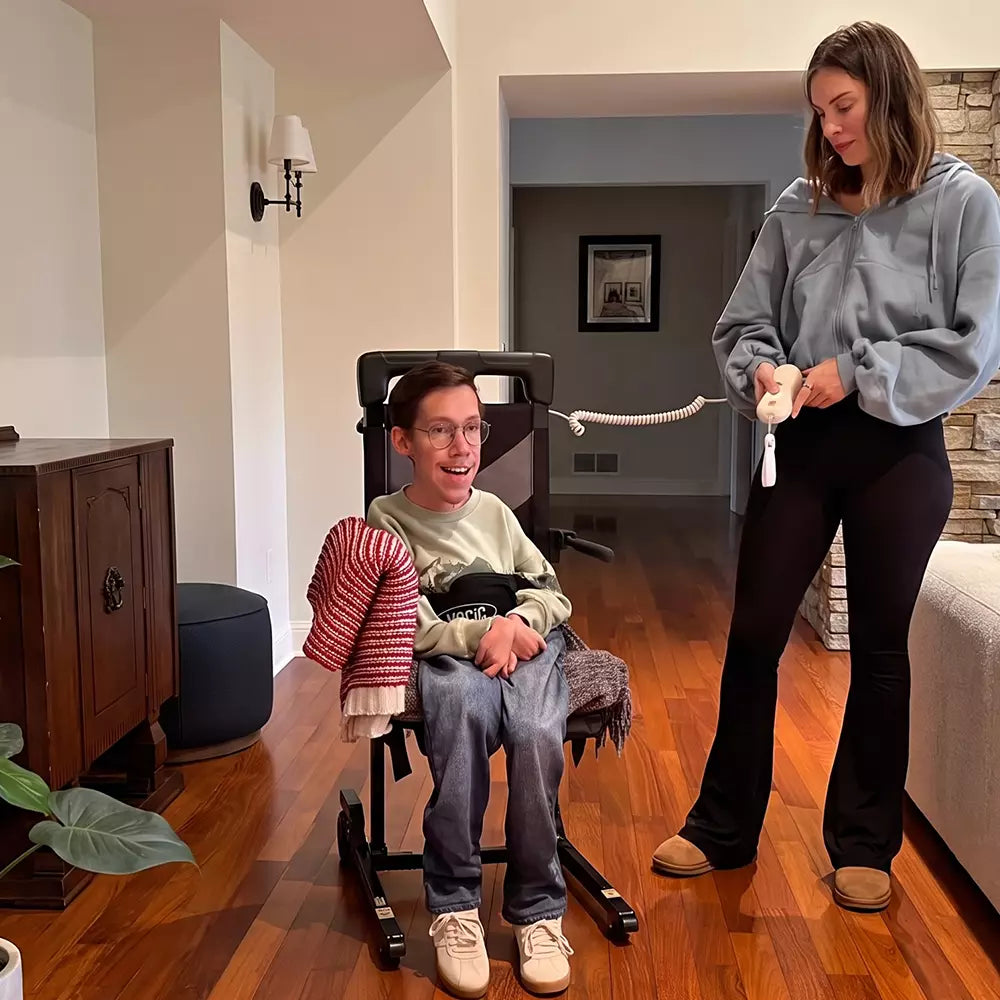

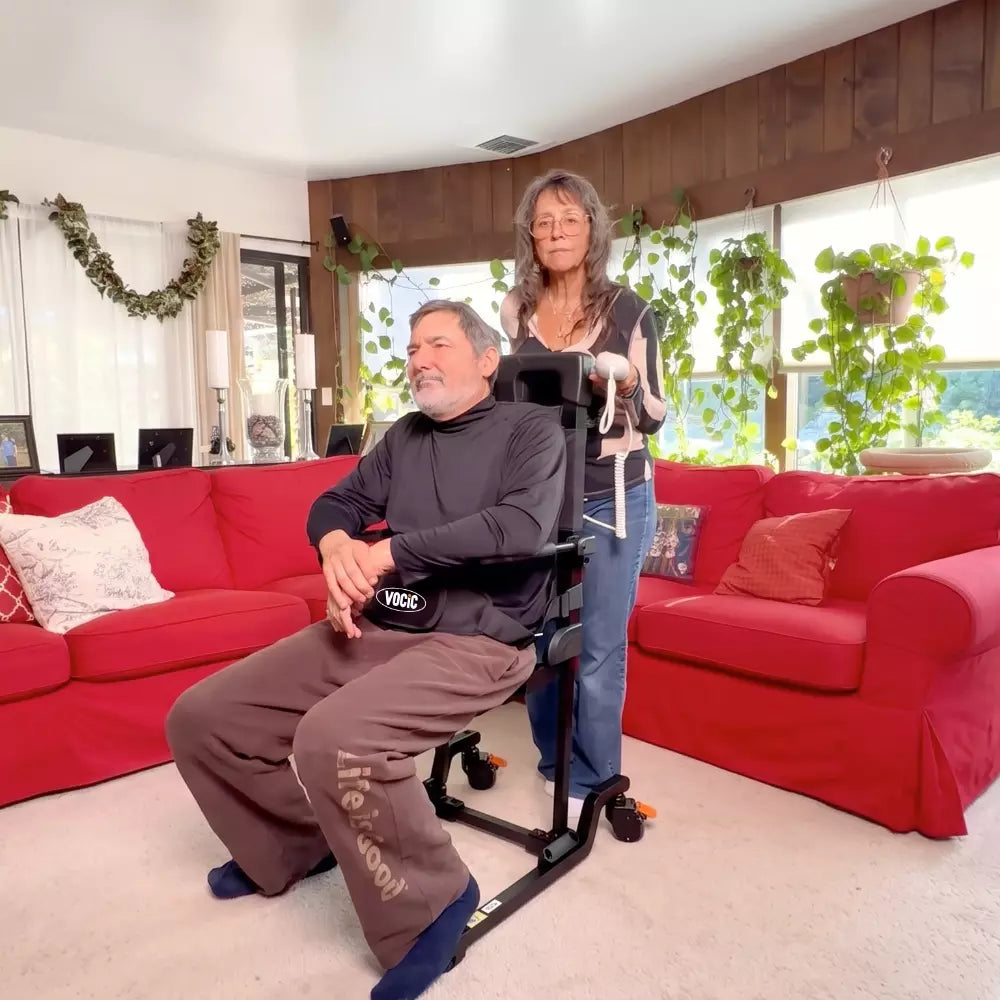
VOCIC AX35 Electric Transfer Chair Lift with 4 Wheels