
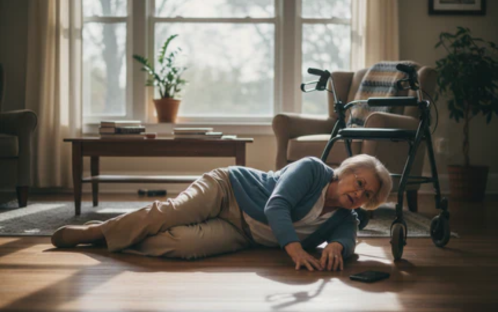
According to the CDC, more than one in four older adults falls each year, yet less than half tell their doctor. Continued falls pose a severe threat to long-term health, as even minor slips can lead to debilitating fractures, head injuries, or a permanent loss of independence.
Beyond the physical trauma, frequent falls trigger a fear of falling that leads to inactivity. This resulting weakness and poor balance create a dangerous cycle, ironically increasing the risk of even more frequent falls in the future.
If you are noticing this pattern, it is time to move from concern to action. This guide outlines exactly what to do when the elderly experience frequent falls, from medical consultations and home modifications to selecting the right mobility equipment to restore their safety and independence.
What Are the Risks of Falls in Older Adults?
Frequent falls are not just a series of isolated accidents; they carry heavy physical and emotional tolls that can alter an older adult's life overnight:
- Severe Physical Injuries: Beyond simple bruises, falls are the leading cause of hip fractures and Traumatic Brain Injuries (TBI). For seniors, these injuries often require surgery and long recovery periods.
- The Fear of Falling Cycle: A single fall can destroy a senior's confidence. To avoid falling again, they may stop walking or participating in social activities. This lack of movement leads to muscle wasting (atrophy), which paradoxically increases their risk of falling.
- Loss of Functional Independence: Once a senior experiences multiple falls, they are at a much higher risk of losing their ability to live alone, often necessitating a move to assisted living or a nursing home.
What Are the Common Causes for the Elderly to Keep Falling?
Finding a solution begins with pinpointing the root cause. While every senior's situation is unique, most recurrent falls are triggered by a combination of internal health shifts and external environmental hazards.
1. Chronic Health Conditions
Conditions like Parkinson’s disease, arthritis, and diabetes can impair gait and sensation. Additionally, cardiovascular issues can cause postural hypotension, a sudden drop in blood pressure when standing up that leads to dizziness and fainting.
2. Poor Balance and Muscle Weakness
As we age, we naturally lose muscle mass (sarcopenia). If the stabilizer muscles in the core and legs are weak, the body cannot correct its balance quickly enough if it hits an uneven surface.
3. Impaired Vision and Sensory Loss
Vision changes like cataracts or glaucoma make it harder to see trip hazards like pets, cords, or rug edges. Furthermore, loss of sensation in the feet (neuropathy) means the brain isn't getting clear signals about where the feet are on the ground.
4. Fall Risk Medications
Many seniors are on multiple prescriptions. Sedatives, antidepressants, and even some blood pressure medications can cause side effects like blurred vision, drowsiness, or "brain fog," all of which significantly increase fall risks.

What to Do When Your Elderly Parent Keeps Falling
Watching a parent lose their balance can be worrying, but falling is not an inevitable part of aging. By taking a proactive approach with medical advice, home adjustments, and supportive tools, you can reduce injury risks and help your loved one regain confidence and mobility.
Consult Your Parent’s Doctor About Their Health
Frequent falls are often a red flag for underlying medical issues. It is essential to have a healthcare professional review their current medications, as certain drugs can cause dizziness or a drop in blood pressure. A doctor can also assess physical factors like inner ear balance or muscle density to determine if the falls are related to a treatable physical condition.
Check on Your Parent’s Vision Health
As we age, our ability to judge distance and perceive obstacles in low-light environments diminishes. Vision problems are a major contributor to missteps. Ensure your parent has an updated eye exam to screen for issues like cataracts or blurred vision, which can make a simple threshold or rug become a dangerous trip hazard.
Modify Your Home for Safety
A safer living environment is the most immediate way to prevent accidents. Focus on clearing high-traffic pathways of clutter and securing or removing loose rugs. Adding high-contrast tape to step edges and installing bright, motion-sensing lights can help seniors navigate their homes with much greater certainty and less anxiety.
Equip Your Parent with Mobility Aids
The right support tool can be the difference between isolation and an active life. When a parent feels unsteady, they often instinctively limit their movement; however, this lack of activity leads to rapid muscle atrophy and further balance deterioration. To break this cycle, it is essential to provide tools that encourage safe, daily exercise.
For those who struggle with a hunched posture, a common factor in balance loss, the VOCIC Z22 Upright Foldable Rollator serves as a vital corrective aid. Unlike traditional walkers that force a forward lean, its upright design helps seniors maintain a natural gait. By keeping the spine aligned, it shifts their center of gravity back to a safer position, making daily walks feel more like a strengthening exercise rather than a struggle.
For parents whose stamina varies, the VOCIC Z51 Shift Combo 2 In 1 Rollator is designed to support a progressive mobility plan. It functions as a sturdy, reliable walker that builds leg strength and improves coordination during active periods. Knowing it can instantly convert into a transport chair provides the psychological safety net needed for seniors to push their boundaries slightly further during outings. This versatility ensures they can participate in longer social walks or park visits, which are key for maintaining both physical balance and mental well-being, without the fear of being stranded by sudden fatigue.
Consider In-Home Care
If balance issues become severe, having a professional caregiver can provide essential "active supervision." This ensures someone is present during high-risk activities, such as getting in and out of bed or navigating the bathroom, offering the physical support necessary to stop a slip from becoming a serious injury.

How to Prevent Falls in Older People?
Preventing falls in the elderly requires a holistic strategy that addresses both the physical strength of the senior and the hazards within their surroundings. By taking the following proactive steps, you can create a foundation for safer, more confident daily living.
Promote Regular Exercise
Physical activity is the single most effective way to reduce fall risk. Encourage your parent to engage in exercises that focus on balance, coordination, and lower-body strength. Activities such as Tai Chi or simple chair-based leg lifts help maintain muscle mass and improve proprioception, the body's ability to sense its position in space. Consistent movement not only keeps joints flexible but also builds the reflexive strength needed to recover from a minor stumble.
Review Medications
Many seniors take multiple prescriptions that can interact in ways that compromise stability. Schedule a "medication therapy management" session with their pharmacist or primary doctor. Specifically, ask about drugs that list dizziness, sedation, or blurred vision as side effects. Adjusting the dosage or timing of certain medications, especially those for blood pressure or sleep, can significantly clear the "mental fog" that often leads to accidents.
Assess Your Elderly Parent’s Living Environment
A thorough walk-through of the home can reveal hidden dangers. Look for obstacles that are easy to overlook: loose electrical cords across walkways, high door thresholds, or pets that tend to get underfoot. Ensure that frequently used items in the kitchen and bedroom are kept at waist level to prevent the need for reaching or using unstable step stools. Creating clear, wide paths for movement is essential, especially if your parent has begun using a mobility aid.
Install Safety Devices in Your Elderly Parent’s Home
Beyond removing hazards, adding supportive hardware provides a critical safety net. Key installations should include:
- Grab Bars and Rails: Essential in the bathroom near the toilet and inside the shower where surfaces are slippery.
- Enhanced Lighting: Install motion-activated lights in hallways and glow-in-the-dark strips on stair edges to assist with navigation during the night.
- Non-Slip Solutions: Apply adhesive non-slip strips to uncarpeted stairs and use rubber mats in the bathtub. These small additions provide the necessary friction to prevent a slip from turning into a fall.
Conclusion
Caring for an aging parent struggling with balance requires a blend of vigilance and compassion, as the psychological "fear of falling" can be just as debilitating as a physical injury. By adopting a comprehensive approach, addressing medical needs, optimizing the home environment, and utilizing modern mobility tools like rollator walkers from VOCIC, you do more than just prevent accidents; you restore your parent’s sense of agency and dignity. While we cannot stop the aging process, we can empower our loved ones to navigate their world with renewed confidence, ensuring their later years are defined by safety, movement, and a higher quality of life.
FAQ
1. What are red flag symptoms after a fall?
Seek immediate medical help if your parent experiences loss of consciousness, confusion, severe headaches, or an inability to bear weight. For those on blood thinners, a professional evaluation is mandatory to rule out internal bleeding, even if no external injuries are visible.
2. What does it mean if someone keeps falling over?
Frequent falls usually indicate that the body’s balance system, including vision, the inner ear, and muscles, can no longer compensate for underlying issues. It is often a multi-factorial sign of declining muscle strength and slower reflexes rather than simple clumsiness.
3. When do the elderly start to decline?
While physical decline is individual, muscle mass and bone density often drop more noticeably after age 65 or 70. Recognizing these early signs allows for timely interventions, such as strength training or mobility aids, to preserve independence.
4. What is frequent falling a symptom of?
It can signal conditions like sarcopenia (muscle loss), peripheral neuropathy (foot numbness), or orthostatic hypotension (blood pressure drops upon standing). It may also result from polypharmacy, where multiple medications interact to impair coordination.
Share:
How to Relieve Hip and Lower Back Pain?
Caregiving Shouldn't Be a Physical Burden: Why We Engineered the AY03