
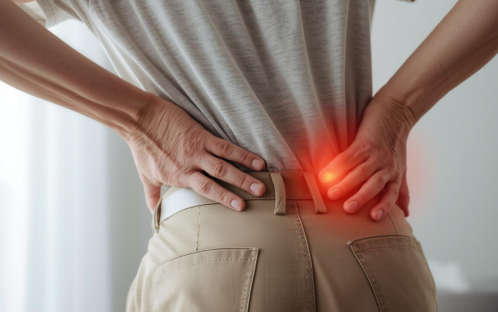
In recent years, hip and lower back pain have become increasingly common, particularly among office workers who sit for long periods, the elderly, and those engaged in heavy manual labor. If left unaddressed, chronic hip and lower back pain can lead to various underlying issues, such as insomnia, muscle imbalances, and functional decline, eventually affecting your overall health. Therefore, identifying the root causes early and taking scientific measures for relief and prevention is essential.
This guide focuses on effective ways to alleviate hip and lower back pain and provides clear signs of when you should seek medical attention.
What Causes Hip and Lower Back Pain?
Hip and lower back pain frequently appear at the same time because the two areas are deeply interconnected through skeletal structure, muscles, nerves, and the kinetic chain. This pain often stems from muscle strain, joint issues, nerve compression, or long-term poor posture. Here are the most common lifestyle causes:
1. Prolonged Sitting or Standing (Inactivity)
Staying in the same position for hours—whether working at a desk or standing for a long shift—causes muscles to stiffen. This long-term poor posture makes the muscles at the front of your hips (hip flexors) act like "shrunken clothes" that become tight and short. When you finally stand up or move, they pull forcefully on your lower spine, leading to severe muscle strain and persistent aching.
2. One-Sided Habits (Improper Force)
Many people unconsciously favor one side of their body, such as shifting all their weight onto one hip while standing or always carrying a heavy bag on the same shoulder. Much like a car with uneven tire wear, this habit causes the pelvis to tilt and triggers joint issues, forcing the muscles on one side of your back to "work overtime," which leads to chronic strain.
3. Improper Sleeping Positions
Sleeping on your stomach or side without proper support keeps your spine in a twisted state all night. When side-sleeping without a pillow between your knees, the top leg drops down, twisting your pelvis like a wet towel. This misalignment can lead to nerve compression, which is why many people wake up the next morning feeling stiff and sore in both the hips and back.
4. Inappropriate Footwear
Your feet are the foundation of your entire skeleton. Wearing worn-out shoes or footwear without arch support—such as flat flip-flops or high heels—forces your hips to tilt unnaturally to absorb the shock of walking. This vibration travels directly up to your lower back, worsening existing joint issues or adding to the muscular burden.
5. Poor Walking Posture
Walking without lifting your feet properly (shuffling or dragging your steps) limits the natural range of motion of the hip joints. This incorrect gait triggers a "defense mechanism" in your lower back muscles, keeping them tight and tense to maintain balance. Over time, this not only causes muscle strain but can also lead to nerve compression due to uneven pressure on the spine. Preventing falls in the elderly becomes even more challenging when poor walking posture is present, as it can increase instability and the risk of tripping or losing balance.
6. Aging and Lack of Exercise
As we age, the "core engines" that support the spine—our muscles—naturally weaken. If a lack of exercise allows these muscles to "fall asleep," your bones and joints are forced to bear the full weight of your body. In this state, even minor joint issues are magnified, making simple daily activities feel exhausting for your hips and back.

6 Ways to Release Hip and Lower Back Pain
Managing pain in the hip and lower back requires a combination of immediate relief and long-term structural support. Here are six effective strategies:
1. Rest
While it may be tempting to stay in bed, "active rest" is more effective. Avoid high-impact activities for 24–48 hours to allow acute inflammation to subside, but try to incorporate gentle movements, such as walking around the house, to prevent joint stiffness.
2. Light Exercise and Stretching
Targeted movement helps decompress the spine and open the hips. Focus on stretches that lengthen the hamstrings and hip flexors. Low-impact exercises like swimming or yoga can strengthen the supporting muscles without putting jarring pressure on your joints. Incorporate targeted movements such as the Cat-Cow and Knee-to-Chest to mobilize the spine, alongside core-stabilizing exercises like Bird-Dogs and Glute Bridges to 'wake up' supporting muscles and relieve pressure on the lumbar discs.
3. Maintain Good Posture
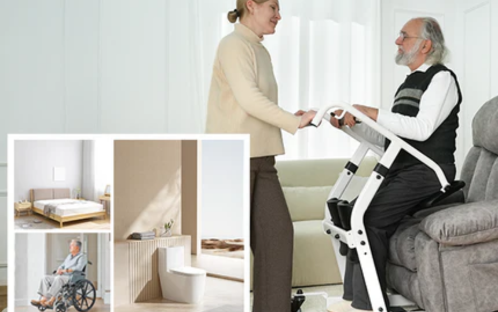
Good posture is the most sustainable way to reduce mechanical stress on your lower back. However, for seniors or those with chronic joint instability, simply "standing up straight" while walking can be physically exhausting. This is where modern mobility aids play a transformative role—not just by offering balance, but by acting as an ergonomic correction tool.
For instance, using an upright walker allows you to shift your weight onto your forearms rather than your wrists, which naturally pulls your shoulders back and aligns your spine. A device like the VOCIC Z22 Upright Foldable Rollator is engineered specifically for this purpose; its high-set armrests prevent the "stooped" or "hunched" gait that so often triggers lower back flare-ups.
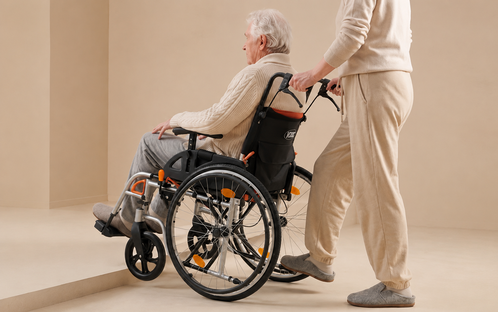
Furthermore, managing pain often means knowing when to stop. For those who want to stay active but fear overexertion, a versatile option like the VOCIC Z51 Shift Combo 2 In 1 Rollator - Transport Chair Walker provides a safety net. It functions as a stable walker to maintain your posture during exercise, but seamlessly transitions into a transport chair if fatigue sets in. This 2-in-1 flexibility ensures that you never have to sacrifice proper spinal alignment, even when your muscles grow tired during a long walk.
4. Physical Therapy
A physical therapist can identify specific "weak links" in your kinetic chain. They often use manual therapy to mobilize stiff joints and prescribe strengthening exercises for the transverse abdominis and gluteus medius to stabilize the pelvis.
5. Chronic Pain Management
For long-term discomfort, consider non-invasive therapies. Alternating between heat (to relax tight muscles) and ice (to reduce inflammation) can be very effective. Additionally, therapeutic massage can help break up knots in the piriformis and lower back muscles.
6. Surgical Treatment
Surgery is typically a last resort when conservative treatments no longer provide relief. Procedures such as hip replacement or spinal decompression are considered when structural damage significantly impairs your quality of life or neurological function.
How to Prevent Hip and Lower Back Pain
Prevention is centered on reducing daily wear and tear. By creating a body that is both strong and flexible, you can protect your "kinetic chain" from future injury.
1. Enhance Muscular Strength
Your core and glutes act as a natural brace for your spine. Focus on strengthening the posterior chain—the muscles along the back of your body.
- Core Stability: Strong abdominal muscles prevent the lower back from over-arching.
- Glute Activation: Strong glutes take the "heavy lifting" load off your hip joints and lumbar spine during daily movements like standing up or climbing stairs.
For older adults, mobility aids like walkers or rollators can provide additional support during these exercises. These aids help maintain balance and stability, allowing seniors to focus on strengthening their muscles without fear of falls or discomfort.
2. Use Ergonomic Equipment
Your environment should adapt to your body, not the other way around.
- At Work: Use a chair with dedicated lumbar support to maintain the natural curve of your spine.
- For Mobility: If you find yourself leaning forward while walking, using an upright rollator can serve as a preventative ergonomic tool, keeping your skeleton properly stacked and preventing "postural fatigue."
- At Night: Consider a pillow between your knees (if you're a side sleeper) to keep your hips neutrally aligned.
3. Avoid Prolonged Sitting or Standing
Static positions are the enemy of joint health. "Static loading" occurs when you stay in one position too long, causing tissues to lose elasticity.
- The 30-Minute Rule: Set a timer to change your position every 30 minutes.
- Micro-movements: Even simple ankle circles or standing hip marches can keep synovial fluid (joint lubricant) circulating.
4. Stay Active with Regular Exercise
Consistent, low-impact activity is the best way to maintain long-term mobility.
Walking: A daily 20-minute walk is one of the best "medicines" for the lower back; it pumps blood to the spinal discs and strengthens the ligaments around the hips.

When to See a Doctor for Hip and Back Pain
While most cases of hip and back pain can be managed by improving daily habits and using assistive devices, certain "red flags" indicate the issue may be beyond self-care. It is recommended to consult a doctor if you experience the following:
1. Pain That Lasts for Weeks or Becomes Chronic
If your pain has persisted for several weeks without improvement, or if it frequently disappears only to return, it has likely become a chronic issue. This type of long-term muscle strain or chronic inflammation often requires medical intervention to break the cycle of pain.
2. Severe, Constant, or Nighttime Pain
Seek medical advice if the pain is intense, offers no moments of relief, or is severe enough to wake you up at night. Pain that cannot be eased by adjusting your sleeping position or resting often points to deeper joint issues or interference with the nervous system.
3. Interference with Daily Activities
If the pain prevents you from living your normal life—such as making it difficult to walk, or making simple tasks like bending over to get dressed or put on shoes feel exhausting. When long-term poor posture evolves into a functional impairment, a professional exam is needed to check for structural damage.
4. Pain That Improves with Rest but Returns Quickly
This is a frequently overlooked signal: you may feel much better while sitting or lying down, but the pain "reloads" the moment you stand up or move. This recurrence often suggests that the body's support structure is compromised or could be an early sign of nerve compression.
5. History of Specific Medical Conditions
If you have a history of cancer or suffer from severe osteoporosis, any new hip or back pain should be treated with high caution. In these cases, the pain may involve more than just muscle issues, and a doctor needs to use professional equipment to evaluate your bone health.
Conclusion
Hip and lower back pain are often two sides of the same coin. Due to the "Domino Effect" caused by our body’s interconnected anatomy, addressing one issue without addressing the other rarely leads to lasting relief. By combining consistent mobility exercises, mindful lifestyle habits, and the right supportive equipment, like the VOCIC best rollator walkers with seats, you can correct your posture, reduce joint strain, and reclaim the freedom of movement you deserve.
FAQ
1. Where is hip pain usually felt?
True hip joint pain is most commonly felt in the groin area or the inside of the hip. If you feel pain on the outer buttock or the upper outer thigh, it is more likely related to soft tissue issues, such as bursitis or muscle strain in the lower back, rather than the hip joint itself.
2. What are the "Big 3" for lower back pain?
Developed by world-renowned spine biomechanist Dr. Stuart McGill, the "Big 3" are specific exercises designed to maximize core stability while minimizing spinal load. They are:
- The Curl-Up (stabilizes the upper core).
- The Side Bridge/Plank (targets the obliques and lateral stabilizers).
- The Bird-Dog (strengthens the posterior chain and balance).
3. What's the best painkiller for lower back pain?
For most people, NSAIDs (Non-Steroidal Anti-Inflammatory Drugs) like Ibuprofen or Naproxen are effective because they target the inflammation that causes the pain. However, for chronic pain, topical treatments (like menthol gels) or even heat therapy are often preferred to avoid stomach irritation. Note: Always consult your physician before starting a new medication.
4. Is walking good for lower back and hip pain?
Yes. Walking is often considered one of the best low-impact exercises for these conditions. It increases blood flow to the spinal structures, helps nourish the joints with synovial fluid, and strengthens the muscles that hold your pelvis in place. If walking feels difficult, using mobility aids like a rollator can help you enjoy the benefits of walking without the risk of postural strain.
Share:
Patient Lift Sling Guide: How to Choose for Optimal Safety
What to Do When the Elderly Keep Falling