
Gait training is a therapeutic approach used to help individuals improve the way they walk. It focuses on restoring balance, coordination, and a safe walking pattern for people who have difficulty walking due to injury, illness, or age-related mobility changes.
Gait training is commonly used in rehabilitation settings but can also be adapted for home practice with proper guidance and support. For people who feel unsteady or unsafe while walking, understanding gait training can help explain how walking ability may be improved over time.
What Is Gait Training?
Gait training is a structured form of therapy that focuses on improving how a person walks. Rather than simply practicing walking, gait training addresses specific issues such as balance, coordination, posture, and step pattern that may affect safe and efficient movement.
This type of training is commonly used when walking ability has been affected by injury, surgery, neurological conditions, or age-related changes. Through guided exercises and repetition, gait training helps individuals develop more stable and controlled walking patterns, reducing the risk of falls and improving overall mobility.
Gait training can be provided by rehabilitation professionals in clinical settings, but elements of it may also be practiced at home once proper techniques and safety considerations are understood.
What Are the Goals of Gait Training?
The primary goal of gait training is to help individuals walk more safely, efficiently, and with greater confidence. Rather than focusing on speed alone, gait training addresses the quality of movement and the factors that affect balance, coordination, and control during walking.
Improving Balance and Stability
One key goal of gait training is to improve balance and stability while walking. Many people with gait difficulties experience unsteadiness, uneven weight distribution, or poor control when shifting from one step to the next. Gait training helps address these issues by reinforcing proper posture, step placement, and weight transfer, thereby reducing the risk of falls. These improvements play an important role in preventing falls in the elderly, especially for older adults who experience age-related balance decline.
Increasing Walking Endurance
Gait training also aims to improve walking endurance. When walking becomes inefficient, individuals often tire quickly, limiting their ability to walk for a long distance or for an extended period. Through repeated practice and gradual progression, gait training helps the body use energy more effectively, allowing individuals to walk longer distances with less fatigue.
Restoring a Natural Walking Pattern
Another important goal of gait training is to restore a more natural and coordinated walking pattern. Injury, illness, or prolonged immobility can cause compensatory movements such as shuffling, uneven steps, or reduced arm swing. Gait training focuses on retraining these movement patterns to promote smoother, more controlled walking.

Who Can Benefit From Gait Training?
Gait training can benefit a wide range of individuals who experience difficulty walking safely or efficiently. It is commonly used across different age groups and conditions, with training approaches adapted to each person’s specific needs and abilities.
Children With Developmental Conditions
Children with developmental conditions may benefit from gait training when walking patterns do not develop typically. Gait training can help improve coordination, balance, and motor control, supporting more stable and functional movement as the child grows. Training is often tailored to the child’s developmental stage and physical abilities.
Adults in Rehabilitation
Adults recovering from injury, surgery, or prolonged illness often use gait training as part of rehabilitation. Changes in strength, balance, or coordination can affect how a person walks, even after the primary condition has been treated. Gait training helps rebuild safe walking patterns and supports a gradual return to daily activities.
People With Neurological Disorders
Neurological conditions can interfere with the signals that control movement, leading to gait instability or irregular walking patterns. Gait training focuses on improving coordination, balance, and timing of movement, helping individuals adapt to these challenges and walk more safely.
Older Adults With Mobility Challenges
Older adults may experience gait changes due to reduced strength, balance issues, or age-related mobility decline. Gait training can help address these changes by reinforcing proper walking mechanics and improving stability, which may reduce the risk of falls and support continued independence.
For individuals who require additional support during walking practice, choosing the best walking aids for balance can complement gait training efforts and provide greater confidence during daily movement.
How Gait Training Is Practiced?
Gait training can be practiced in different settings depending on the individual’s condition, goals, and level of support needed. It is commonly provided in clinical environments under professional guidance, but certain aspects can also be practiced through structured exercises.
Clinical Gait Training With a Therapist
Clinical gait training is typically guided by physical therapists or rehabilitation professionals. In this setting, walking patterns are closely observed and adjusted to address issues such as balance, posture, step length, and coordination. Therapists may provide hands-on guidance, verbal cues, or structured walking tasks to help individuals practice safer and more efficient movement.
Clinical gait training often takes place in rehabilitation centers, hospitals, or outpatient clinics, where progress can be monitored and training plans adjusted over time based on individual response and recovery.
Gait Training Exercises and Techniques
Gait training exercises focus on improving specific components of walking, such as strength, balance, and coordination. These exercises may include controlled stepping, weight-shifting activities, or walking practice with added support. Repetition and consistency are important, as gradual practice helps reinforce proper movement patterns.
With appropriate instruction and safety considerations, some gait training exercises can be practiced outside of clinical settings. However, exercises should be matched to the individual’s abilities to avoid overexertion or increased risk of falls.
In many cases, gait training is more effective when combined with appropriate assistive devices, especially for individuals who need additional support while walking.

Assistive Devices Used in Gait Training
Assistive devices are often used during gait training to provide additional support, improve safety, and reinforce proper walking mechanics. These devices do not replace gait training itself, but they can make walking practice more effective by offering stability, guidance, or balance assistance as individuals work to improve their gait.
Gait Trainers
Gait trainers are specialized devices designed specifically for walking training. They are commonly used in rehabilitation settings to support individuals who need significant assistance with balance or posture while practicing walking.
These devices typically provide structured support around the body, helping maintain alignment and control during movement. By offering consistent support, gait trainers allow users to focus on step pattern, weight shifting, and coordination without the risk of losing balance.
Walkers for Gait Training
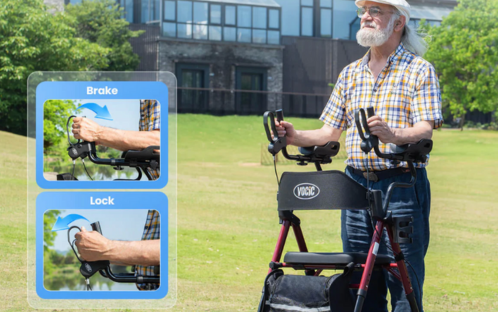
Walkers are assistive devices primarily designed to support walking rather than serve as professional gait training equipment. Many rollator walkers are designed with features such as a built-in seat, allowing users to pause and rest during walking, which reflects their role in everyday mobility support.
When used during gait training, walkers function as a supportive aid instead of a structured training device. They do not provide the guided body support or alignment control offered by gait trainers, but they can help individuals practice walking more safely as part of daily movement.
Upright walkers, such as the VOCIC Z22 Upright Walker with Adjustable Armrests, allow users to walk in a more upright position, which may support safer walking mechanics during routine gait practice.
Tips for Effective Gait Training
Effective gait training focuses on safety, consistency, and gradual progress. Regardless of where training takes place, following basic principles can help reduce risk and improve walking outcomes over time.
Focus on Safety and Proper Support
Safety should always be the top priority during gait training. Training should be performed in a stable environment, free of obstacles or uneven surfaces. When balance or strength is limited, using appropriate support such as assistive devices or supervision can help prevent falls and build confidence during walking practice.
Proper footwear and posture also play an important role in maintaining stability and reducing strain while walking.
Progress Gradually Over Time
Gait training is most effective when progress is gradual. Attempting to increase walking distance, speed, or difficulty too quickly can lead to fatigue or instability. Instead, small and steady improvements allow the body to adapt and reinforce better movement patterns.
Adjustments to training intensity should be based on comfort, balance, and overall endurance rather than pushing for rapid results.
Practice Consistently
Consistency is key to improving gait. Regular practice helps reinforce coordination, balance, and muscle control involved in walking. Even short, repeated training sessions can be effective when performed consistently over time.
Establishing a routine that fits the individual’s daily schedule can make gait training more manageable and sustainable in the long term.
Conclusion
Gait training is an important approach for improving walking ability in individuals who experience balance, coordination, or mobility challenges. By focusing on walking quality rather than speed alone, gait training helps support safer and more controlled movement.
When tailored to individual needs and practiced consistently, gait training can benefit people across different age groups and conditions. Whether guided by a rehabilitation professional or supported with appropriate assistive devices, gait training plays a meaningful role in promoting stability, mobility, and confidence in walking.
FAQ
1. What is the difference between gait and walking?
Walking refers to the general act of moving from one place to another on foot. Gait, on the other hand, describes the specific pattern and mechanics of how a person walks, including posture, step length, balance, and coordination. Gait training focuses on improving these movement patterns to make walking safer and more efficient.
2. Why do seniors shuffle when they walk?
Shuffling gait in older adults is often related to reduced muscle strength, balance issues, joint stiffness, or neurological changes. Fear of falling can also cause seniors to take shorter steps and avoid lifting their feet fully. Gait training helps address these factors by improving strength, balance, and walking coordination.
3. How to improve gait in old age?
Improving gait in old age typically involves a combination of guided gait training, strength and balance exercises, and consistent walking practice. Using appropriate assistive devices when needed can also help support safer movement. Progress is usually gradual, with an emphasis on maintaining stability and reducing fall risk rather than increasing speed.
4. Can gait training be done at home?
Yes, certain aspects of gait training can be practiced at home once proper techniques and safety considerations are understood. Home-based gait training often focuses on simple exercises, controlled walking practice, and consistency. For individuals with significant balance or mobility challenges, guidance from a rehabilitation professional is recommended before starting home practice.
Share:
Best Mobility Scooter for Air Travel
Get to Know VOCIC: Our Mission, Our Products, and Our Commitment to You