
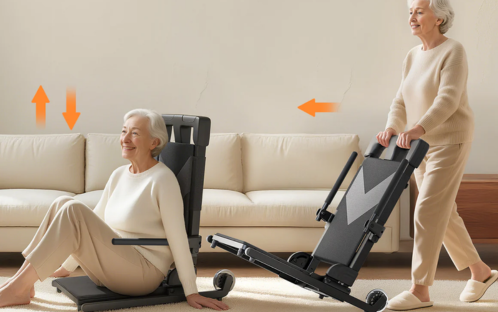
Getting up from the floor can be a challenging and risky task, especially for seniors or individuals with mobility issues. Without the right support, the risk of injury increases for both the person in need and their caregiver. Fortunately, there are specialized devices designed to make this task safer and easier, promoting independence and reducing strain. In this guide, we’ll highlight the best devices to help someone stand up from the floor, focusing on features that provide stability, ease of use, and comfort.
Benefits of Using a Device to Help Someone Stand Up From the Floor
Using a device to assist with standing up from the floor offers numerous benefits for both the individual and their caregiver. These devices not only make the process safer but also enhance the quality of life for users who struggle with mobility issues.
Improved Independence and Confidence
For individuals who have difficulty getting up from the floor, having a device that supports them in this process restores a sense of independence. It reduces the reliance on caregivers for assistance and empowers users to regain control of their movements, leading to increased confidence in their daily routines.
Reduced Risk of Injury for Users and Caregivers
Attempting to lift a person from the floor can be physically demanding and risky for both the user and their caregiver. Assistive devices ensure a safer lifting process, minimizing the chance of falls or strains. They provide controlled support and reduce the risk of injury by guiding the user in a slow, steady lift.
Support for Long-Term Mobility and Daily Living
Devices designed for standing assistance can improve long-term mobility by supporting users in regaining their ability to move independently. By reducing the physical effort needed for rising from the floor, these devices contribute to better overall physical health and help users maintain their daily activities with greater ease.

Types of Devices to Help Someone Stand Up From the Floor
Devices designed to help someone stand up from the floor generally fall into two main categories: powered floor lift and non-powered standing aids. Each option serves a different level of mobility need, depending on how much assistance the user requires.
Floor Lift Devices for Home Use
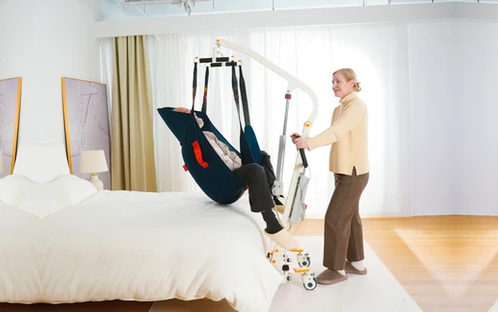
Floor lift devices are specifically designed to help users rise from very low positions, including the floor. These devices are typically motorized and provide a slow, controlled lift, allowing users to move from the ground to a seated or standing position with minimal physical effort.
One example is the VOCIC AX35 Movable Electric Transfer Chair Lift with 4 Wheels, which combines powered lifting with mobility features. Its wheeled design allows caregivers to reposition the device easily within the home, making it suitable for post-fall recovery and daily indoor use.
Assistive Standing Aids and Support Frames
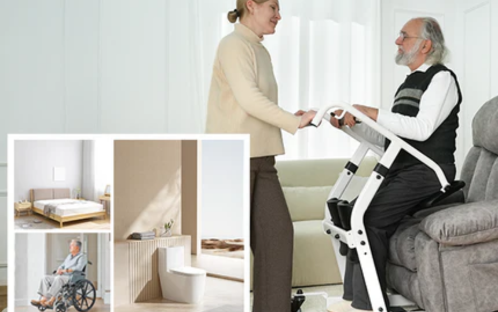
Assistive standing aids and support frames are non-powered devices that help users push themselves up from the floor or a low position. These devices usually include handles or support frames that provide balance and leverage rather than lifting force.
Because they rely on the user’s own strength, standing aids are best suited for individuals who still have some lower-body and upper-body mobility. They are often lightweight, cost-effective, and easy to place in different areas of the home.

Key Features to Look for in a Device to Help Someone Stand Up From the Floor
When choosing a device to help someone stand up from the floor, certain features are especially important. Because floor-level recovery places more physical strain on both users and caregivers, the right features can significantly improve safety, ease of use, and overall reliability.
Weight Capacity and Stability
A device designed to lift someone from the floor must provide strong structural support and reliable stability. Adequate weight capacity ensures the device can safely support the user without tipping or shifting during the lift.
Stability is equally critical, especially when lifting from very low positions. A wide base, reinforced frame, or stabilizing legs help keep the device steady throughout the lifting process, reducing the risk of imbalance or sudden movement.
Ease of Use for the User and Caregiver
Floor lift devices should be simple to operate, particularly in situations such as post-fall recovery, where stress and urgency may be involved. Clear controls, smooth lifting motion, and intuitive operation help both users and caregivers feel more confident during use.
For powered floor lift devices, features such as remote controls or one-touch operation can make a significant difference. Some models, like the VOCIC AX25 Electric Floor Lift, are designed to be compact and easy to maneuver, allowing caregivers to position the device quickly and assist with minimal physical strain.
Comfort, Materials, and Ergonomic Design
Comfort plays an important role when assisting someone from the floor, especially if the user needs to remain seated during part of the lifting process. Supportive seating surfaces, smooth edges, and well-designed contact points help reduce pressure and discomfort.
Durable materials and thoughtful ergonomic design also contribute to long-term usability. Devices made with easy-to-clean surfaces and sturdy components are better suited for frequent use, while ergonomic shapes help support natural movement as the user transitions upward.
Conclusion
Standing up from the floor can be one of the most difficult and risky movements for seniors or individuals with limited mobility. Without proper support, attempts to get up can lead to further injury or place significant physical strain on caregivers. Unlike a traditional lift chair, which assists from a standard seated position, floor lift devices are specifically designed to help users recover safely from ground level.
Devices designed specifically to help someone stand up from the floor, such as powered floor lift devices or supportive standing aids, provide a safer and more controlled solution. By choosing the right device based on the user’s strength, mobility level, and home environment, it is possible to reduce fall-related risks, support independence, and make daily life safer and more manageable for both users and caregivers.
FAQ
How to lift a heavy elderly person off the floor?
Attempting to lift an elderly person off the floor directly by hand is not recommended, as it can cause injury to both the individual and the caregiver. Using a powered floor lift device allows the person to be lifted gradually and safely from the floor with minimal physical strain. If no device is available, professional assistance should be considered.
How can I improve my ability to get off the floor?
Improving strength, balance, and flexibility through guided exercise can help over time. However, for individuals with limited mobility, using a floor lift device or standing aid provides immediate support and reduces the risk of falls or overexertion when getting up from the floor.
How to get up from the floor with weak legs?
When leg strength is limited, standing up from the floor without assistance can be difficult and unsafe. A floor lift device provides powered lifting support, allowing the user to move from the floor to a seated or standing position without relying solely on leg strength. Non-powered standing aids may also help if the user has some remaining strength.
What to do if you can't get someone off the floor?
If you are unable to help someone up safely, avoid forcing the movement. Ensure the person is comfortable, check for signs of injury, and use a floor lift device if available. If the situation cannot be managed safely, seeking medical or emergency assistance is the safest option.
Share:
What Is Chronic Illness?
Best Mobility Scooter for Air Travel