
If your health problems never seem to resolve fully, you are not alone. Many people live with symptoms that last for months or years, affecting their mobility, independence, and emotional well-being. These long-term conditions are often classified as chronic illnesses and can gradually reshape daily life if left unaddressed.
This article explains what chronic illness means, why it matters, and how practical steps can help protect long-term health.
What Is a Chronic Illness?
A chronic illness is a long-lasting health condition that typically persists for one year or more. These conditions often require ongoing medical attention and may limit activities of daily living, such as mobility, self-care, or maintaining independence.
Unlike acute illnesses that resolve within a short period of time, chronic diseases usually cannot be cured. Instead, they are managed through medication, lifestyle changes, regular monitoring, and supportive care.
For many people, the challenge is not only the symptoms themselves, but also the uncertainty of living with a condition that may change over time. Chronic illness can affect people of all ages and backgrounds, and its impact often extends beyond physical health to emotional well-being and daily life.
Common Chronic Illnesses
Chronic illnesses cover a wide range of long-term conditions that affect different parts of the body. Common examples include:
- Diabetes, which affects blood sugar regulation and requires ongoing monitoring
- Heart disease, including conditions such as coronary artery disease and heart failure
- Arthritis, which causes joint pain, stiffness, and reduced mobility
- Asthma, a chronic respiratory condition that affects breathing
- Chronic obstructive pulmonary disease (COPD), which leads to long-term breathing difficulties
- Autoimmune diseases, such as rheumatoid arthritis and lupus, in which the immune system attacks healthy tissues
- Neurological conditions, including Parkinson’s disease and multiple sclerosis
- Chronic pain conditions, such as fibromyalgia or long-term back pain
These conditions may differ in symptoms and severity, but they often require continuous care and lifestyle adjustments.
Features of Chronic Illness
While chronic illnesses vary widely, they often share several key characteristics:
- Long duration: Symptoms last for months or years rather than days or weeks
- Fluctuating symptoms: Good days and bad days may alternate over time
- Persistent fatigue or pain: Symptoms may continue even with treatment
- Reduced physical function or mobility: Daily activities and independence may be affected
- Ongoing medical management: Long-term use of medication, therapy, or lifestyle changes is often required
- Emotional and psychological impact: Stress, anxiety, or depression may develop alongside physical symptoms
Recognizing these features helps clarify that chronic illness is not defined by a single symptom, but by its ongoing and multifaceted impact on daily life. Early awareness allows individuals and caregivers to make more informed decisions about care, lifestyle adjustments, and supportive resources.
Impacts of Chronic Illness on Daily Life
Chronic illness affects more than physical health. Over time, it can influence movement, self-care, emotional well-being, and personal safety in everyday environments.

Impact on Mobility and Physical Function
Many chronic illnesses affect strength, balance, or endurance, making movement more difficult. Walking long distances, standing for extended periods, or climbing stairs may become exhausting or painful.
As mobility declines, individuals may avoid activities they once enjoyed, gradually reducing independence and increasing reliance on others or assistive devices. In this stage, exploring supportive mobility options, such as the best walkers for seniors with balance problems, can help promote safer movement and preserve daily independence.
Challenges with Self-Care and Daily Tasks
Tasks such as bathing, dressing, cooking, or cleaning can become more demanding due to fatigue, pain, or limited range of motion.
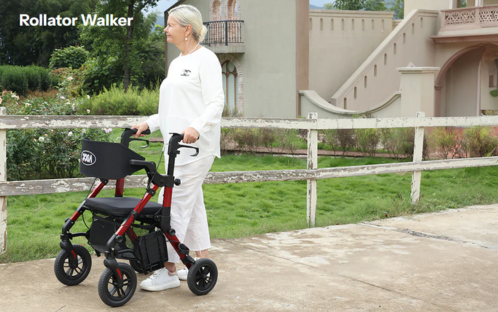
When self-care becomes difficult, frustration may build over time, affecting confidence and making it harder to maintain a consistent daily routine. Assistive tools like a rollator walker can help support short walks around the home while preserving independence.
Effect on Mental Health and Emotional Well-Being
Living with a long-term condition can place a significant emotional burden on individuals. Persistent symptoms, uncertainty about the future, and lifestyle changes may contribute to anxiety, sadness, or emotional exhaustion.
Reduced social participation can further increase feelings of isolation if adequate support is not available.
Increased Risk of Falls and Injuries
Balance issues, muscle weakness, and slower reaction times can increase the risk of falls for people with chronic illness. Conditions affecting vision or coordination further raise this risk.
Because of this, preventing falls in the elderly becomes an important part of long-term care, as falls may lead to injury, prolonged recovery, and reduced confidence in movement, which can further limit activity levels.
What Are the Risk Factors for Chronic Illness?
Chronic illnesses often develop due to a combination of factors rather than a single cause. Understanding these risk factors supports earlier awareness and prevention.
Genetic Factors
A family history of conditions such as diabetes, heart disease, or autoimmune disorders may increase risk. While genetics cannot be changed, awareness supports earlier monitoring and preventive care.
Lifestyle
Unhealthy habits such as poor diet, physical inactivity, smoking, and excessive alcohol use are strongly linked to many chronic conditions. Over time, these habits can weaken overall health and increase disease risk.
Environmental Factors
Air pollution, workplace hazards, chronic stress, and limited access to healthcare or nutritious food may contribute to long-term health problems.
Age and Gender
Risk generally increases with age, as the body becomes more vulnerable over time. Gender-related biological differences also influence susceptibility to certain chronic illnesses.
How to Prevent Chronic Illness
Not all chronic illnesses can be prevented, but many can be delayed or better managed through healthy habits and early intervention.

Adopt a Healthy Diet
A balanced diet rich in fruits, vegetables, whole grains, lean proteins, and healthy fats supports heart health, immunity, and energy levels. Limiting processed foods, added sugars, and excessive salt can reduce disease risk.
Engage in Regular Physical Activity
Regular movement supports muscle strength, balance, flexibility, and cardiovascular health. Even moderate activities performed consistently can provide meaningful benefits.
For individuals with mobility or balance concerns, supportive equipment can make activity safer. Devices like theVOCIC Z51 Shift Combo 2 In 1 Rollator Transport Chair Walker provide stability and a resting option, helping users stay active while reducing fall risk.
Avoid Smoking and Excessive Alcohol Consumption
Smoking and excessive alcohol use are major risk factors for many chronic illnesses. Reducing or eliminating these habits can significantly improve long-term health outcomes.
Manage Stress Effectively
Chronic stress affects immune function, sleep quality, and mental health. Techniques such as mindfulness, gentle exercise, or relaxation practices can help manage stress more effectively.
Get Regular Health Screenings
Routine screenings help identify potential health concerns early, allowing timely intervention and better outcomes.
Practice Good Sleep Hygiene
Consistent, high-quality sleep supports physical recovery, emotional regulation, and immune function. Poor sleep over time increases chronic illness risk.
By maintaining healthy habits and staying attentive to physical changes, individuals can take meaningful steps to reduce chronic illness risk. Prevention is about consistency and informed choices, not perfection.
Conclusion
Chronic illness is more than a medical diagnosis. It is a long-term condition that can affect physical health, emotional well-being, and everyday life. Understanding what chronic illness is, how it develops, and how it impacts daily functioning is an important step toward managing it more effectively.
While not all chronic illnesses can be prevented, many risks can be reduced through informed choices, healthy habits, and early support. With greater awareness, appropriate care, and practical tools, individuals and caregivers can work toward maintaining independence, safety, and a better quality of life over time.
FAQ
What is the difference between acute and chronic illness?
Acute illnesses develop suddenly and usually resolve within a short period of time, such as days or weeks. Examples include infections or minor injuries.
Chronic illnesses, on the other hand, are long-lasting conditions that often persist for months or years. They typically require ongoing management rather than short-term treatment.
What chronic illness has the lowest quality of life?
Quality of life varies widely depending on the individual, the severity of symptoms, and access to care. Conditions associated with chronic pain, severe mobility limitations, or significant fatigue, such as advanced arthritis, chronic pain disorders, or certain neurological conditions, are often reported to have a greater impact on daily life.
However, with proper support and management, many people can improve their quality of life over time.
At what age does chronic illness start?
Chronic illness can begin at any age. Some conditions develop in childhood or early adulthood, while others are more common later in life. Aging increases the risk of many chronic illnesses, but younger individuals can also be affected depending on genetics, lifestyle, and environmental factors.
How do I know if I have a chronic illness?
If symptoms persist for several months, interfere with daily activities, or require ongoing medical attention, they may indicate a chronic condition. Common signs include persistent pain, fatigue, limited mobility, or recurring symptoms.
Consulting a healthcare professional is the best way to receive an accurate diagnosis and appropriate guidance.
Share:
Rollator vs. Walker: Which Mobility Aid is Best for Your Lifestyle?
Best Device to Help Someone Stand Up From the Floor