
In the United States, there is no unifying age for senior citizens. Instead, several milestones indicate the shift to older adulthood. AARP starts membership at the age of 50, which forms an early cultural marker. Numerous retirement communities, travel companies, and other businesses offer elderly discounts at 55, and some welfare and healthcare departments consider adult seniors at 60.
The highest standard adopted is 65, which is in line with the Medicare and traditional social security criteria. These varying thresholds reflect social and economic changes. This article explains these differences to define what age is considered a senior citizen and how various systems define senior status.
Why Defining Senior Citizen Age Matters
The age when one can be considered a senior citizen has practical consequences. In the United States, access to programs, healthcare choices, financial rewards, and lifestyle modifications are defined by some of the greatest milestones, such as 50, 55, 60, 62, and 65. Knowing these thresholds enables people to plan and conquer the significant moments in life with a clear vision.
Eligibility for Benefits and Discounts
Membership of AARP starts at the age of 50, which initiates access to discounts, learning resources, and insurance coverage. Various retail, travel, and dining offers start at 55-60.
Federal benefits are subject to more age requirements: early Social Security benefits can be taken at 62, full benefits at 66 to 67, with benefit age depending on the year of birth. One of the most important age-based markers is the eligibility for Medicare at the age of 65. These age markers influence retirement timing and income planning.
Healthcare Planning and Access
Age determines when individuals transition to Medicare, the supplemental coverage, and the use of community health programs. The age of 65 for Medicare eligibility affects when individuals quit employer-based insurance and extended health care systems. The preventative screening, vaccinations, and wellness resources constructed to target older adults are also determined by the age guidelines. As mobility challenges often accompany aging, walkers become a vital tool for seniors, helping them navigate their daily routines with greater ease and independence, ultimately supporting their overall health and access to care.
Family Preparedness
The acknowledgement of a family member when they reach senior age is an incentive that promotes planning for housing, safety, legal, and possible caregiving issues. The age expectations enable the families to foresee when they might need support.
Financial Planning
Retirement planning is dependent to a big measure on the needs of age, as regards the withdrawals of Social Security, Medicare and retirement accounts. Being aware of the age of senior status enables one to base savings planning, pension choice, and estate planning on realistic timelines and minimize the financial uncertainty at a later age.
Senior Citizens' Benefits in the United States
Older adults in the United States receive several important benefits that facilitate health, economic security, and affordability later in life. Such age benefits normally start at the age of 50 to 65, the knowledge of which can assist older people in planning well to retire.

Medicare
The most important federal benefit is Medicare, for which most people are eligible at the age of 65 years. It has hospital coverage (Part A), medical services (Part B), prescription drug benefits (Part D), as well as Medicare Advantage options (Part C). Since the cost of healthcare rises with age, Medicare provides the necessary financial support. The Medigap plans are also used by many seniors to pay the remaining out-of-pocket amounts. Additionally, Medicare may cover certain mobility aids like a rollator walker or lift chairs for seniors when deemed medically necessary, helping seniors maintain their independence and mobility.
Social Security
Social Security provides a stable income during retirement. People can also assert lesser benefits at the age of 62 years, and when they reach the age of 66-67, based on the year of birth, they can enjoy full benefits. The fact that benefits are counted later at the age of 70 makes the monthly payments higher. There are also spousal and survivor benefits in Social Security.
Retail and Travel Discounts
Numerous restaurants, retailers, travel agencies, and transport systems offer senior discounts of 55 or 60. These reduced costs assist in regulating the daily expenditures. The AARP membership, when one is 50 years old, also widens the areas of access to the travel discounts, insurance offers, and savings programs.
Other Age-Based Senior Programs
States and local services, such as the property-tax relief, home-energy, reduced-fare transit, nutrition, grants and services to repair houses and home-caregiving services provide more assistance. The older population is also self-reliant and socially active because of the community activities and fall-prevention efforts as well as health workshops offered by the Area Agencies on Aging.
Risks Faced by Senior Citizens
The risks among the elderly are varied; they grow as people age and have a direct impact on their well-being, safety, and autonomy. There is a need to know these vulnerabilities so as to plan and assist them.
Health Risks and Chronic Conditions
The illnesses above the age of 65 are the chronic ones. Health diseases, hypertension, diabetes, arthritis, COPD, and cognitive decline are some of the conditions that make overall health very demanding. As an individual ages, the immune system is weakened; therefore, it predisposes them to complications and infections.
Most of the elderly have several chronic ailments which means that their health requirements are greater, hospitalization rates rise and their health care expenses rise as well. It should be examined regularly and treated in time to prevent aggravation. Sometimes, mobility aids for caring for chronically ill patients are key in supporting these individuals, as they help improve mobility and independence while reducing the risk of further health complications.
Mobility and Fall Risks
Among the most severe dangers for seniors, falls may be distinguished. Falls can be caused by muscle loss, problems with balance, vision loss, and side effects of medication. The CDC also reported that falls result in the greatest number of hospitalizations and fatalities among older adults. One fall may lead to fractures, long-term disability or loss of permanent independence.
Additionally, there are also deficits in environmental hazards in terms of poor lighting, sloppy carpets, uneven floors, and support rails. The reduced mobility also limits social life and normal functioning.
Preventing falls in the elderly is an essential part of maintaining a senior's well-being and independence, addressing these risks before they occur.
Social Isolation and Loneliness
Social interaction is also minimal in old age and the cause of this is retirement, loss of compatriots, chronic ailment and solitude. Social isolation is closely associated with depression, anxiety, cognitive impairment and increased mortality. Physical health is negatively affected by loneliness as it leads to stress and a depressed immune system. Reduction in social networks curtails exposure to assistance in case of an emergency or daily necessities.
Risks of Medication Mismanagement
The administration of several drugs results in the heightened risk of mistakes, failed dosages, overdose, and drug interactions. These risks are aggravated by cognitive decline, complicated schedules, and health literacy. Medication errors are not noticed as quickly as health issues are, leading to hospitalization or the worsening of chronic disease.

How to Prevent Common Risks for Seniors
After gaining basic knowledge of the risks faced by seniors, people should learn how to prevent the common risks in daily life and reduce the possibility of emergencies.
Managing Health Risks and Chronic Conditions
Treat chronic diseases with frequent visits to the doctor. Regular check-ups, treatment follow-up, blood pressure, or glucose level, or other relevant indicators, and elimination of the lifestyle habits worsening the disease course should be arranged. Take planned procedures of eating, physical activity, and rest. Streamline medicinal routines with the physician's consent. It aims to achieve stability, a decrease in complications, and a decrease in the number of emergency interventions.
Preventing Mobility Issues and Falls
Fall can be prevented by confronting environmental risks and physical feebleness directly. The risks of tripping, enhancing the lighting, placing grab bars, and making the things used most often accessible. Stability is facilitated by mobility aids.
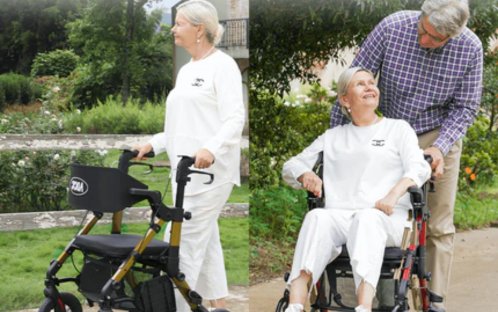
The VOCIC Z51 2-in-1 Rollator Walker and Transport Chair and the VOCIC Z55 2-in-1 Foldable Walker Wheelchair Combo offer some support, braking control, and, when seated, rest, helping the senior walk more smoothly and safely with enhanced stability. It is imperative that equipment be properly sized, brakes used, and that equipment be checked. Additionally, balance and lower-body stability exercises increase the ability to avoid falls.
Promoting Social Interaction to Prevent Loneliness
Loneliness worsens the state of the mind and body. Make a well-organized social interaction. Participate in community activities, older adults centers, volunteering activities or hobby clubs. Video calls are supposed to be employed in a situation where mobility or distance might be a limiting factor to face-to-face interaction. Frequent communication equalizes mood, keeps cognitive ability and makes one notice when there is a change in his or her health or behaviour.
Managing Medication Safely
Due to their advanced age, older adults are at great risk of drug interaction and overdose. Keep a list of one, current medication list. Interaction screening at one pharmacy. Have frequent medication checks with a doctor to eliminate unnecessary medication. Use the pill organizers or timed reminders to get rid of the missed or repeated doses. Do not confuse new over-the-counter products or supplements. Proper compliance eliminates unnecessary hospitalization and maintains chronic illnesses under control.
Conclusion
Several age milestones define senior citizenship as opposed to one standard of senior citizenship, including 50, 55, 60, 62, and 65. The differences influence people to make plans in all aspects of healthcare, benefits, financial, and lifestyle changes, such as the limits of Medicare, Social Security, senior discounts, and local support. As seniors approach these milestones, they may also face challenges in mobility, which is why mobility aids like walkers, canes, and rollators become increasingly important in supporting their independence and daily activities.
Being aware of these age thresholds will help the aged and their families make informed choices, mitigate possible risks and relax towards long-term health in their progression to the next stage of life.
FAQ
Is 55 years old a senior citizen?
Age 55 is one of the early senior milestones used in the business to give discounts, which is not exactly what the federal government demands regarding senior benefits. The majority of government programs regard persons as seniors at 60 or 65.
At what age do you legally become a senior?
No legal age is set, though the most common federal definitions have the age of 65 as a reference point due to Medicare and the conventional retirement age. The eligibility under other programs begins earlier, at 60 or 62.
Who offers senior discounts at 55?
Senior discounts will be available on certain hotels, rental car agencies, retail brands, and a few restaurant chains at 55. The eligibility requirements are varied because these discounts are business-related and optional.
What do 60-year-olds get free?
Most states provide reduced fare transit, discounted community services, and free wellness or senior-centre services after the age of 60. The availability requires the local government and nonprofit programs.



Share:
Best Walking Aids for Balance: Enhance Your Mobility
How to Start Walking After a Broken Ankle?