

The process of healing a broken ankle entails discipline, standard treatment plans, and supervision by medical personnel. The act of walking back cannot be hastened as it may retard healing, or reinjury may occur. An organized recovery strategy is beneficial in the restoration of strength, balance, mobility, and confidence at a safe rate. Walking aids for balance, such as crutches, walkers, or canes, play a critical role in ensuring stability during the recovery process, reducing the risk of falls and helping maintain proper alignment while walking.
This guide will guide the most important stages of recovery, safe walking, symptoms to observe, and effective monitoring of progress. With the correct step taken, the injured ankle would correct itself and mend without difficulties, and would help you walk back to normal.
Understanding the Broken Ankle Recovery Period
After a broken ankle, you should know the way the healing stages work before walking again.
Initial Healing Phase
In the first stage, the injured ankle is typically placed in a cast, splint, or walking boot. The stage is concerned with the healing of bones, the reduction of swelling, and the prevention of additional damage. The majority of patients are not in a position to bear weight within a few weeks, which is based on the type of fracture and whether surgery has been carried out.
Elevation, icing, and light toe movements help maintain circulation. Trying to walk too soon poses the danger of being displaced or having bone failure to fuse. Stability and protection rather than mobility are the major goals during this phase.
Transition to Weight-Bearing (with assistive devices)
Gradual weight-bearing begins once medical imaging confirms early healing. This process may begin by partial loading of the affected leg when walking on assistive aids like crutches, a walking boot, a cane, or a rolled walker. The clinician decides the progression of the load-bearing, generally starting with the use of the toe, then partial, and then full weight-bearing. This phase rebuilds confidence and makes the muscles, tendons, and ligaments active again after the periods of immobilization.
Strengthening and Rehabilitation
With the ease of weight-bearing, the rehabilitation changes to the recovery of movement and the development of strength. Physical therapy will add exercises that focus on calf, ankle stabilizers, and foot flexibility. Controlled motions enhance the flexibility of the joints and the elasticity of the tissues. Balance training aids in retraining proprioception, which becomes extremely weak following immobilization. This stage is also aimed at correcting the problem of stiffness, improving the walking habits, and decreasing reliance on assistive equipment.
Full Recovery and Return to Activity
The final stage transitions the patient to assisted and unassisted, effective movement. Functional exercises and progressive loading strengthen the body, improve balance and endurance. The majority of people gradually go back to low-intensity activities such as cycling, elliptical training or swimming and advance to more strenuous ones. Complete recovery can be realized in several months to a year depending on the complexity of the fracture and the ability of the patient to recover.

Walking After a Broken Ankle: Step-by-Step Guide
If you want to regain the ability to walk safely, use the following progression.
Use Assistive Devices
The assistive devices make the process of walking steady and injury-free at the initial walking stages. The offloading of the ankle is done with the assistance of crutches and gradual distribution of weight with the help of a walking boot. A cane is used to partially support the gait when it becomes better.
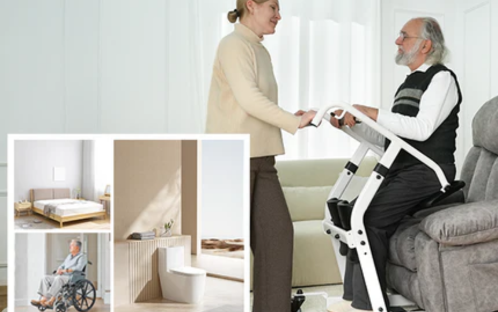
Additionally, rollators and walkers offer great stability to the elderly or those who have difficulties with balance. VOCIC Z51 2-in-1 Rollator Walker & Transport Chair functions as both a rollator and a seated transport aid, providing strong assistance.
Practice Short Distances
Start with short and controlled walking distances. Practice good gait mechanics, ensuring that the steps are slow and even. The short sessions also minimize fatigue, eliminate some instances of compensatory movements, and allow the body to become accustomed to loading. The quality of movement is always important, not the distance.
Gradually Increase Weight-Bearing
The increase in weight bearing should be made only when the ankle sustains the same level without any swelling or sharp pain. Gradually change the light pressure to the complete pressure. The walking boot may serve as a transitional process until the time unassisted weight bearing becomes comfortable.
Focus on Balance and Coordination
Balance training is essential since proprioception becomes weak in the course of immobilization. The easiest exercises, which include standing on the feet with the eyes open and closed, assist in restoring stability. Equipment such as the VOCIC Z63 Rollator Walker – 3-Level Adjustable Damping for Safer Walking provides extra support during early balance retraining, helping maintain stability when practicing, and preventing falls during movement.
Strengthen the Ankle Muscles
Reinjury is prevented by strength restoration. The therapy movements include calf raises, towel scrunches, resistance band exercises, and ankle circles. The muscles around the joint are stronger and assist the joint in strengthening and increasing gait efficiency.
Pay Attention to Pain and Discomfort
The increase in pain during walking is a sign to either reduce the loading or slow down the course. Minimal pain is normal whereas acute, intractable or swelling is the sign of overuse.
Stay Consistent with Recovery
Walking and physical exercises will ensure gradual improvement. Exercise strengthens the joints and makes them move entirely again and the body returns to a natural pace. Lack of sessions will delay the healing process and the dependence on assistive devices.

Monitoring Your Progress and Knowing When to Seek Help
After following the walking guide for recovery, it’s vital to observe your progress and take the time to seek help. Below are the tips to help you during the recovery process.
Tracking Your Walking Distance and Endurance
Record the walking time, distance, and weight-bearing levels per day. When the progress goes on in a gradual manner over a period of weeks, then it shows healthy progression. The observation facilitates the process of locating plateaus and the time of day when it is safe to be active.
Recognizing Signs of Setbacks or Complications
Possible signs of overloading or complications include swelling that intensifies after light activity, continued sharp pain, redness, or heat. The inability to bear weight that was easy before also indicates a regression.
Adjusting Your Recovery Plan as Needed
In case of a reduction in progress, the intensity of rehabilitation might need to be changed. Depending on exercises, your clinician can prescribe more frequent use of such devices as the VOCIC rollators or refer you to specific therapy. Modifications will avoid any reinjury and keep the momentum forward.
Conclusion
Walking with a broken ankle must be gradual with a carefully planned methodology. All the stages of recovery, including the initial shielding, strengthening, and last walking healing, live up to safe developments. It is necessary to use assistive tools such as a transport chair, build up weight gradually, monitor pain indicators, and engage in regular rehabilitation.
Most people walk again with confidence and with patience, and with the correct direction, they are able to walk again fully. An organized strategy will avoid failure and assist with the health of the ankle in the long term without expediting healing.
FAQ
How to walk in a walking boot for beginners?
The walk should be a slow one, with the boot on well; a cane or crutches can be employed besides to give additional support until a person is sure of being able to bear his weight.
How to transition from non-weight-bearing to walking?
You can start with toe-touch and progressively to partial weight-bearing, but only full weight when medically approved.
What is the best walking aid for a broken ankle?
The choice is available, though rollators like the VOCIC Z63, or a 2-in-1 walker like the VOCIC Z51, provide high stability in the initial walking stages.
What helps walking after a broken ankle?
Assistive devices or mobility aids, physical therapy, weight-bearing progression and balance exercises coupled with strengthening training can be used to achieve safe recovery.

Share:
What Age is Considered a Senior Citizen?
How to Choose the Best Shower Chairs in 2026