
Balance, leg control, and energy can change throughout the day for people with multiple sclerosis. A short walk that feels manageable in the morning may become difficult later because of fatigue, stiffness, foot drop, or reduced coordination. The right mobility aid can conserve energy, improve safety, and make it easier to stay involved in work, errands, family life, and community activities.
Why Might Someone With MS Need a Mobility Aid?
Using a mobility aid does not mean someone has completely lost the ability to walk. Many people use one to reduce effort, prevent falls, or save enough energy for the parts of the day that matter most.
Common reasons include:
- Balance and coordination changes: Added support can make turning, stopping, and walking through busy spaces more controlled.
- Leg weakness or stiffness: A cane, walker, or wheeled device may reduce the effort needed to move safely.
- Fatigue during longer walks: A seat or powered device can preserve energy during appointments, shopping, and community outings.
- Foot drop and tripping: Toe drag can make the foot catch on floors, curbs, or uneven ground.
- Changing mobility from day to day: Some people need different levels of support depending on symptoms, heat, sleep, or activity.
- More support for community outings: Airports, hospitals, parking lots, stores, and events often involve more distance than expected.
A physical therapist or occupational therapist can evaluate gait, balance, transfers, hand control, home layout, and daily routines before recommending a device.
What Types of Mobility Aids Can Help With Multiple Sclerosis?
Mobility aids range from light walking support to full seated mobility. Each category solves a different problem, so the choice should begin with the amount of support the person needs.
Canes and Forearm Crutches
A cane provides light support and may help when weakness or imbalance affects one side more than the other. A wider cane base can add stability, though it may feel harder to position during each step.
Forearm crutches provide more support through the arms and can suit people who need help on both sides but still have enough strength and coordination to use them safely. Both options require correct height and technique.
Standard Walkers and Rollators
A standard walker supports slow, controlled steps and may suit someone who needs to place more weight through the frame. A front wheeled walker reduces the need to lift the entire device.
A rollator walker moves continuously on three or four wheels and usually includes hand brakes and a seat. It may suit someone who can walk but needs easier movement and planned rest breaks. The user must be able to steer, brake, turn, and sit safely.
For more detailed model comparisons, a guide to the best walkers for MS patients can help separate options for balance support, fatigue, posture, outdoor walking, and changing endurance.
Orthoses for Foot Drop
Foot drop makes it difficult to lift the front of the foot during a step. An ankle foot orthosis can hold the foot in a better position, while functional electrical stimulation may activate the muscles involved in lifting it.
A walker can improve balance, but it does not correct the foot movement itself. Foot drop should be assessed by a neurologist, physical therapist, orthotist, or another qualified clinician.
Mobility Scooters
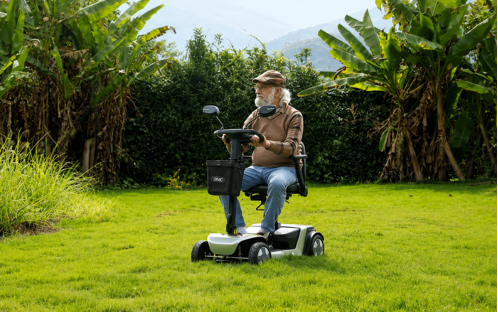
A mobility scooter can conserve energy during long community routes while allowing the user to walk shorter distances when appropriate. It may work well for shopping centers, large campuses, attractions, and neighborhood trips.
Scooters require safe transfers, adequate trunk and upper body control, reliable steering, and enough space for storage and charging. They can be harder to use in narrow homes or tight indoor routes.
Manual and Power Wheelchairs
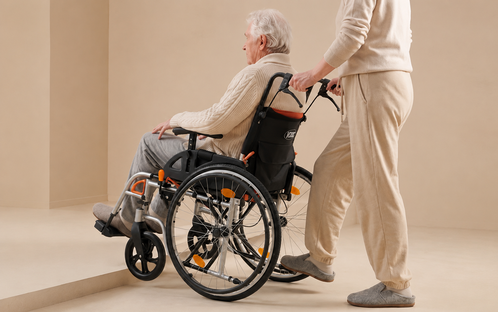
A manual wheelchair may suit someone who has help from a caregiver or enough upper body function for self propulsion. A power wheelchair can provide greater independence when walking is unsafe, exhausting, or too limited for daily needs.
Wheelchair selection should include seating, pressure management, controls, transport, home access, and the surfaces the chair must handle.

How Do You Match a Mobility Aid to MS Symptoms?
Symptoms provide a better starting point than choosing a device by appearance or product category. The same person may also need different mobility aids for home, work, travel, and longer outings.
Balance and Coordination
Mild one-sided instability may be manageable with a cane. For more frequent loss of balance, comparing the best walking aids for balance can help narrow the choice to a walker, rollator, or another support option with a wider support base.
A four-wheel rollator can move smoothly, but it may roll too freely for someone who needs heavy support or has difficulty reacting quickly. Brake control and turning ability should be tested before regular use.
Fatigue and Limited Endurance
A rollator with a seat can help when the person still walks safely but needs regular breaks. A scooter becomes more practical when community distances consume too much energy or leave little capacity for the actual activity.
The VOCIC D62 ACE Turn Mobility Scooter is designed for longer community outings, with an 18 mile listed range, a 300 lb capacity, dual batteries, and a tight turning radius. Those features can help someone move through stores, medical campuses, or community spaces while saving their walking energy for transfers and shorter routes. The user still needs to confirm safe operation, charging access, storage, and transportation.
Leg Weakness and Spasticity
A walker may reduce the demand on weak legs, but leaning heavily through the arms can create wrist and shoulder strain. Spasticity may also affect step length, foot placement, and turning.
A therapist can determine whether a standard walker, rollator, forearm support, brace, or seated device provides the safest movement pattern.
Foot Drop
Repeated toe catching, high stepping, or uneven shoe wear may point to foot drop. A walking aid may lower fall risk by adding support, but an ankle-foot orthosis or functional electrical stimulation may address the lifting problem more directly.
The safest plan often combines gait assessment, suitable footwear, targeted treatment, and an appropriate mobility aid.
Changing Symptoms
Some people can begin an outing on foot but become less steady as fatigue builds. A device that supports more than one mobility level may help when a caregiver is present.
The VOCIC Z51 Rollator Walkers with Seat works as a rollator during independent walking and converts to a caregiver pushed transport chair when the user needs more help. Its 10-inch front wheels support paved outdoor routes, while the built-in seat, reversible backrest, footrests, and one hand fold address rest, transport, and car storage needs. Transport mode depends on a caregiver and does not replace a self-propelled wheelchair.
How Do You Choose a Walking Aid for Multiple Sclerosis?
The best walking aid for multiple sclerosis should provide enough support without creating extra effort, poor posture, or difficult handling. Compare the device during real walking, turning, sitting, and transport.
Level of Support
A cane provides the least support, followed by forearm crutches, wheeled walkers, and standard walkers. Rollators move more easily but require greater brake and steering control.
Choose based on how much support the person places through the device, not only how far they can walk.
Grip and Brake Control
Hand weakness, numbness, tremor, pain, or slower reactions can affect brake use. The user should be able to slow, stop, and lock a rollator without changing grip or using excessive force.
When reliable brake control is difficult, a standard or front wheeled walker may provide more predictable movement.
Seat and Rest Support
A seat can help someone rest before fatigue changes their gait. Check seat height, width, back support, and the ability to lock the brakes before sitting.
A rollator seat is intended for stationary rest. It should not be used for caregiver transport unless the product includes a dedicated transport chair mode.
Indoor and Outdoor Use
Small wheels work well on smooth floors and in tighter rooms. Larger wheels move more easily across sidewalk joints and maintained outdoor paths but add size and weight.
Measure doorways, hallways, elevators, and vehicle storage before choosing a large outdoor model.
Weight and Transport
The user or caregiver may need to fold the device, lift it into a vehicle, or carry it over steps. Compare the complete weight, folded dimensions, loose parts, and trunk height.
A lighter walking aid provides little value if it does not offer enough stability. A stronger device may also go unused if it is too difficult to transport.

How Can You Use and Reassess Mobility Aids Safely?
A mobility aid needs correct fitting, practice, and regular review. MS symptoms can change gradually, during a relapse, or in response to fatigue and heat.
Professional Fitting
A therapist can set the handle or arm support height, observe posture, and check whether the user stays close enough to the device. The assessment should also cover transfers, braking, turning, and uneven surfaces.
Practice and Gait Training
Practice in a quiet area before using a new device in stores, parking lots, or crowded spaces. Training should include starting, stopping, backing up, turning, sitting, and moving through doorways.
Plan Around Fatigue and Heat
Fatigue and heat can worsen weakness, coordination, vision, and balance. Schedule demanding tasks during better energy periods, plan rest points, and use cooling strategies when needed.
A mobility aid should help preserve energy before symptoms become difficult to control.
Watch for Falls or Poor Fit
New wrist pain, shoulder tension, leaning, repeated toe catching, difficulty reaching the brakes, or falls may signal poor fit or the wrong device type. Loose hardware and worn wheels also need prompt attention.
Reassess After Symptom Changes
A relapse, repeated falls, reduced hand control, shorter walking distance, or rising caregiver assistance needs should prompt a new assessment. The next step may involve adjustment, a different walker, or powered mobility.
The VOCIC V53 Foldable Electric Wheelchair may fit situations where powered seated mobility has become more appropriate for longer distances. Its folding frame supports car trunk storage, while the joystick, anti tip wheels, dual motors, suspension, and high traction tires address control and outdoor movement. A clinician should still assess seating, transfers, control access, and whether a power wheelchair matches the user’s daily environment.
Conclusion
Mobility aids for multiple sclerosis should match the person’s balance, fatigue, leg control, foot movement, hand function, environment, and changing symptoms. A cane or walker may provide enough support for shorter routes, while a rollator seat, scooter, or wheelchair can conserve energy and expand community access. Professional fitting and regular reassessment help keep the device safe and useful as mobility needs change.
FAQ
How Can Someone Walk Faster With MS?
Walking faster should not come at the expense of balance or energy. A physical therapist can assess step length, strength, foot drop, spasticity, and device fit, then recommend gait training, an orthosis, functional electrical stimulation, or a different walking aid. Improving efficiency and safety usually matters more than increasing speed alone.
Are Free or Low Cost Mobility Aids Available for People With MS?
Coverage and assistance depend on location, insurance, and medical need. In the United States, Medicare may cover prescribed canes, walkers, wheelchairs, or scooters when eligibility rules are met. State assistive technology programs may also offer device demonstrations, short term loans, reuse programs, or financing support. Ask a rehabilitation clinic, insurer, local MS organization, or state assistive technology program about current options.
What Should People With MS Avoid When Choosing a Mobility Aid?
Avoid choosing only by price, wheel size, or appearance. A device may create new risks when it is the wrong height, rolls too quickly, requires more grip strength than the user has, or cannot be transported consistently. Avoid using borrowed or secondhand equipment until its condition and fit have been checked.
What Is the Best Walking Aid for Multiple Sclerosis?
No single walking aid works for everyone with MS. A cane may suit mild one sided imbalance, a standard walker may provide controlled support, and a rollator with a seat may help with fatigue when brake control remains reliable. Foot drop may require an orthosis or functional electrical stimulation in addition to walking support. The safest choice comes from an individual gait and mobility assessment.
Share:
Activities to Do with Seniors: Fun Ideas for Every Ability Level
Traveling With Elderly Parents: How to Plan a Safe and Comfortable Trip