
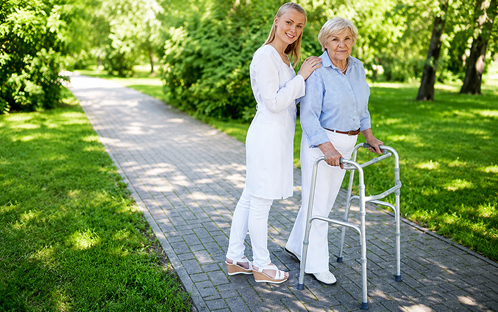
Spending time with an older family member can become difficult when you are unsure what they will enjoy or whether an activity will be too tiring. The best activities to do with seniors match their interests, energy, mobility, and mood on that particular day. A simple conversation, short outing, familiar recipe, or shared project can feel more rewarding than a busy schedule.
How Do You Choose an Activity a Senior Will Enjoy?
Start with the person rather than a list of age-based activities. Think about what they enjoyed earlier in life, what they still talk about, how much energy they have today, and whether they want company, movement, conversation, or quiet time.
- Start with familiar interests: Music, cooking, sports, gardening, crafts, films, and family history often create easy starting points.
- Match the activity to current energy: A short visit may work better than a full afternoon when the person feels tired.
- Give choices: Offer two or three options so the senior can decide what sounds appealing.
- Keep the activity easy to pause: Choose activities that can stop without pressure if pain, fatigue, or frustration increases.
- Focus on enjoyment: Conversation and connection matter more than finishing a project or performing well.
Offer two simple options, such as looking through photos or taking a short drive. Choosing between familiar activities is often easier than deciding how to spend the entire day.
What Are Fun Indoor Activities to Do with Seniors?
Indoor activities work well during bad weather, low energy days, or times when transportation feels difficult. Familiar activities often encourage more natural conversation than a highly structured plan.
Cook or Bake Together
Choose a familiar recipe with a few manageable steps. One person can mix ingredients, read directions, prepare toppings, or share memories connected to the dish.
Keep the work surface comfortable and use seated preparation when standing is tiring. The activity can still feel shared even when a family member handles the oven, knives, or heavier cookware.
Play Cards, Board Games, or Puzzles
Card games, dominoes, word games, and puzzles provide light mental stimulation and conversation. Choose rules the senior already knows or a game that can be learned quickly.
Large print cards, puzzle pieces with clear images, and shorter rounds can make participation easier for people with vision changes, hand stiffness, or reduced concentration.
Look Through Photos and Share Stories
Photos can bring up people, places, celebrations, jobs, and family traditions that may rarely come up in everyday conversation. Ask open questions such as who was there, what happened that day, or what the person remembers most.
Avoid turning the activity into a memory test. Let the senior guide the conversation, even when the story moves away from the photo.
Listen to Music or Watch a Favorite Film
Create a short playlist of familiar songs or watch a favorite movie, concert, comedy, or sports event. Music can also support gentle movement, singing, or conversation about earlier memories. Keep the volume comfortable and add subtitles when hearing dialogue is difficult.
Try Crafts, Gardening, or a Small Home Project
Simple crafts, flower arranging, seed planting, scrapbooking, and seasonal decorations can provide a clear purpose without requiring a long commitment.
Choose materials that are easy to hold and place everything within reach. A small finished project usually feels more satisfying than an ambitious task that becomes tiring.
What Are Fun Outdoor Activities to Do with Seniors?
Outdoor activities can provide fresh air, a change of scenery, and light social contact. Keep the route short and check parking, seating, restrooms, and surface conditions before leaving.
Take a Short Scenic Walk
Choose a flat route with benches, shade, and an easy return point. A neighborhood path, waterfront, botanical garden, or quiet park may work better than a crowded trail, especially for seniors who are already comparing the best walking aids for balance. Let the senior decide when to turn back. A ten-minute walk can still be a successful outing.
Visit a Garden, Museum, or Local Market
Gardens, small museums, libraries, and community markets offer opportunities to look, talk, and move at a flexible pace. Check whether the location has elevators, accessible restrooms, seating, and mobility aid access.
Plan one main area rather than trying to cover the whole venue.
Plan a Picnic or Outdoor Meal
A picnic can be as simple as bringing coffee and snacks to a nearby park. Choose a table close to parking and bring cushions, water, sun protection, and any needed medication.
An outdoor restaurant patio can offer the same change of setting with less setup.
Attend a Community Event
Outdoor concerts, farmers markets, craft fairs, church events, and neighborhood celebrations can help seniors feel connected to the wider community.
Check crowd size, walking distance, noise level, seating, and transportation before going. Arriving early may make parking and movement easier.
Take a Scenic Drive with Short Stops
A scenic drive works well when walking is limited but the senior still enjoys getting out of the house. It can also be a simple starting point for families exploring the best vacations for seniors with limited mobility. Plan one or two easy stops for a viewpoint, meal, coffee, or short visit.
Keep the route comfortable and avoid a full day in the car unless the person already enjoys longer drives.
What Are Meaningful Things to Do with Elderly Parents?
Meaningful time often comes from activities that recognize a parent’s experience and role in the family. These ideas create something to remember or pass on rather than simply filling time.
Record Family Stories
Use a phone or voice recorder to capture stories about childhood, work, relationships, travel, family members, or major life events. Ask one topic at a time and keep sessions short.
Possible prompts include:
- What was your first job?
- What was your childhood home like?
- Which family celebration do you remember most?
- What advice would you give your younger self?
Recreate a Favorite Tradition
Prepare a holiday meal, play music from a family celebration, visit a familiar place, or repeat a small tradition from earlier years.
The activity can be adapted. A simplified version still carries emotional meaning when the original tradition requires too much time or physical effort.
Learn a Skill from Them
Ask the senior to teach a recipe, card game, craft, song, household skill, or piece of family knowledge. This creates a more balanced interaction because the older adult contributes expertise rather than only receiving help.
Make a Family Photo or Recipe Project
Organize photos, write names and dates, collect recipes, or create a small family book. Break the project into short sessions so it remains enjoyable.
A simple folder, digital album, or handwritten recipe collection can be more manageable than a large scrapbook.
Create a Regular Weekly Ritual
A weekly phone call, coffee visit, card game, television night, or Sunday lunch provides something familiar to expect. Consistency often matters more than planning a different activity every time. Choose a schedule that both people can maintain without turning the visit into an obligation.
What Activities Work for Seniors with Limited Mobility?
Limited mobility does not remove the need for variety, purpose, and social connection. The best activities reduce unnecessary walking while allowing the senior to participate as independently as possible, with suitable mobility aids when extra support is needed.

Short Accessible Outings
For seniors who can still walk independently but tire easily, the main challenge may be the distance from parking, a lack of seating, or reduced energy on the return route. Choose parks, museums, community markets, and family gatherings with close parking, flat paths, accessible restrooms, and places to sit.
The VOCIC Z35 PackGo can support this type of outing by combining walking assistance with a built in seat for waiting or fatigue breaks. Its lightweight frame and compact fold make it easier to place in a car and bring to the activity rather than leaving it behind because of limited storage space. It suits seniors who want to continue walking independently but need steady support and a reliable place to pause. People who require continuous caregiver pushed mobility may need a transport chair or wheelchair instead.
Seated Exercise and Gentle Movement
Chair exercises can include ankle movements, gentle leg lifts, arm reaches, resistance band work, or movement to music. Keep the range comfortable and stop if the person feels dizzy, short of breath, or unusually weak.
A physical therapist can recommend movements for someone recovering from injury or living with significant balance problems.
Tabletop Games and Creative Projects
Cards, puzzles, painting, flower arranging, model building, and sorting projects can all be completed from a comfortable chair. Adjust the materials for hand strength, vision, and attention.
Choose activities that allow conversation rather than requiring constant concentration.
Indoor Gardening and Simple Cooking
Plant herbs, water small pots, arrange flowers, decorate cookies, or prepare a cold dish from a seated position. Place supplies within easy reach and handle hot, sharp, or heavy items separately when needed.
Virtual Tours and Video Calls
Virtual museum tours, nature videos, online concerts, and video calls can create connection when leaving home feels difficult. A family member can help set up the device and choose content based on the senior’s interests.
Keep technology simple. One familiar app or bookmarked page is often easier than introducing several new tools.
How Can You Make Activities Safer and Less Tiring?
Good planning allows the senior to enjoy the activity without using all their energy just getting there.
Plan Around Energy Levels
Ask when the person usually feels strongest. Morning activities may suit some seniors, while others need extra time after waking or taking medication. Keep the schedule flexible enough to shorten or postpone the activity.
Choose Accessible Locations
Check parking distance, entrances, elevators, surfaces, restrooms, seating, and crowd levels. Call ahead when online accessibility information feels unclear. A technically accessible venue may still involve long routes between key areas.
Include Seats and Rest Breaks
Plan breaks before the senior becomes exhausted. Look for benches, cafés, shaded areas, indoor seating, or rollator walkers with seats along the route. Resting early can help preserve steady walking for the return trip.
Check Weather and Transportation
Heat, cold, rain, and wind can increase fatigue and make surfaces harder to manage. Bring water, suitable clothing, and a backup indoor plan. Allow extra time for getting in and out of the car, loading mobility aids, and walking from parking.
Let the Senior Set the Pace
Avoid rushing, overhelping, or continuing because the activity was already planned. Watch for slower steps, reduced conversation, discomfort, or repeated requests to sit. Ending early can preserve a positive experience and make the senior more willing to join the next activity.
Conclusion
The best activities to do with seniors reflect the person’s interests, current energy, mobility, and desire to participate. Familiar indoor activities, short outings, family projects, and regular rituals can all create meaningful time together. Keep plans flexible, provide accessible rest options, and let the senior guide the pace so the activity feels enjoyable rather than demanding.
FAQ
What activities do seniors enjoy most?
Many seniors enjoy familiar activities connected to personal interests, such as music, cooking, gardening, games, family stories, films, and short outings. Ask the individual rather than assuming everyone in the same age group enjoys the same things.
What can I do with an elderly parent who has limited mobility?
Try photo conversations, seated cooking, crafts, chair exercise, video calls, scenic drives, or short accessible outings. Choose activities with nearby seating, simple transportation, and an easy way to stop when fatigue increases.
How can I encourage a senior who does not want to participate?
Offer two simple choices and avoid pressure. The person may feel tired, uncomfortable, anxious, or uninterested in the activity itself. Start with a short familiar option, such as listening to one song or having coffee outside.
What are some free activities to do with seniors?
Free options include neighborhood walks, family storytelling, photo sorting, music, library visits, card games, simple gardening, community events, video calls, and scenic drives using a familiar route.
How often should I plan activities with an elderly parent?
Choose a frequency that feels sustainable for both people. A short weekly activity or regular phone call often works better than occasional elaborate plans. Adjust the schedule when health, energy, or caregiving needs change.
Share:
Best Walkers for MS Patients: Picks for Balance, Fatigue, and Daily Mobility
Mobility Aids for Multiple Sclerosis: Types, Uses, and How to Choose