
Many people with arthritis worry that exercise, especially walking, could worsen their pain. In reality, growing research and recent reports show that walking can help relieve symptoms, particularly for individuals with knee or osteoarthritis. As a low-impact activity, walking improves joint flexibility and strengthens surrounding muscles, which in turn reduces stress on the joints.
In this article, we will examine the specific benefits of walking for joint health, address concerns about initial discomfort, and provide tips for building a safe routine. We will also outline essential gear and answer common questions to help you manage arthritis through movement with confidence.
Why Is Walking Beneficial for Arthritic Joints?
Walking is often described as "motion is lotion" for your joints. Far from causing wear and tear, a consistent walking routine provides several physiological benefits that can actually slow the progression of arthritis and reduce chronic pain.
Strengthen Supporting Muscles
Walking engages the muscles in your legs, hips, and core. When these muscles are strong, they act as a natural bracing system for your joints, absorbing the shock of each step and taking the direct load off the sensitive joint surfaces. Building functional strength is crucial for preventing falls in the elderly. Strengthening muscles not only protects the joints but also improves coordination and stability, leading to a safer, more stable gait.
Nourish Joint Cartilage
Unlike skin or muscles, joint cartilage has no direct blood supply; it relies on joint movement for nutrition. The repetitive compression and release during walking help circulate nutrient-rich fluid into the cartilage, keeping it healthy and resilient.
Increase Synovial Lubrication
Think of walking as "greasing the gears" of your body. Movement triggers the release of a natural fluid that coats your joints, acting like oil to keep everything sliding smoothly. By increasing this natural lubrication, you reduce the harsh "bone-on-bone" friction that often causes sharp pain. Over time, this makes moving around feel less stiff and significantly more comfortable.
Manage Body Weight
Maintaining a healthy weight is one of the most effective ways to manage arthritis. For every pound of weight lost, there is a four-pound reduction in pressure on the knees. Walking is an accessible way to burn calories and reduce the overall mechanical stress on your lower body.
Improve Joint Mobility
Arthritis often leads to a cycle of inactivity and stiffness. Walking helps maintain and improve the functional range of motion in your knees, hips, and ankles. By keeping the joints moving, you prevent the surrounding tissues from tightening, which helps preserve your independence and daily function.
Is Discomfort Normal During the Initial Stages?
If you haven't been active for a while, it is perfectly normal to feel some mild discomfort when you first start walking. Much like a rusty door hinge, your joints may feel stiff or achy at the beginning of your stroll. For most people, this "rusty" feeling actually begins to fade after a few minutes of movement as the joints warm up and natural lubrication kicks in.

To manage this transition safely, many experts recommend the "two-hour pain rule." It is common to feel some muscle soreness after exercise, but if your joint pain feels significantly worse two hours after you finish than it did before you started, you likely pushed yourself too hard. This isn’t a reason to quit; it’s simply a signal to shorten your distance or slow your pace the next time you head out.
If balance issues or joint stiffness make walking challenging, using the best walking aids for balance can provide the support you need to keep going. Whether it's a sturdy cane to ease pressure on a sore knee or a four-wheeled rollator with a built-in seat for rest, the right aid helps you stick to the two-hour rule by preventing overexertion.
While mild aching is part of the adjustment process, you should always listen to your body’s warning signs. If you experience sharp, stabbing pain that causes you to limp, or if you notice new swelling and joints that feel "hot" to the touch, stop and rest.
The goal is to find a balance where you are moving enough to nourish the joint without causing a flare-up. With patience, your body will adapt, and the initial discomfort will eventually give way to better mobility and less daily pain.
How Can You Build a Safe Walking Routine?
For many people, especially older adults managing long-term arthritis, the key to success lies in a gradual and structured approach. Building a routine is not about high intensity; it is about protecting joint integrity while slowly increasing activity levels.
Start With Small Goals
It is often best to begin with short sessions of just 5 to 10 minutes. For seniors or those with significant joint stiffness, even several brief walks throughout the day can be more beneficial and less taxing than one long trek. Progress should be measured in consistency rather than distance.
Shorten Stride Length
Overextending the legs with long strides can increase the impact on hip and knee joints. Adopting a shorter, more natural stride helps keep the body’s weight centered over the joints, which minimizes jarring forces and reduces the risk of accidental trips or falls.
Choose Flat Surfaces
Walking on uneven ground, like grass or cracked sidewalks, can put extra stress on your joints. Flat surfaces, such as paved paths in parks, indoor walkways, or smooth tracks at the gym, are safer and more stable, especially for older adults or those with balance issues.
Warm Up and Stretch
Joints should never be pushed into activity without preparation. A proper warm-up might include gentle range-of-motion exercises like ankle circles or seated leg extensions to wake up the joints. Following the walk, light stretching can help maintain flexibility and prevent the muscles from tightening up afterward.
Consider Water Walking
For those dealing with pain or finding regular exercise too hard, water walking is a great option. The water's buoyancy supports most of your body weight, helping strengthen muscles and move joints without the painful impact of walking on land.

What Gear and Support Are Necessary for Success?
Having the right equipment is essential for protecting arthritic joints and ensuring long-term safety. For many older adults, specialized gear can mean the difference between a painful struggle and an enjoyable, sustainable habit.
Choosing Supportive Footwear
The right shoes are key to a safe walking routine. For arthritis, choose shoes with good arch support and cushioned soles to absorb shock, reducing pressure on your knees and hips. A wide toe box is also useful for those with bunions or swelling.
Using Shoe Inserts or Trekking Poles
Orthotic shoe inserts can help evenly distribute weight across your feet, improving alignment. Trekking poles or walking sticks also help by transferring some weight from your lower joints to your upper body, offering extra balance, especially on outdoor paths.
Using Rollator Walkers
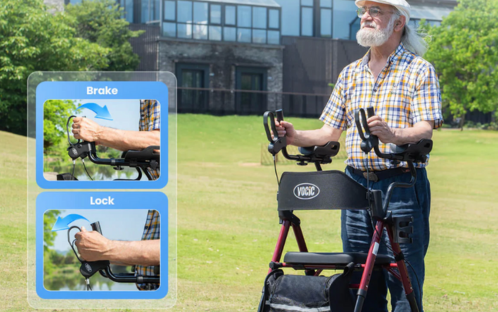
For individuals who require more significant stability or need frequent breaks, a rollator walker is a vital tool. A high-quality walker for seniors, such as the VOCIC Z22 Upright Foldable Rollator, allows the user to walk in a more natural, upright position rather than slouching over. This upright design reduces strain on the back and neck, while the built-in seat provides a safe place to rest whenever needed. By using a specialized walker for seniors, many individuals find they can extend their walking distance and navigate their surroundings with much greater confidence.
Staying Hydrated with a Water Bottle
Staying hydrated is crucial for overall health, including joint function. Since joint cartilage is mostly water, proper hydration helps maintain its thickness and the lubrication of synovial fluid, reducing friction. Water also supports muscle function, helps regulate body temperature during exercise, and aids in recovery. Carrying a lightweight, easy-to-grip water bottle ensures you can stay hydrated throughout your walk.
Consulting Medical Professionals
Before starting any new exercise routine, it's important to consult a doctor or physical therapist. They can assess your needs, recommend exercises to avoid, and suggest the right gear based on your type of arthritis.
Conclusion
In conclusion, walking is safe and highly effective for those with arthritis. It helps reduce joint pain, improve mobility, and strengthen the muscles supporting the joints. Starting slowly with proper support, such as good footwear or a rollator walker like the VOCIC Z22 for seniors, is key. Research shows that staying active is far better for joint health than staying sedentary. By committing to a regular, low-impact walking routine, individuals with arthritis can protect their joints, maintain independence, and enhance their quality of life.
FAQ
1. What not to do when you have arthritis?
It is essential to avoid high-impact activities that involve repetitive jumping or running, as these can subject damaged joints to excessive jarring forces. Additionally, it is advisable to avoid prolonged periods of sedentary behavior, as inactivity can lead to muscle weakness and increased joint stiffness. When exercising, it is crucial not to "push through" sharp or stabbing pain, which is a signal from the body to rest or adjust the activity.
2. What is the best exercise for arthritis?
While walking is highly recommended for its accessibility, the "best" exercise is often a combination of low-impact activities. This includes swimming or water aerobics (which removes weight from the joints), cycling (which builds leg strength with minimal impact), and gentle strength training to support the skeletal system. Using appropriate mobility aids can also help you stay active by providing the necessary support to perform these exercises safely and with less joint strain.
3. What aggravates arthritis?
Common triggers for arthritis flare-ups include sudden changes in weather, prolonged periods of inactivity, and excessive repetitive strain. Diet and dehydration can also play a role; high-inflammatory foods (like processed sugars) and a lack of water can increase joint sensitivity and discomfort.
4. Can too much walking make arthritis worse?
While walking is beneficial, overexertion can lead to temporary inflammation. If walking causes pain that lasts for more than two hours after the activity or results in significant new swelling, it is a sign that the duration or intensity was too high. The goal is to find a sweet spot of regular movement without overtaxing the joints' current capacity.
Share:
Caregiving Shouldn't Be a Physical Burden: Why We Engineered the AY03
How to Use a Sit-to-Stand Lift