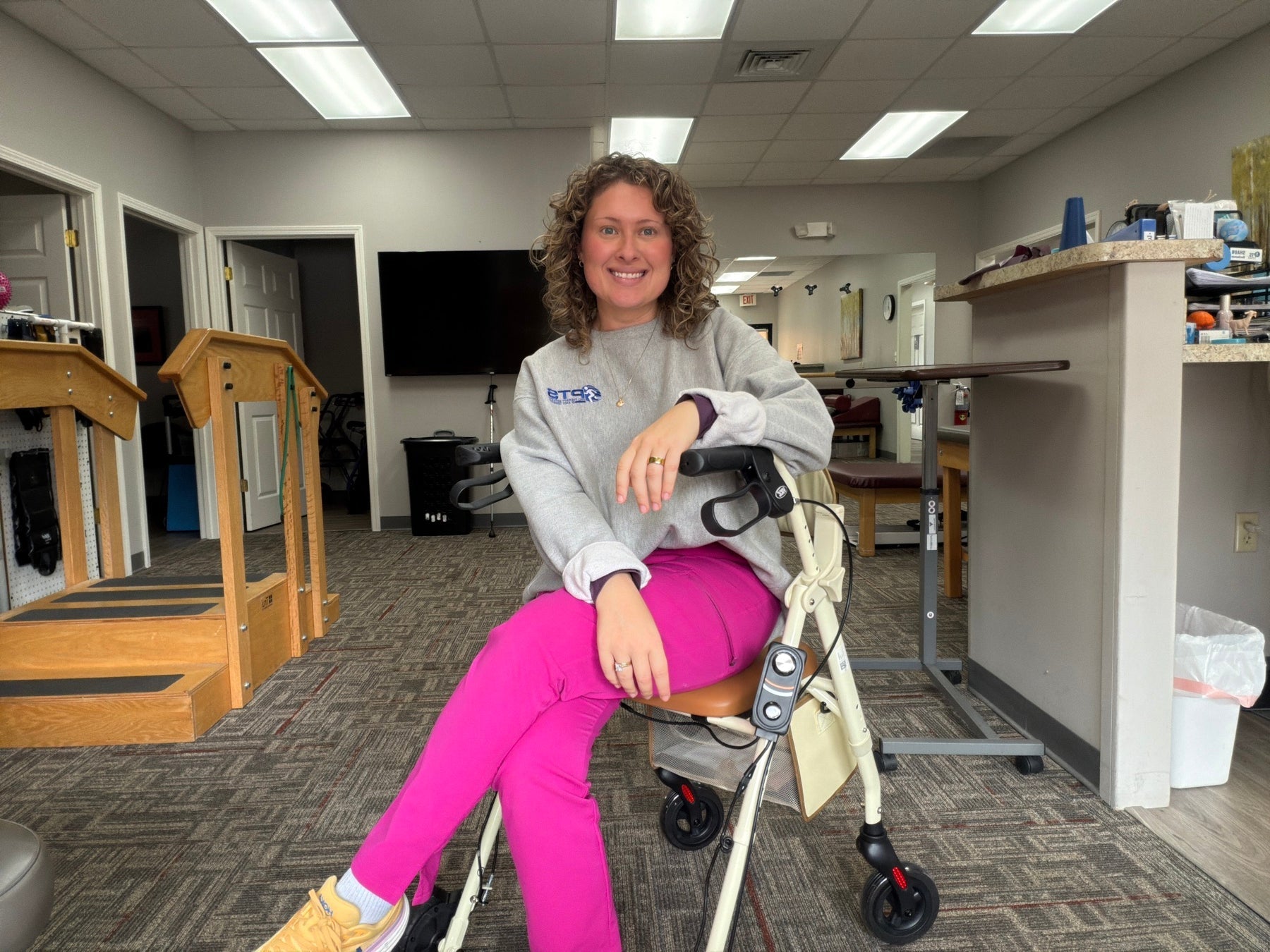
As an occupational therapist, my role is rooted in one fundamental goal: helping others gain their highest form of independence, safety, and confidence in their daily lives. Whether I am working with patients in recovery, supporting caregivers, or collaborating with healthcare teams, I consistently see how the right adaptive technology can transform outcomes. The Z63 VOCiC Rollator stands out as a powerful example of how innovation can bridge gaps in function, communication, and dignity through mobility.
For patients in recovery, especially those with upper extremity injuries, neurological conditions, or limited mobility, everyday tasks can feel overwhelming. Simple actions such as walking from one room to the next can be very difficult. The Z63 VOCiC Rollator restores a sense of control by offering accessible and innovative technology through its advanced damping system that provides a guided resistance with propulsion towards reducing the risk of falls with propulsive tendencies. From an OT perspective, this directly supports occupational performance by reducing fearful behaviors, increasing confidence, and promoting independence in functional mobility task. Patients are not just completing tasks, they are reclaiming autonomy. That restoration of independence often plays a critical role in emotional recovery and self-esteem.

Caregivers, too, benefit profoundly from this technology. Many caregivers carry an invisible weight: constant vigilance, worry of safety, and the emotional toll of being responsible for another person’s well-being can truly feel like a heavy weight is placed on their every day life. The Z63 VOCiC Rollator reduces that burden by offering reliable support systems that enhance patient safety and communication. Caregivers gain peace of mind knowing their loved one has a dependable tool that promotes independence in return improving the didactic relationship as well. In my experience, when caregiver stress decreases, the quality of care improves, and relationships become healthier and more sustainable.

Healthcare workers face a different, but equally demanding, set of challenges. Time constraints, high caseloads, and insurance reimbursement can greatly impact the quality of tools that we can provide for our patients. The Z63 VOCiC Rollator supports healthcare professionals by streamlining a patient’s safety towards their discharge goals. It allows us as healthcare workers to focus more on therapeutic engagement rather than compensating for logistical barriers. From a clinical standpoint, this means better adherence to care plans, fewer misunderstandings, and improved patient outcomes.
What makes the Z63 VOCiC Rollator especially valuable is that it aligns seamlessly with occupational therapy principles. It supports participation, promotes independence, enhances safety, and respects the individual’s right to meaningful engagement in life. It is not just a device, it is a tool for empowerment.

From an occupational therapist’s perspective, this is the true impact of adaptive technology: not merely improving function, but restoring confidence, connection, and quality of life. The Z63 VOCiC Rollator does exactly that for our patients, caregivers, and healthcare professionals alike. Mobility is not just about walking, it’s about living and the Z63 VOCiCRollator does just that.
Share:
Upright Walker