
Spring brings warmer temperatures, blooming landscapes, and renewed motivation to spend time outdoors. For older adults and individuals with mobility challenges, spring outings can provide important physical, emotional, and social benefits. However, seasonal changes also introduce specific risks that require thoughtful preparation. From uneven terrain to fluctuating weather, occupational therapy emphasizes proactive planning to support safety, independence, and participation in various setting types.
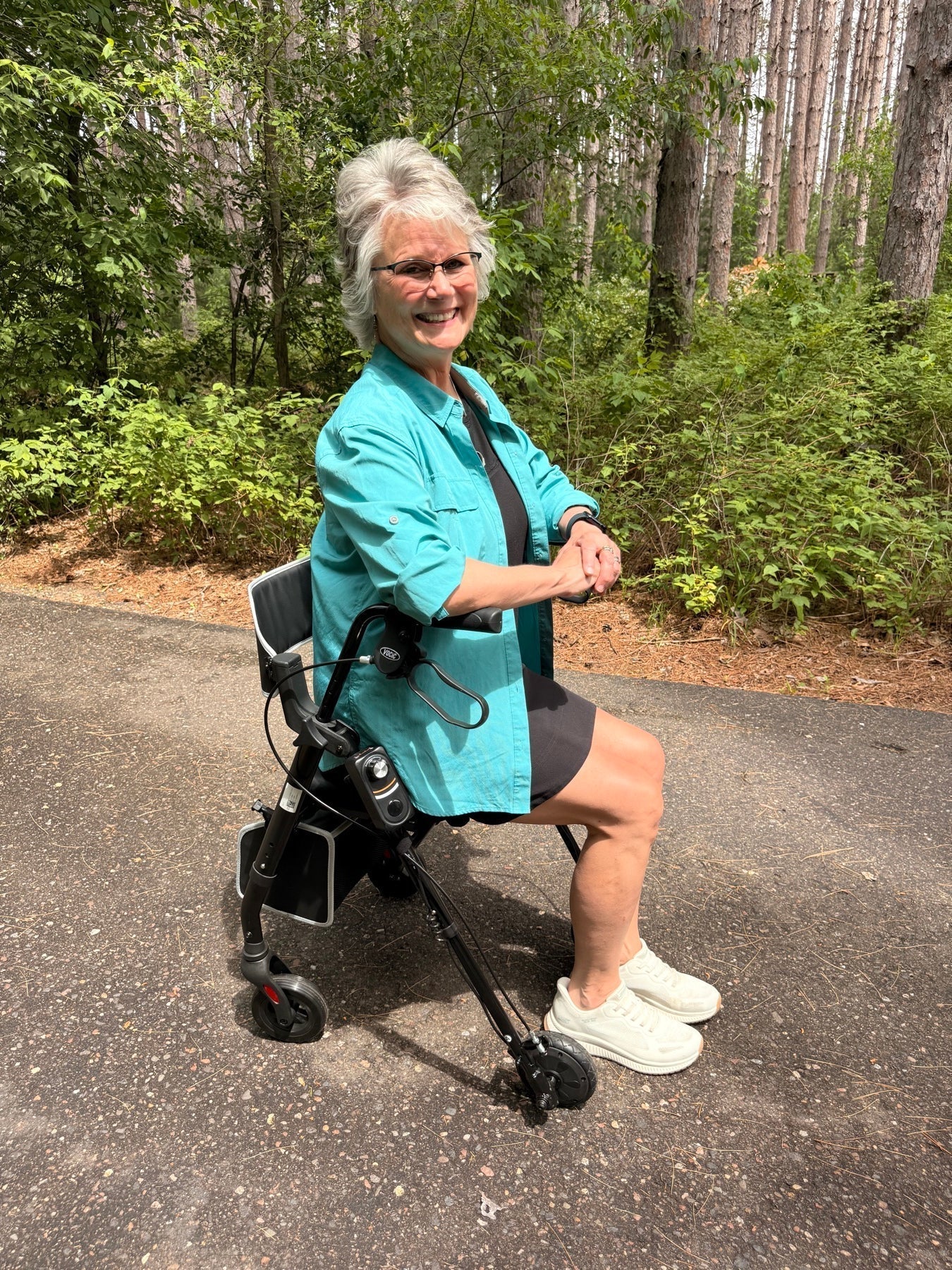
One of the primary considerations for spring outings is environmental awareness. After winter, sidewalks and pathways may be cracked, slippery from rain, or obstructed by debris. Occupational therapists recommend selecting routes that are well maintained and free from excessive slopes or loose gravel. Parks with paved walking paths and rest areas are often more accessible and allow for frequent breaks. When navigating outdoor spaces, mobility aids such as a rollator walker can improve balance and reduce fall risk. Many individuals benefit from lightweight and adjustable devices, such as those offered by VOCIC (such as Z23, Z11, Z35, etc), which are designed to enhance stability while remaining portable and easy to maneuver.


Weather-related precautions are equally important. Spring temperatures can fluctuate significantly throughout the day, increasing the risk of fatigue, dehydration, or discomfort. Dressing in layers allows individuals to adapt to changing conditions while maintaining body temperature. Sun protection, including hats and sunscreen, should be prioritized, especially for individuals with sensory impairments who may not notice early signs of sunburn. Occupational therapists also encourage carrying water and scheduling outings earlier in the day to avoid peak heat or afternoon storms.
Energy conservation strategies play a key role in successful spring outings. Outdoor activities often involve longer walking distances and increased physical demands compared to indoor environments. Planning for seated rest breaks and using mobility aids with built-in seating can help individuals manage endurance. For example, VOCIC rollators with their integrated seats provide an opportunity to pause and recover without needing to locate a bench. This supports continued participation without overexertion, which is especially important for individuals with cardiac, respiratory, or neurological conditions.


Another essential precaution is appropriate footwear. Supportive, non-slip shoes reduce the likelihood of falls on damp grass or uneven pavement. Occupational therapists often assess footwear as part of fall-prevention education, emphasizing proper fit and secure closures. In addition, individuals who use wheelchairs or walkers should ensure that equipment is in good condition, with brakes functioning properly and wheels free of debris. Reliable devices, such as walkers, wheelchairs, and mobility scooters from trusted manufacturers like VOCIC, can contribute to safer mobility and greater confidence in outdoor settings.
Finally, cognitive and sensory considerations should not be overlooked. Spring environments can be visually stimulating and crowded, which may overwhelm individuals with cognitive impairments or sensory processing challenges. Occupational therapy interventions may include visual cues, simplified routes, and clear communication strategies to promote orientation and reduce anxiety. Traveling with a companion can further support safety and provide assistance if unexpected challenges arise.
In conclusion, spring outings offer valuable opportunities for engagement and wellness, but they require intentional precautions. Through environmental planning, energy conservation, proper equipment use, and individualized strategies, occupational therapy supports safe and meaningful outdoor participation. With thoughtful preparation and the use of appropriate mobility aids, individuals can enjoy the season while minimizing risk and maximizing independence.
Share:
VOCIC Welcomes Occupational Therapist Reagan Lamont as Product Officer
Enhancing Mobility and Independence: An Occupational Therapist’s Perspective on the VOCIC Z21 Rollator