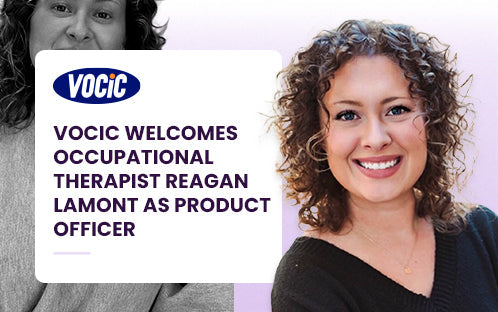
In rehabilitation, progress is often measured in small victories. A few more steps without fear. Standing up without hesitation. Walking across a room without needing reassurance. For Reagan Lamont, a registered and licensed occupational therapist, these moments are never small. They are the quiet markers of independence, dignity, and life returning to its natural rhythm.
Lamont’s career has taken her through skilled nursing facilities and outpatient orthopedic settings, where she has worked closely with individuals navigating recovery, neurological conditions, and long-term mobility challenges. Across these environments, one truth has remained constant: when the right technology meets real human need, outcomes change—not only physically, but emotionally.
“Mobility is rarely just about movement,” Lamont has observed throughout her practice. “It’s about confidence, safety, and the ability to participate in life on your own terms.”
That philosophy is what ultimately brought her to VOCIC, a rehabilitation technology company increasingly recognized for placing human experience at the center of product design. Joining VOCIC as Product Officer, Lamont now works at the intersection of clinical practice and innovation, ensuring that the voices of patients, caregivers, and therapists are reflected in every stage of product development.
Unlike traditional product pipelines that prioritize specifications first, Lamont’s approach begins with lived experience. She has seen how everyday tasks—walking from one room to another, standing up from a chair, navigating a familiar space—can become sources of anxiety when mobility is compromised. Fear of falling, loss of control, and reliance on others often follow.
Products like the Z63 PackGo Rollator represent what clinician-led design can achieve when those realities are acknowledged early. From an occupational therapy perspective, features such as controlled resistance and guided propulsion are not simply technical innovations—they are clinical interventions. By helping regulate movement and reduce fall risk, the rollator supports safer functional mobility while restoring a sense of autonomy.
Patients are not merely completing tasks. They are reclaiming agency. That shift, Lamont notes, often plays a critical role in emotional recovery and self-esteem.
The impact extends beyond patients themselves. Caregivers—frequently carrying the unseen burden of constant vigilance—benefit from tools that provide reliable safety without undermining independence. When technology reduces the need for continuous monitoring, caregivers gain peace of mind, relationships become healthier, and care becomes more sustainable.
Healthcare professionals face yet another layer of complexity. Time constraints, high caseloads, and systemic pressures can limit the effectiveness of even the best care plans. Clinician-informed mobility solutions help streamline safety toward discharge goals, allowing therapists to focus on therapeutic engagement rather than compensating for inadequate equipment. The result is clearer communication, better adherence, and improved outcomes.
“What makes this work meaningful,” Lamont explains, “is knowing that the design choices we make ripple outward—to patients, families, and clinicians alike.”
For VOCIC, her presence signals a broader commitment: listening first. The company’s mission is not to replace independence, but to protect it. Not to chase speed, but to honor dignity. By embedding clinical insight directly into product strategy, VOCIC continues to evolve rehabilitation technology into something more human, more responsive, and more compassionate.
As Lamont often emphasizes, mobility is not simply about walking. It is about showing up—for breakfast tables, morning walks, doctor visits, family gatherings, and the countless moments that quietly define a life. When technology is shaped by empathy and evidence, it becomes more than a device. It becomes a bridge back to living.
About VOCIC
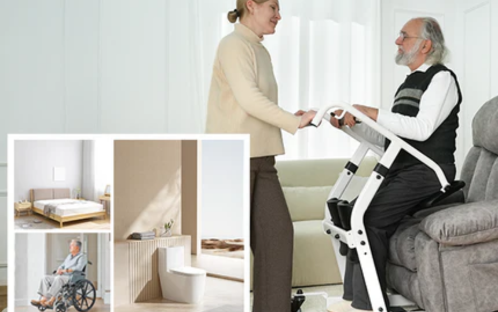
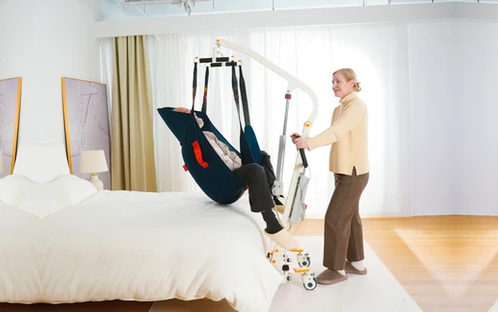
Through smart design, thoughtful engineering, and deep respect for those who rely on its products, VOCIC creates rollators, scooters, and lift solutions that support everyday moments—from morning routines to meaningful milestones. Every product exists to protect independence, reduce risk, and help individuals keep participating in life on their own terms.
Wherever there is a will to move, VOCIC helps make movement possible—turning “I wish I could” into “I’m on my way.”
Share:
Upright Walker
Spring brings warmer temperatures