
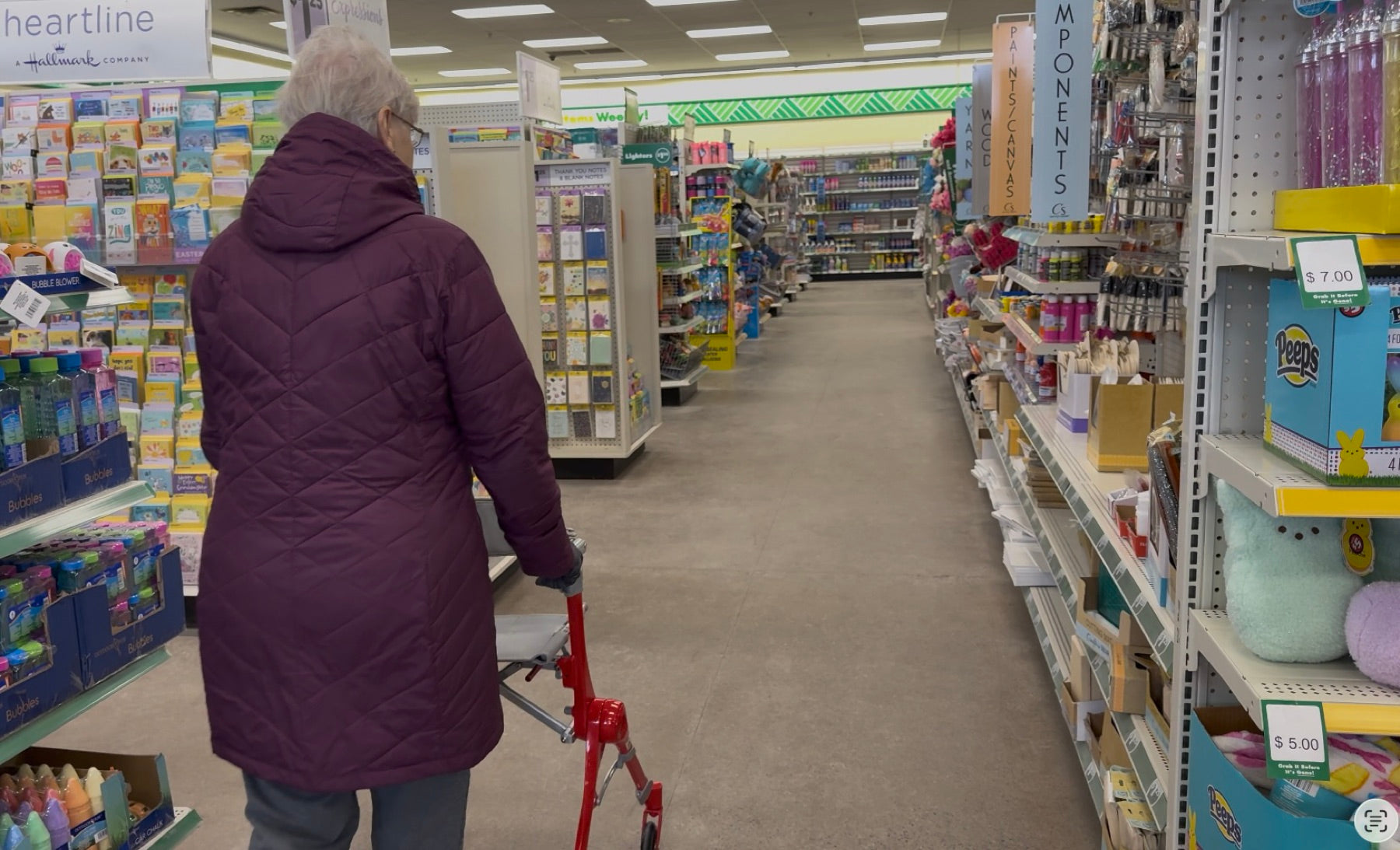
As an occupational therapist, one of the most common misconceptions I hear is that staying healthy requires spending hours in the gym. While structured exercise certainly has its place, the truth is much simpler: everyday movement is one of the most powerful forms of medicine we have.
Healthy aging isn't about chasing perfection—it's about maintaining the ability to do the activities that bring purpose and joy to life. Whether that's gardening, walking the dog, preparing a favorite meal, or keeping up with grandchildren, mobility is what makes those meaningful moments possible.
Unfortunately, many older adults begin moving less because of pain, fear of falling, fatigue, or declining confidence. While these concerns are understandable, reducing movement often creates a cycle that can actually worsen strength, balance, endurance, and independence over time.
The good news? Small, consistent movement throughout the day can have a tremendous impact on overall health.
As occupational therapists, we encourage movement that has purpose. Rather than focusing only on exercise, we look at daily occupations—the activities people need and want to do—and use those as opportunities to build strength, improve balance, and increase endurance.
Simple activities like standing up from a chair several times, carrying groceries, walking to the mailbox, climbing stairs, or completing household chores all challenge the body in meaningful ways. These functional movements improve cardiovascular health, maintain muscle mass, preserve joint mobility, and support bone health. They also enhance coordination and reduce the risk of falls by improving balance and reaction time.

Movement benefits more than just the body. Research consistently shows that regular physical activity supports cognitive health, improves mood, reduces symptoms of anxiety and depression, and promotes better sleep. Staying active also helps individuals remain engaged in their communities and continue participating in the hobbies and routines that give life meaning.
One of the biggest barriers to movement is believing it has to be all or nothing. In reality, every movement counts. Taking a few extra walks throughout the day, standing during television commercials, parking farther from the entrance, or choosing the stairs instead of the elevator are all opportunities to build healthier habits. These small choices accumulate over time and often lead to significant long-term benefits.
For individuals who require additional support, mobility aids can be valuable tools for maintaining independence—not signs of giving up. The right equipment can increase confidence, improve safety, reduce fatigue, and allow people to continue participating in everyday activities they enjoy. When mobility feels easier and safer, people are naturally more likely to stay active.

Healthy aging isn't about moving perfectly or avoiding every challenge that comes with getting older. It's about continuing to move in ways that support your goals, your independence, and your quality of life.
Every step, every sit-to-stand, every walk through the neighborhood, and every moment spent doing what you love is an investment in your future health.
Because at the end of the day, everyday movement truly is the best medicine.
Share:
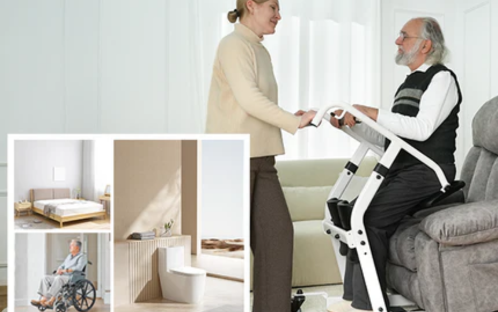
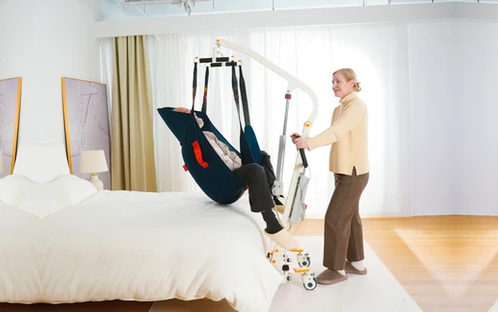
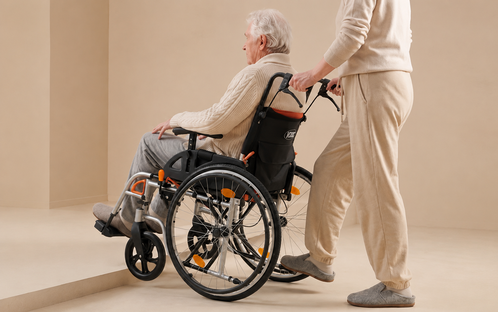
How a Portable Transfer Wheelchair Can Improve Independence and Caregiver Confidence: An Occupational Therapist’s Perspective