
As occupational therapists, one of our primary goals is to help individuals maintain independence, safety, and quality of life for as long as possible. For individuals living with Alzheimer's disease and other forms of dementia, changes in cognition, balance, strength, and mobility can create challenges that impact participation in daily activities. Fortunately, assistive devices can play a valuable role in supporting function while reducing caregiver burden.
Why Assistive Devices Matter in Alzheimer's Care
Alzheimer's disease often affects a person's ability to safely complete everyday tasks. As the disease progresses, individuals may experience decreased balance, impaired judgment, difficulty sequencing movements, and reduced awareness of safety risks. These changes can increase the likelihood of falls, injuries, and dependence on caregivers.
Occupational therapists assess each individual's physical, cognitive, and environmental needs to identify strategies and equipment that promote successful participation in meaningful activities. Assistive devices are not simply tools—they are interventions that can help preserve dignity, confidence, and independence.
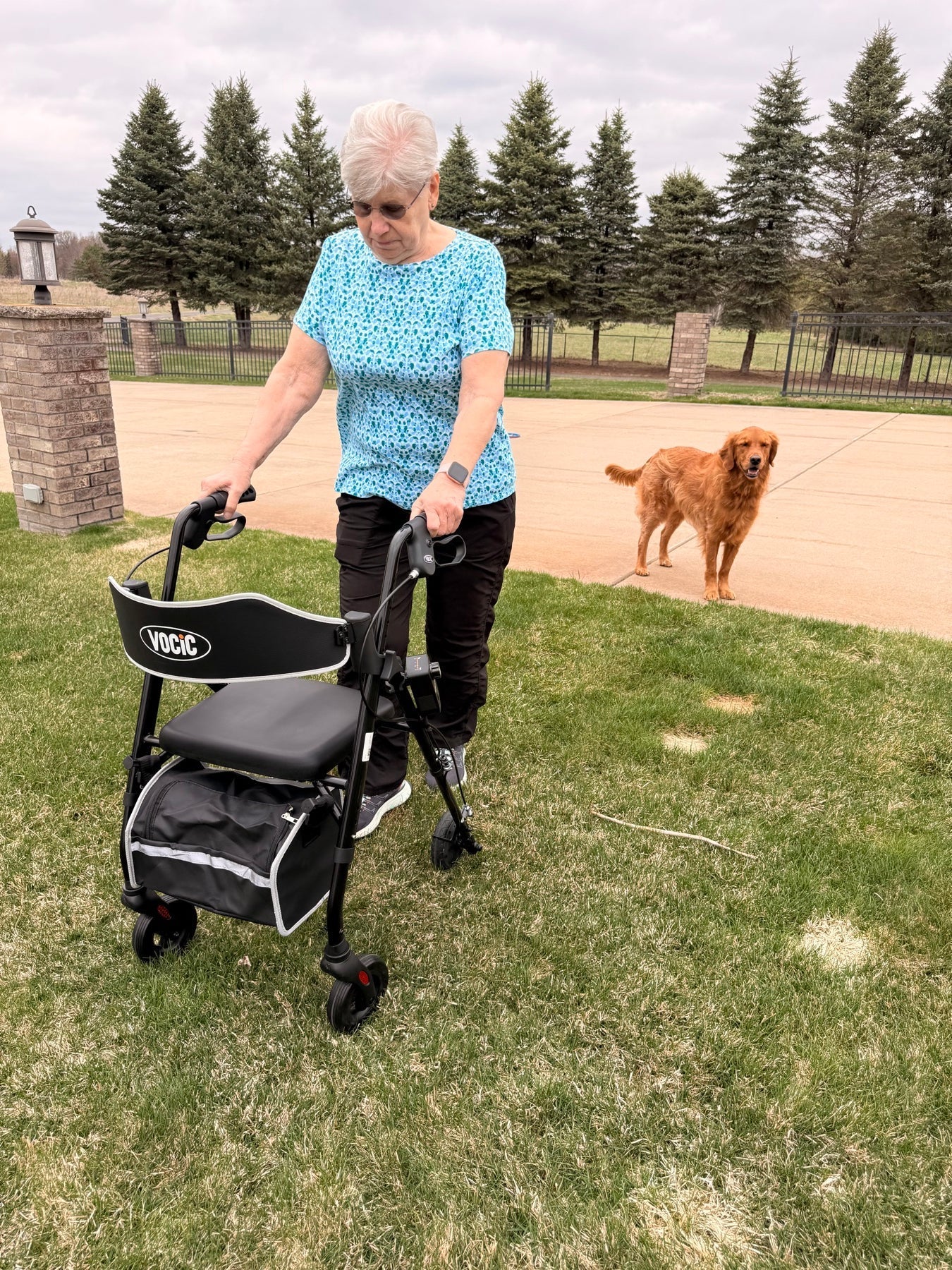
Walkers for Mobility and Fall Prevention
Mobility challenges are common among individuals with Alzheimer's disease. A properly fitted walker can provide additional support, improve stability, and reduce fall risk during functional mobility.
When recommending a walker, occupational therapists consider the individual's cognitive abilities, safety awareness, and ability to consistently use the device. VOCIC's walkers are designed to provide reliable support while encouraging continued mobility throughout the home and community. Maintaining mobility can help individuals remain engaged in daily routines and social activities, both of which are important for overall well-being.

Lift Chairs for Safer Transfers
Sit-to-stand transitions often become more difficult as strength, balance, and motor planning abilities decline. Difficulty standing from a chair can increase fall risk and contribute to dependence on caregivers.
Lift chairs can provide a safe solution by assisting individuals from a seated to standing position. VOCIC lift chairs help reduce the physical demands associated with transfers while promoting greater independence during daily routines. For caregivers, lift chairs can also decrease the physical strain associated with providing assistance.

Sit-to-Stand Transfer Devices
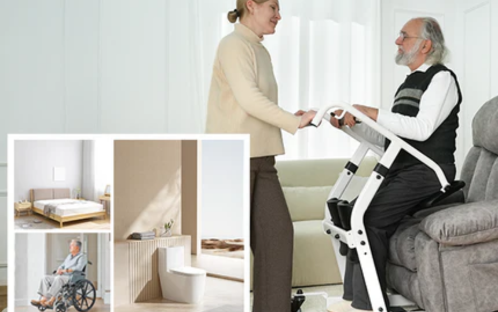
For individuals who require a higher level of support, sit-to-stand transfer devices can be valuable tools for maintaining safety during transfers. These devices allow caregivers to assist with transfers while encouraging the individual to participate in the movement process.
From an occupational therapy perspective, preserving opportunities for active participation is essential. Sit-to-stand transfer devices can help facilitate safer transfers while supporting functional strength and engagement.

Wheelchairs for Energy Conservation and Community Participation
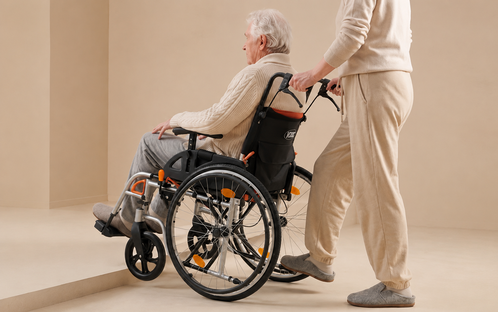
While maintaining mobility is always a goal, there may be situations where a wheelchair becomes appropriate for longer distances or periods of increased fatigue.
Wheelchairs can help individuals continue participating in family outings, medical appointments, community activities, and meaningful occupations that may otherwise become inaccessible. VOCIC wheelchairs offer a practical solution for supporting mobility while helping individuals conserve energy and remain engaged in the activities they enjoy.

Promoting Independence Through Occupational Therapy
The right assistive device can make a significant difference in the daily lives of individuals living with Alzheimer's disease. However, successful implementation requires more than simply providing equipment. Occupational therapists play a critical role in assessing individual needs, training patients and caregivers, and ensuring that devices are integrated into daily routines safely and effectively.
At its core, occupational therapy is about helping people participate in the activities that matter most to them. Whether through walkers, lift chairs, sit-to-stand transfer devices, or wheelchairs, assistive technology can support safety, mobility, and independence while enhancing quality of life for both individuals with Alzheimer's disease and their caregivers.
By combining thoughtful occupational therapy interventions with supportive assistive devices such as those offered by VOCIC, we can help individuals continue living with greater confidence, dignity, and engagement throughout their journey with Alzheimer's disease.
Share:
Why the U32 Wheelchair Is a Game-Changer for Clients and Caregivers: An Occupational Therapist’s Perspective
How a Portable Transfer Wheelchair Can Improve Independence and Caregiver Confidence: An Occupational Therapist’s Perspective