

Travel can stay enjoyable well into later life, but the way you plan a trip may need to change. A cheap flight with two connections, a hotel several miles from the main attractions, or a full day of sightseeing can create more strain than expected.
The most useful travel tips for senior citizens focus on reducing unnecessary effort while keeping the experiences that make a trip worthwhile. A few choices about flights, hotels, medications, daily pace, and mobility can make the difference between an exhausting vacation and one you actually enjoy.
What Travel Tips Should Senior Citizens Know Before a Trip?
Good preparation starts before you pack. Review the trip as a whole and look for anything that could become difficult once you are away from familiar routines.
Before leaving, consider:
- Check passport, ID, tickets, and reservation details.
- Review medications and bring enough for the trip and possible delays.
- Confirm what your health insurance covers at the destination.
- Share your itinerary and emergency contacts with someone you trust.
- Check the weather and any destination-specific health concerns.
- Leave enough time between flights, trains, tours, and reservations.
- Review whether mobility aids, airport assistance, or extra rest time may be needed for longer travel days.
- Keep a backup plan for delays or low-energy days.
For international travel, medication rules can vary by country. Keep prescription information available and check destination requirements before packing medicines that may be restricted.
A health plan matters too. If you have ongoing medical conditions or have experienced a recent change in health, discuss the trip with your healthcare provider before departure rather than waiting until a problem develops away from home.
How Can Seniors Plan a Trip That Is Easier on the Body?
A comfortable trip does not have to mean staying close to home. Often, the biggest improvement comes from removing unnecessary walking, transfers, waiting, and rushed schedules.
Choose Direct Routes When Possible
A direct flight may cost more than one with several connections, but price is only part of the calculation. Changing terminals, carrying luggage, waiting for another flight, and worrying about a short connection can turn a travel day into the most tiring part of the vacation.
The same applies to road and rail travel. Fewer transfers usually mean fewer bags to move and fewer chances to rush.
Stay Close to Main Activities
Hotel location affects how much energy you spend every day.
For seniors comparing the best vacations for seniors with limited mobility, a room within a short ride or walk of restaurants, museums, waterfront areas, or other planned activities may be worth paying more for. A cheaper hotel outside the center can lead to extra transportation, longer walks from stations, and more time spent getting back to the room when you need a break.
Check the route, not just the mileage. A half-mile walk with hills, stairs, or uneven pavement can feel very different from the same distance on a flat path.
Schedule Fewer Activities Each Day
Three attractions may fit neatly into an itinerary. That does not mean you need to visit all three.
Choose one main activity for the day and leave other stops flexible. For families traveling with elderly parents, a museum in the morning, an unhurried lunch, and a scenic evening can still make a full day without turning sightseeing into a checklist.
Shorter schedules also leave room for lines, transportation delays, bathroom breaks, and spontaneous stops.
Travel During Cooler or Less Crowded Times
Heat and crowds can make walking and waiting more tiring. When possible, visit popular attractions earlier in the morning, travel during shoulder seasons, or schedule outdoor activities outside the hottest part of the day.
Crowds also matter indoors. Moving through a packed station or museum requires more attention and often more standing than visiting during quieter hours.
Leave Time for Rest and Recovery
Do not treat every free hour as an empty space that needs another activity.
After a long flight or drive, keep the first evening light. On longer vacations, leave a slower morning or free afternoon between demanding days. Rest built into the itinerary works much better than waiting until you are already exhausted.
How Can Senior Travelers Make Flights and Long Travel Days Easier?
Airports can involve long walks before you even reach the gate. Add security lines, luggage, connections, and boarding, and the travel day may use more energy than expected.

Allow Extra Airport Time
Arriving early reduces the need to rush through check-in or security. Extra time is especially helpful when you need assistance, have medication or medical equipment, or simply prefer to move at a comfortable pace.
For connections, consider more than the airline's minimum connection time. A technically possible 40-minute transfer may still be uncomfortable if the next gate is across a large terminal.
Choose Seats for Comfort and Movement
Think about what matters during the flight. An aisle seat can make it easier to stand, reach the restroom, or stretch your legs without asking another passenger to move.
For longer flights, avoid staying in one position for hours when you can safely move. Follow any personal medical advice you have received about movement, circulation, or compression garments.
Keep Essentials in Your Carry-On
Anything you would struggle without for a day should stay with you rather than in checked luggage.
That may include:
- Prescription medication
- Glasses or hearing supplies
- Phone and charger
- Travel documents
- A light layer of clothing
- Basic toiletries
- Small snacks
Keeping medication with you also protects against problems if checked luggage arrives late.
Use Mobility Assistance When Needed
Being able to walk independently at home does not mean you need to walk the full length of a large airport, cruise terminal, museum, or sightseeing district.
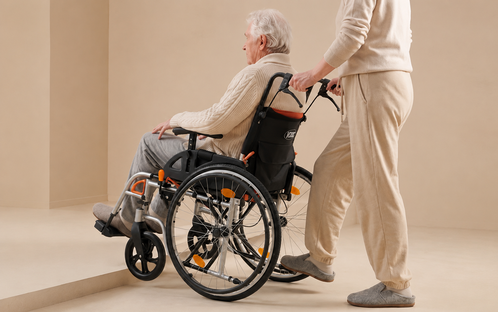
Airport wheelchair assistance can reduce unnecessary walking on difficult travel days. Seniors who still walk independently but need more stability or regular rest breaks may prefer to bring their usual walking aid, such as rollator walkers designed for support and seated pauses.
For this type of traveler, a compact rollator can be useful without taking over the entire trip. The VOCIC Z35 PackGo weighs 12.6 lbs and folds into a compact form, making it easier to lift into a car or store in a hotel room than a bulky rollator. Its built-in seat also provides a place to pause during longer walks or waiting periods.
Choose mobility support according to what you can safely control. A rollator is meant to support walking and seated rest; it should not be used as a transport chair unless the specific model is designed for that purpose.
How Can Seniors Stay Healthy and Comfortable While Traveling?
Travel changes your normal eating, sleeping, medication, and activity routines. Small adjustments can help you avoid using all your energy early in the trip.
Keep Medications Easy to Access
Carry medications in an easy-to-reach bag and keep an updated list of names, doses, and schedules.
Time-zone changes can complicate medication timing. If you take medicines on a strict schedule, ask your healthcare provider or pharmacist how to adjust before the trip.
Stay Hydrated and Eat Regularly
Busy sightseeing days make it easy to skip water or delay meals. Carry water when appropriate and plan regular meal or snack breaks instead of waiting until you feel drained.
Long travel days are usually easier when you eat normally rather than relying on one large meal late in the day.
Manage Heat, Jet Lag, and Fatigue
Give yourself time to adjust after crossing several time zones. Avoid scheduling your most demanding tour immediately after an overnight flight.
Weather deserves the same flexibility. On a hotter-than-expected day, move an outdoor activity to the morning or replace it with something indoors.
Wear Supportive Shoes
Travel often involves more walking and standing than daily life. Comfortable, supportive shoes with good traction can be more useful than bringing several pairs for different outfits.
Wear shoes you already know rather than testing a new pair during a week of sightseeing.
Know When to Slow Down
Fatigue is information, not an itinerary failure.
If a walk is taking more effort than expected, find somewhere to sit. If yesterday was unusually demanding, make today shorter. Adjusting early can help you enjoy the rest of the trip rather than spending the next day recovering.

How Can Senior Citizens Save Money and Avoid Travel Problems?
Traveling comfortably does not mean choosing the most expensive option. Spend money where convenience genuinely reduces effort, then look for savings that do not make the trip harder.
Look for Senior Discounts
Museums, public transportation systems, attractions, hotels, and other services may offer senior pricing, although the qualifying age varies.
Check official websites before booking. Some discounts require identification or enrollment in a membership program.
Compare Convenience, Not Just Price
A $40 flight saving loses some appeal if it requires an extra connection, an early-morning taxi, and several hours of additional travel.
The same applies to hotels. Include airport transfers, local transportation, luggage handling, and daily travel time when comparing the real cost of two options.
Protect Cards, Cash, and Documents
Carry only the cards and cash you expect to need each day. Keep backup payment methods and document copies separately rather than storing everything in one wallet.
Avoid displaying large amounts of cash or leaving passports and valuables unsecured in a hotel room.
Watch for Tourist and Financial Scams
Unexpected calls, messages, payment requests, or urgent claims involving family members should be treated carefully. Never send money or provide sensitive financial information simply because someone creates a sense of urgency.
Public Wi-Fi also deserves caution when accessing banking or other sensitive accounts.
Prepare for Medical or Travel Emergencies
Insurance deserves extra attention for international trips. U.S. Medicare and Medicaid generally do not cover medical costs abroad, so check your existing coverage before leaving the country and consider whether travel medical or evacuation coverage fits your destination and health needs.
Keep emergency contacts and insurance information somewhere accessible. Knowing where you would seek medical help can also reduce stress if something happens.
Conclusion
The best travel tips for senior citizens are less about doing fewer things and more about removing unnecessary difficulty. Direct transportation, a convenient hotel, a flexible itinerary, accessible medication, and enough time to rest can preserve energy for the parts of the trip you actually came to enjoy.
Travel at the pace that works for you now. A simpler schedule often leaves more room for good meals, unexpected discoveries, and the kind of experiences that make a vacation memorable.
FAQ
What Is the Best Type of Travel for Senior Citizens?
There is no single best trip for every senior. Cruises, scenic road trips, resorts, guided tours, and city vacations can all work well when transportation, walking demands, climate, and daily pace match the traveler's health and interests.
What Age Is Considered a Senior for Travel Discounts?
There is no universal age. Travel providers may set senior eligibility at 60, 62, 65, or another age, while some discounts depend on membership rather than age alone. Check the provider's current policy before booking.
Can Seniors Request Wheelchair Assistance at the Airport?
Yes. Travelers who have difficulty covering long airport distances can request wheelchair assistance even if they normally walk without a wheelchair. Contact the airline in advance and explain what assistance you need.
Should Senior Citizens Buy Travel Insurance?
It depends on the destination, trip cost, existing insurance, and personal health needs. International travelers should pay particular attention to medical coverage and emergency evacuation because their regular U.S. health coverage may not fully apply abroad.
What Should Seniors Keep in Their Carry-On Bag?
Keep medications, travel documents, essential medical information, glasses or hearing supplies, a phone charger, basic toiletries, and anything else you would need if checked luggage were delayed.


Share:
Traveling With a Disability: How to Plan a Safe and Accessible Trip
How to Lift a Heavy Person Off the Floor Alone: Safer Methods and Equipment