
Many older adults prefer to live independently, but independence only works when daily safety, health, and judgment remain stable. The challenge is that decline often happens gradually. What looks like small changes at first can quickly turn into real risks.
Families should focus less on single incidents and more on patterns. When multiple warning signs appear across physical health, behavior, and home environment, it may be time to reassess whether living alone is still safe.
Physical Signs to Watch For
Physical decline is usually the most visible and often the earliest indicator. These signs directly affect safety and daily functioning.
Frequent Falls or Difficulty Walking
Frequent stumbling, slow walking, or needing support from walls and furniture suggests reduced balance and muscle strength. Even if no serious injury has occurred yet, the risk is already high.
A key detail to watch is near-falls. Many older adults won’t report them, but they often happen before actual falls. In many cases, introducing simple mobility aids early can help improve stability and reduce the risk of future falls.
Unexplained Weight Loss or Poor Nutrition
Weight loss without a clear reason often signals difficulty preparing meals or loss of appetite due to isolation or cognitive changes.
Look for practical signs:
- Empty or poorly stocked fridge
- Expired food not thrown away
- Reliance on snacks instead of proper meals
Difficulty Managing Medication
Medication routines require memory, organization, and consistency. Missing doses or taking the wrong pills can quickly lead to health complications.
Common signs include:
- Pill bottles scattered or misplaced
- Confusion about dosage
- Running out of medication too early or too late
Poor Personal Hygiene or Self-Care
Decline in hygiene often reflects deeper issues, such as fatigue, depression, or reduced mobility.
This may include:
- Wearing the same clothes repeatedly
- Skipping bathing or grooming
- Neglecting dental or medical care
When basic self-care becomes inconsistent, independent living is already under pressure.
Cognitive and Behavioral Signs to Watch For
Cognitive decline does not always appear dramatically. Subtle changes in thinking, memory, and behavior often create the greatest safety risks.
Memory Loss Affecting Daily Life
Occasional forgetfulness is normal. However, forgetting essential daily tasks is not.
Examples include:
- Forgetting to eat or drink
- Missing medications repeatedly
- Leaving doors unlocked
Confusion About Time, Places, or Tasks
Disorientation can lead to dangerous situations, especially outside the home.
Watch for:
- Getting lost in familiar areas
- Confusion about time of day
- Difficulty following simple routines
Poor Judgment or Risky Decisions
This is one of the most critical warning signs.
Examples:
- Leaving the stove on
- Letting strangers into the home
- Making unusual financial decisions
Mood Changes, Anxiety, or Social Withdrawal
Behavioral changes often signal both emotional and cognitive decline.
Look for:
- Increased irritability or suspicion
- Loss of interest in activities
- Avoiding social contact
Judgment decline often poses a greater immediate risk than memory loss because it directly affects safety decisions.

Home Environment Signs to Watch For
The condition of the home provides objective evidence of how well someone is managing daily life. It often reveals issues that may not be openly discussed.
Unpaid Bills or Financial Confusion
Missed payments or unopened mail may indicate memory issues or difficulty handling finances.
Spoiled Food or Unsafe Kitchen Habits
The kitchen is one of the highest-risk areas.
Warning signs include:
- Burnt pots or pans
- Food left out too long
- Expired items not discarded
A Messy or Neglected Living Space
A cluttered or dirty environment may signal reduced physical ability or motivation.
Difficulty Keeping Up With Household Tasks
Laundry, cleaning, and basic maintenance may become irregular or stop altogether.
|
Area |
Warning Signs |
What It Suggests |
|
Finances |
Unpaid bills, confusion |
Cognitive decline |
|
Kitchen |
Burnt food, spoilage |
Safety risk |
|
Living space |
Clutter, dirt |
Physical or mental decline |
|
Daily tasks |
Incomplete chores |
Reduced independence |
Changes in the home environment often confirm what physical and cognitive signs suggest.
When Is It No Longer Safe for an Elderly Person to Live Alone?
Recognizing signs is important, but knowing when to act is critical. Safety becomes the priority once risks are no longer occasional.
When Safety Incidents Start Happening Frequently
Repeated falls, kitchen accidents, or wandering indicate a pattern, not isolated events.
When Daily Tasks Require Regular Assistance
If help is needed consistently for eating, dressing, or mobility, independence is already limited.
When Health Conditions Require Ongoing Supervision
Conditions such as dementia, severe mobility issues, or chronic illness often require monitoring.
Living alone is no longer safe when daily life depends on constant support rather than occasional help.
What Families Can Do if an Elderly Parent Should Not Live Alone
Once the risks are clear, the focus shifts from whether to act to how to act. Many families start by asking what to do when the elderly keep falling, especially when incidents become more frequent or harder to recover from. The goal is not to remove independence overnight, but to reduce risk while keeping daily life as familiar as possible.
In-Home Care or Daily Assistance
For older adults who strongly prefer to stay at home, in-home care is often the most practical starting point. The key is to support specific weak points in the daily routine instead of taking over everything.
In real life, this often looks like:
- A caregiver helping prepare meals to ensure regular nutrition
- Assistance with bathing or getting dressed to prevent slips
- Scheduled medication support to avoid missed or double doses
- Short daily visits to check safety and provide social interaction
Many families begin with just a few visits per week, then increase frequency as needs grow.
If the person is mostly safe but struggles at certain times of day, targeted in-home support is usually enough at the early stage.
Assisted Living Communities
When daily risks become consistent rather than occasional, a structured environment may be the safer option.
Assisted living is not just about supervision. It provides predictability and built-in support:
- Meals are provided on a regular schedule
- Staff can notice subtle health or behavior changes
- Social interaction reduces isolation and cognitive decline
- Help is available quickly in case of emergencies
Typical situations where this becomes necessary:
- Repeated falls or increasing mobility issues
- Difficulty managing multiple daily tasks independently
Signs of cognitive decline affecting safety
Transitioning before a major incident often leads to better adjustment than waiting until after a crisis.
Monitoring Technology and Safety Devices
For those not yet ready to leave home, technology can act as a safety layer without disrupting independence.
Common setups include:
- Emergency alert systems for immediate assistance
- Motion sensors to detect unusual inactivity or nighttime movement
- Medication reminders to maintain consistency
These tools are especially useful when:
- Family members live far away
- The person spends long hours alone
- Risks are present but not yet severe
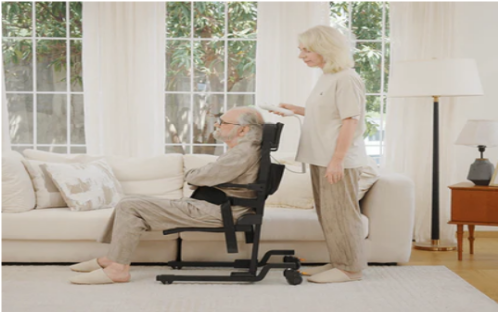
Mobility support is equally important. Many incidents happen not because someone cannot walk, but because transfers and short movements become unstable.
For some individuals, supportive equipment such as a lift chair can help make sitting and standing safer and more controlled, especially when leg strength is reduced.
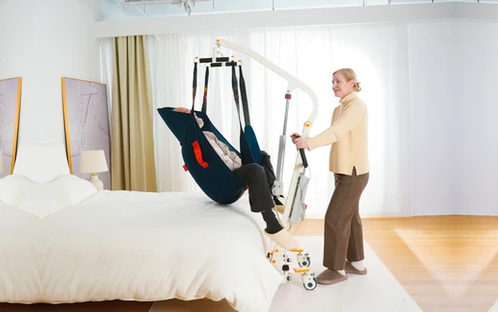
In these situations, equipment like the VOCIC AX35 Movable Electric Transfer Chair Lift can make a meaningful difference. It is designed to assist with safe transfers between bed, chair, or bathroom, while allowing caregivers to move the user smoothly with minimal physical strain. For individuals who are no longer fully stable on their feet but not completely immobile, this type of support can reduce fall risk and make daily routines safer.
The highest risk often occurs during transitions, not long-distance movement.

Creating a Gradual Transition Plan
The biggest resistance usually comes from sudden change. A gradual transition allows both the individual and the family to adjust over time.
A more effective path often looks like:
- Introduce light support, such as occasional caregiver visits
- Add safety tools or mobility assistance
- Increase care frequency based on observed needs
- Explore short-term stays before making permanent decisions
Real-world examples include:
- Trying part-time care before moving to full-time support
- Staying temporarily in an assisted living setting to test comfort
- Letting the parent participate in choosing care options
People accept change more easily when it feels like a progression, not a loss of control.
The best solution is rarely immediate or absolute. It is a gradual shift that balances safety, independence, and emotional acceptance.
How to Talk to an Aging Parent About Living Arrangements
Even when the need is clear, these conversations are rarely easy. The outcome often depends less on what you say and more on how you say it.
Starting the Conversation With Empathy
Begin with specific observations rather than assumptions. For example, mention a recent fall or missed medication instead of saying “you can’t live alone anymore.”This keeps the conversation grounded in care and concern, rather than control.
Addressing Concerns About Independence
Many older adults worry that accepting help means losing autonomy. Reframe the conversation by explaining that support is meant to make daily life easier and safer, not to take decisions away. Small adjustments can actually help them stay independent longer.
Involving Healthcare Professionals
A doctor or therapist can provide an objective perspective that feels less personal. Hearing the same concerns from a professional often makes the situation clearer and more acceptable.
Planning the Next Steps Together
Avoid presenting a fixed decision. Instead, explore options together and ask for their preferences. When people feel involved in the process, they are more likely to accept change and cooperate with the next steps.
Conclusion
Families should assess three key areas: physical condition, cognitive and behavioral changes, and the ability to manage daily life at home. Signs such as frequent falls, poor nutrition, memory issues, confusion, unsafe habits, or a neglected living environment indicate declining independence.
If these issues appear across multiple areas or happen repeatedly, living alone is no longer safe. When safety, routine, and judgment cannot be maintained consistently, independent living should be reconsidered.
FAQ
What risks do seniors face when living alone?
The main risks include falls, medication mistakes, poor nutrition, and delayed emergency response. Social isolation can also affect mental and emotional health.
Can seniors with mild dementia live alone safely?
Some may manage in early stages with structured support, but regular monitoring and future planning are essential as the condition progresses.
Can elderly people live alone safely with support?
Yes. With in-home care, safety devices, and mobility aids, many older adults can safely remain at home longer.
How often should families check on an elderly parent who lives alone?
Low-risk individuals may need weekly visits, while higher-risk situations often require daily check-ins or monitoring systems.

Share:
Best Bathtub Lift for Seniors in 2026: Top Picks and Buying Guide
VOCIC Newest Launched PackGo Z35: A Rollator That Transforms for Travel