
Balance problems in seniors may appear as dizziness, slower or wider steps, trouble turning, or a growing fear of falling. These changes deserve attention because they can affect independence and increase fall risk. Medical review, strength and balance training, safer daily habits, home changes, and suitable walking support can all help reduce that risk.
What Do Balance Problems Look Like in Seniors?
Balance changes do not always begin with a fall. They may first show up during standing, walking, turning, or routine activities around the home.
Dizziness or Vertigo
Dizziness may feel like lightheadedness, floating, or weakness, while vertigo can create a spinning or moving sensation. Symptoms may appear when standing up, turning the head, or changing position.
Unsteady Walking
A senior may take shorter steps, walk with the feet farther apart, reach for furniture, or drift to one side. Uneven ground and crowded spaces may become harder to manage.
Trouble Standing or Turning
Balance problems often become clearer when getting up from a chair, turning around, stepping backward, or changing direction quickly. The person may need several small steps to complete a turn.
Near-Falls and Fear of Falling
Stumbling, catching a foot, or needing someone to grab an arm counts as a warning sign even when no fall occurs. Fear may then cause the senior to walk less, which can lead to further weakness.
Changes in Daily Activities
A senior may stop bathing alone, avoid stairs, stay close to walls, or give up outdoor walks and shopping trips. These changes can signal that balance problems are already affecting daily life.
What Causes Balance Problems in Seniors?
Balance depends on muscles, joints, vision, nerves, the inner ear, blood pressure, and the brain working together. Problems in one or more of these areas can make walking less steady.
Muscle Weakness and Joint Changes
Weak leg and core muscles make it harder to recover after a small stumble. Arthritis, joint pain, stiffness, and reduced ankle movement can also change the way a person stands and walks.
Inner Ear Problems
The inner ear helps the brain understand head position and movement. Conditions such as benign positional vertigo or other vestibular problems may cause spinning, dizziness, nausea, or instability during head movements.
Vision and Nerve Changes
Poor depth perception, cataracts, reduced night vision, and outdated glasses can make steps and obstacles harder to judge. Nerve problems in the feet may reduce sensation and make it difficult to feel the ground clearly.
Medications and Blood Pressure
Some prescription and over-the-counter medicines can cause sleepiness, dizziness, blurred vision, or slower reactions. A sudden drop in blood pressure when standing can also create lightheadedness or weakness.
Neurological and Chronic Conditions
Stroke, Parkinson’s disease, neuropathy, diabetes, heart conditions, and other long-term health problems may affect strength, coordination, sensation, or endurance. More than one condition may contribute at the same time.

When Should a Senior See a Doctor for Balance Problems?
Repeated or unexplained balance problems should be discussed with a healthcare professional. Early assessment can help identify treatable causes before a serious fall occurs.
Sudden or Severe Symptoms
Seek urgent medical care for sudden severe dizziness or loss of balance accompanied by weakness, numbness, facial drooping, trouble speaking, chest pain, fainting, breathing difficulty, a severe headache, double vision, or repeated vomiting.
Repeated Falls or Near-Falls
A fall, repeated stumbling, or several near-falls deserves medical attention, even when no injury occurs. These events may point to weakness, medication effects, vision changes, blood pressure problems, or a condition affecting the nervous system.
Symptoms After a Medication Change
Contact the prescribing clinician if dizziness or unsteadiness starts after a new medicine or dose change. Do not stop prescription medicine without medical guidance.
Medical History and Medication Review
A clinician may ask when symptoms began, what triggers them, how long they last, and whether they occur with standing, turning, or walking. Bring a complete list of prescriptions, supplements, and over-the-counter products.
Walking, Vision, and Balance Tests
An assessment may include blood pressure checks, vision and hearing review, strength testing, walking observation, neurological checks, or inner ear evaluation. The results help guide treatment and fall-prevention planning.
How Can Seniors Improve Balance and Reduce Fall Risk?
The best approach to preventing falls in the elderly usually combines physical improvement, medical review, safer habits, and changes to the home environment.
Strength and Balance Exercises
Exercises that build leg strength, improve standing control, and practice safe weight shifting can reduce fall risk. Walking, chair rises, heel raises, tai chi, and structured balance exercises may help, but the starting level should match the person’s ability.
Physical Therapy Support
A physical therapist can assess gait, strength, turning, and transfers, then create an exercise plan around specific weaknesses. Therapy can also teach safer ways to stand, use stairs, and recover balance.
Medication and Vision Reviews
Regular medication and eye checks can uncover avoidable risk factors. Report dizziness, drowsiness, blurry vision, or weakness rather than accepting them as unavoidable aging changes.
Safer Shoes and Walking Habits
Choose supportive, well-fitting shoes with non-slip soles. Stand up slowly, pause before walking, keep both hands free when possible, and avoid rushing toward phones, doors, or bathrooms.
Clear Paths, Better Lighting, and Bathroom Support
Remove loose rugs, cords, and clutter from walking paths. Improve lighting near stairs and hallways, add grab bars where needed, and keep frequently used items within easy reach.
When Should Seniors Consider Extra Walking Support?
A mobility aid may help when balance problems begin limiting safe movement, but the device must match the user’s strength, coordination, and level of support needed.

Signs More Support May Be Needed
Consider an assessment if the senior regularly reaches for furniture, struggles on uneven ground, tires quickly, avoids walking alone, or needs another person’s arm for stability. A recent fall or repeated near-falls also signals that more support may be needed, and comparing the best walking aids for balance can help families understand which level of support may fit the situation.
Cane vs Walker vs Rollator
A cane provides light support and may suit a mild problem affecting one side. A standard walker offers more stability for someone who needs greater weight-bearing support. A rollator walker moves more easily and usually includes brakes and a seat, making it useful for people who can walk but need support and rest breaks.
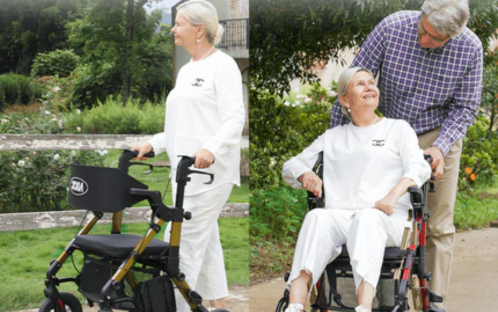
For seniors who can walk part of an outing but may become too tired to continue, the VOCIC Z51 combines a rollator with a caregiver-pushed transport chair mode. The reversible backrest and fold-down footrests allow a companion to take over during longer community or family outings, while the 10-inch front wheels and no-flat tires help on sidewalks and park paths. Its one-hand folding design also makes car storage easier. The transport-chair mode requires a caregiver, and the product should only be considered after confirming that its size, brakes, seat, and 300 lb capacity fit the user’s needs.
Correct Height and Fit
A walking aid should allow relaxed shoulders and a slight bend in the elbows. Handles that sit too high or low can change posture and reduce control. Seat height and frame width also matter for rollators.
Safe Braking and Turning
Rollator users must be able to squeeze and lock the brakes before sitting. They should practice turning slowly, keeping the walker close, and avoiding steep slopes or unstable surfaces.
Professional Advice Before Choosing
A doctor, physical therapist, or occupational therapist can help determine whether a cane, standard walker, rollator, or wheelchair provides the right level of support. This is especially important after a fall, surgery, stroke, or sudden change in balance.
Conclusion
Balance problems in seniors can come from muscle weakness, inner ear changes, vision problems, medications, blood pressure, or chronic health conditions. Sudden symptoms and repeated falls need medical attention, while exercise, physical therapy, safer home setup, and properly fitted walking support can reduce everyday risk. The goal is to address the cause early and help the senior keep moving with greater confidence.
FAQ
Is losing balance a normal part of aging?
Some physical and sensory changes become more common with age, but frequent dizziness, stumbling, or falls should not be dismissed. A medical review can identify treatable causes and ways to reduce risk.
Can dehydration cause balance problems in seniors?
Yes. Dehydration can contribute to weakness, lightheadedness, and drops in blood pressure, particularly when standing. Ongoing or severe symptoms still need medical evaluation.
Is a cane or walker better for poor balance?
A cane may help with mild instability or one-sided weakness. A walker usually provides more support. The safest option depends on balance, strength, hand control, walking pattern, and whether the person needs to bear weight through the device.
Can physical therapy improve balance in older adults?
Physical therapy can improve strength, gait, turning, transfers, and confidence. The therapist can also recommend exercises and mobility aids based on the person’s specific difficulties.
What should you do after a senior has a near-fall?
Help the person sit safely and check for dizziness, pain, weakness, or confusion. Record what happened and discuss repeated near-falls with a healthcare professional. Seek urgent care when symptoms suggest a stroke, heart problem, head injury, or other emergency.
Share:
Best All-Terrain Walkers for Seniors: Outdoor Rollator Picks and Buying Tips
Best Lightweight Walker Wheelchair Combos in 2026