
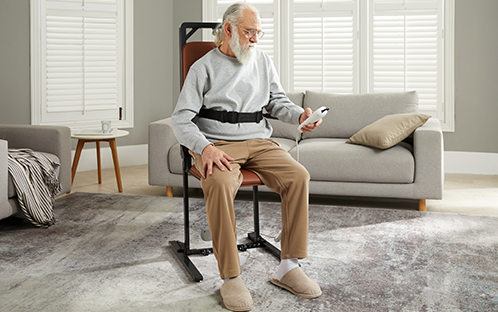
Imagine this: You are a solo caregiver. It’s just you, your loved one, and the quiet hum of an electric Hoyer lift in the background. The question is - can you safely and confidently use it alone and without putting anybody in jeopardy? The short answer is yes, with the right know-how and the right equipment.
Let’s have a more in-depth look at how to use a Hoyer lift solo, safely, and with confidence.
What is a Hoyer lift?
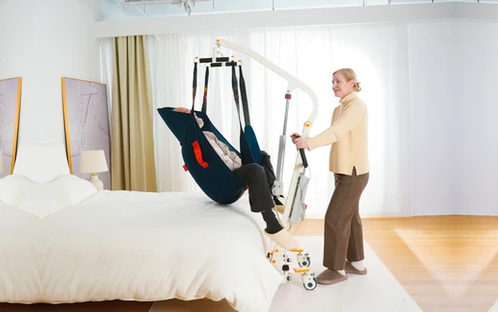
Before we dive into solo operation, let’s clarify the most important thing first: what is a Hoyer lift? It's a mechanical or electric patient lift used to transfer individuals with limited mobility from bed to wheelchair, toilet, vehicle or other places and surfaces. Invented by Ted Hoyer, this lift is now a staple in pretty much all hospitals, nursing homes, and private residences for elderly people.
The electric Hoyer lift takes manual effort out of the equation, replacing pumps and cranks with motorized precision and ease of operation.
Can one person really use it?
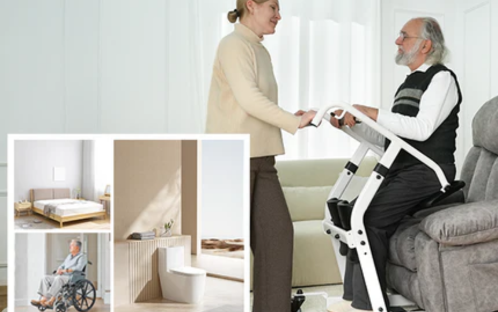
Yes - if you're using the right model, like the AY02 Electric Transfer Hoyer Lift, designed with solo caregivers in mind. This model includes easy-to-use controls, smooth rolling casters, and secure sling attachments, that make operation a breeze.
Still, it’s not just about the machine. It's also about your personal technique, preparation, and safety.
Tips for solo operation of a Hoyer lift
1.Prepare the space before you start. Remove clutter, rugs, or anything that might get in your way.
2.Check the sling. Make sure it's the right size, properly positioned, and securely attached to avoid mishaps.
3.Lock wheels where needed. Some parts should be locked (like the patient’s wheelchair), while others should stay mobile (like the lift’s base).
4.Communicate with the person you are lifting. Even if your loved one is non-verbal, talk them through the process to keep them calm and informed to ease their minds.
5.Move slowly. Precision over speed wins every time, when caring for an elderly.
Using a portable Hoyer lift like the AY06 Electric Folding Transfer Lift makes the job even easier. It folds, travels, and stores easily - ideal for home settings or if you are a mobile caregiver.
Know when to ask for help by others
Even though these lifts are built for ease, don’t hesitate to ask for assistance if:
-The person being transferred is very heavy or agitated
-You're unfamiliar with the lift
-Something doesn’t feel quite safe
Safety first. Always and with no exceptions!
Electric Hoyer Lift – Verdict on solo usage
So, can one person use an electric Hoyer lift? Absolutely. With proper training, a calm setup, and the right model, one caregiver can manage safe and efficient transfers.
Lifts like the AY02 and AY06 are revolutionizing independent caregiving. You don’t need a team - you just need the right tool and some experience with the electric Hoyer lift of choice.
Share:
The best way to lift an elderly person off the floor without hurting them - or yourself
What’s the difference between a Hoyer lift and a floor lift?