
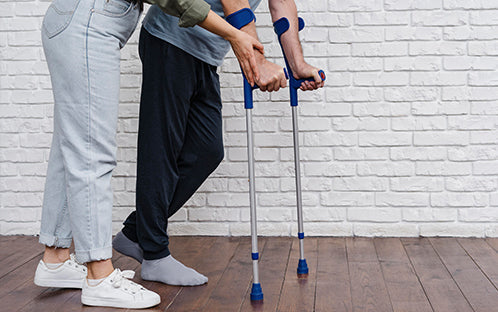
Choosing a walker with seat isn’t just about grabbing the first one you see at the medical supply store. It’s about finding the perfect fit - something that provides not only stability and ease of movement, but also and most importantly, gives you confidence. Whether it's for yourself or a loved one, the right adult walker can make all the difference in maintaining independence. But with so many options, how do you decide? Let’s break it down.
Start with a good look at your mobility needs
First things first- how much support is needed from your mobility walker with seat? If balance is a major issue and lifting the walker isn’t a problem, a standard model with four sturdy legs and rubber tips might be the safest bet. But let’s be honest: constantly picking it up can be exhausting. That’s where two-wheeled or four-wheeled walkers come in. They offer a smoother experience while still keeping stability in check.
For those who need even more freedom to move, rollators for adults with seat (the ones with four wheels and hand brakes) provide an effortless glide. Perfect for someone who wants to walk longer distances but needs to rest in between.
Comfort matters more than you think
A poorly adjusted walker with seats is more of a hindrance than a help. If the height isn’t right, expect back pain, sore wrists, and a generally frustrating experience. The handles should be at wrist level when standing upright, and gripping them should feel natural- not like you're forcing your hands into an uncomfortable position.
Speaking of grip, let’s talk about handles. Foam grips? Soft and easy on the hands. Rubber grips on your mobility walker with seat? Durable but might get uncomfortable after long use. Ergonomic designs in you walkers for seniors with seat? A must-have for those with arthritis or weak hands. Small details like this can make or break an adult walker experience.
Where will my walker for adults be used?
Indoor adult walkers need to be compact enough to navigate through hallways and doorways without turning a simple trip to the kitchen into a strategic mission. If carpets and tight spaces are involved, a lightweight model will be easier to maneuver.
Outdoor walkers with seats? That’s a different story. Think bigger wheels for better stability on sidewalks, grass, and uneven terrain. And if someone’s planning to take it in and out of a car regularly, a foldable, lightweight design will save a lot of hassle.
Brakes, baskets, and other perks
A mobility walker with seat is more than just a mobility aid - it can be a daily companion. Four-wheeled walkers for adults with hand brakes are essential for controlling speed, especially on slopes. Need to carry things while walking? A storage pouch or basket is a game-changer. Built-in seats are fantastic for those who need frequent breaks, and some models even come with padded backrests for extra comfort.
Always test before you buy
Never buy walkers for seniors with seat without testing them first. Walk around, turn corners, apply the brakes - get a feel for how it moves. And if there’s any uncertainty, consulting a physical therapist can help pinpoint the best fit for specific mobility needs.
The right walker for adults isn’t just about function; it’s about reclaiming freedom, staying active, and feeling secure every step of the way. Choose wisely, and walking won’t feel like a chore- it’ll feel like independence.
Share:
How rollator walkers empower seniors to stay active: A Spring necessity
How to choose the right walker for adults